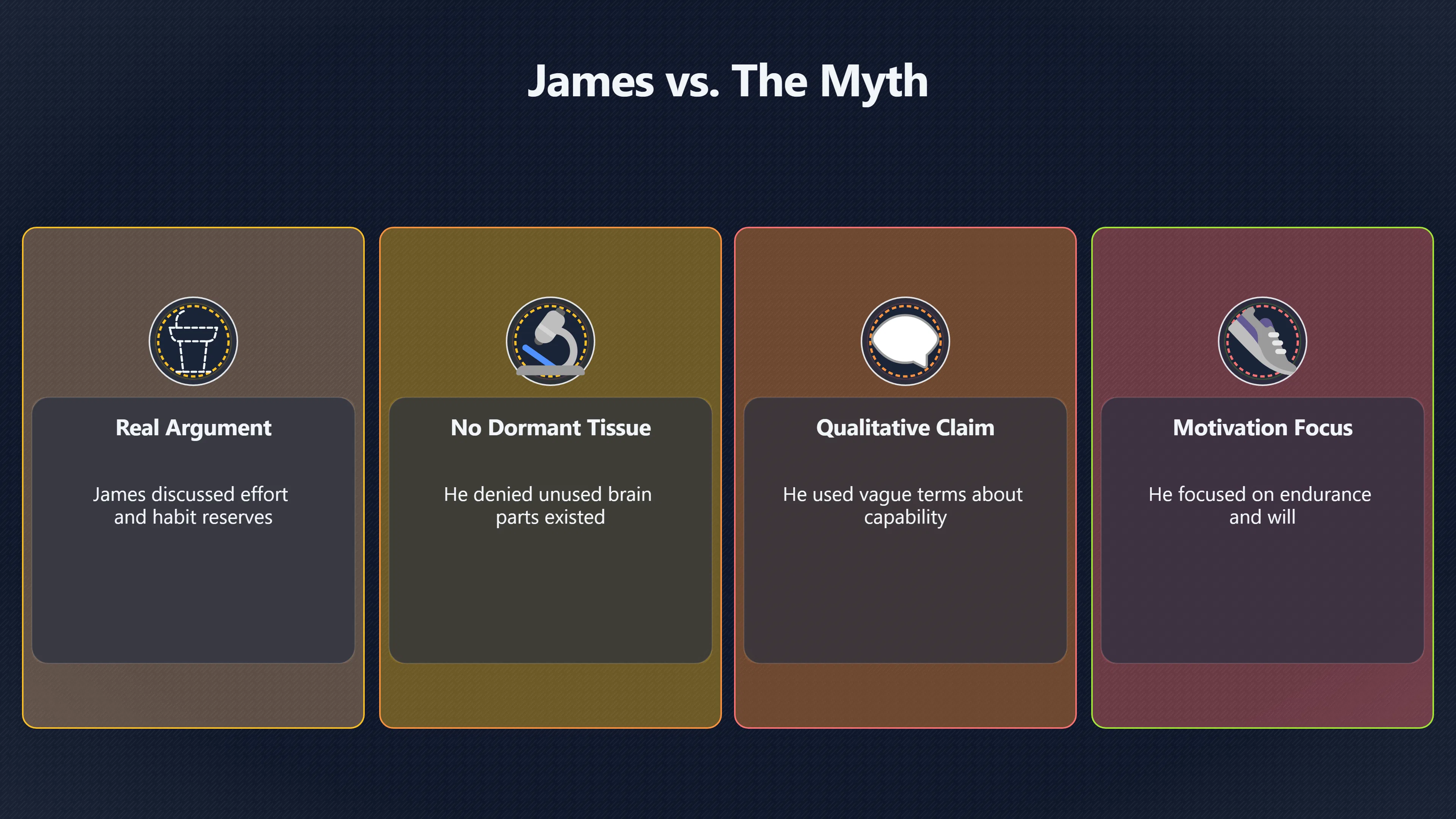
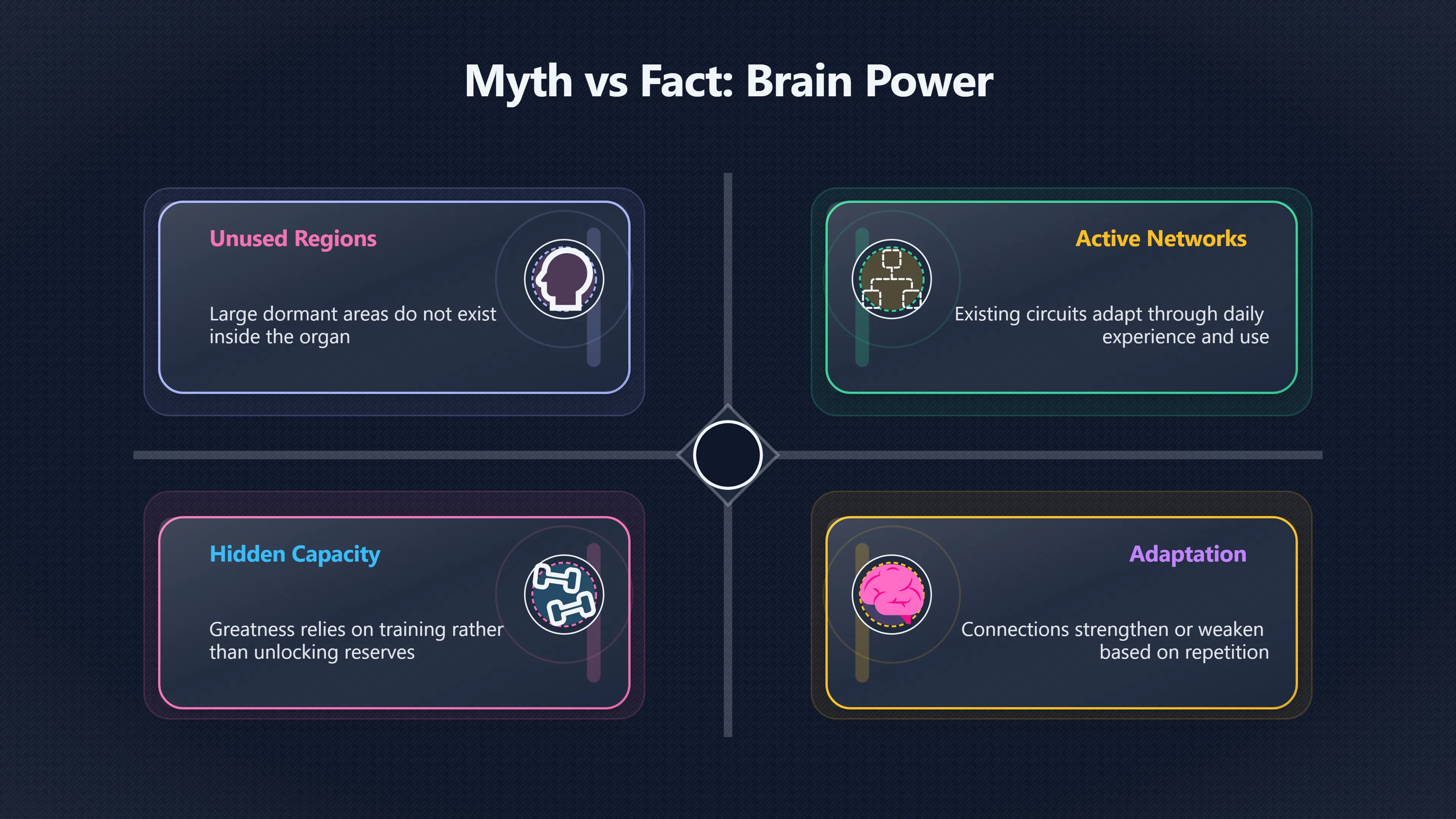
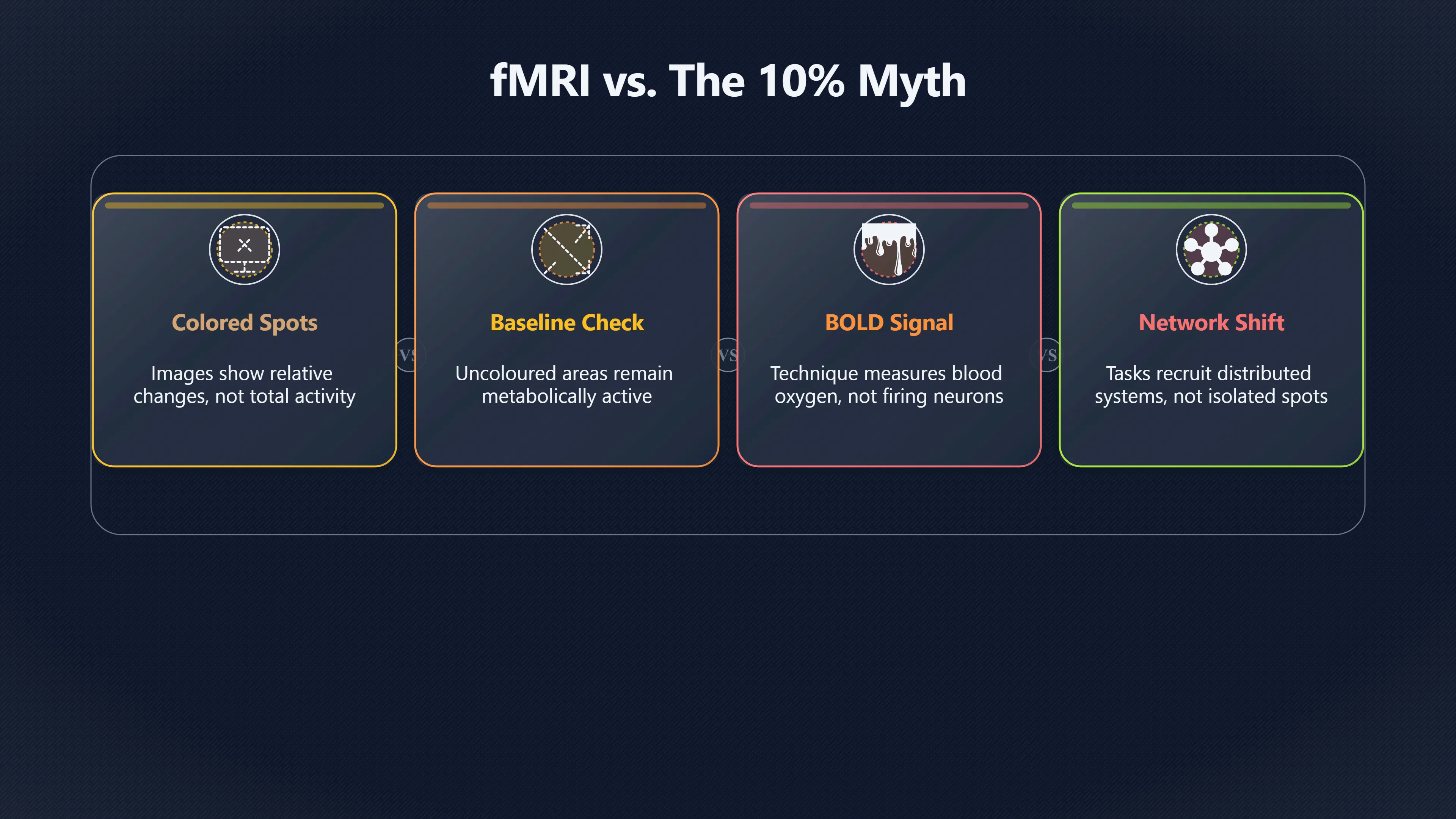
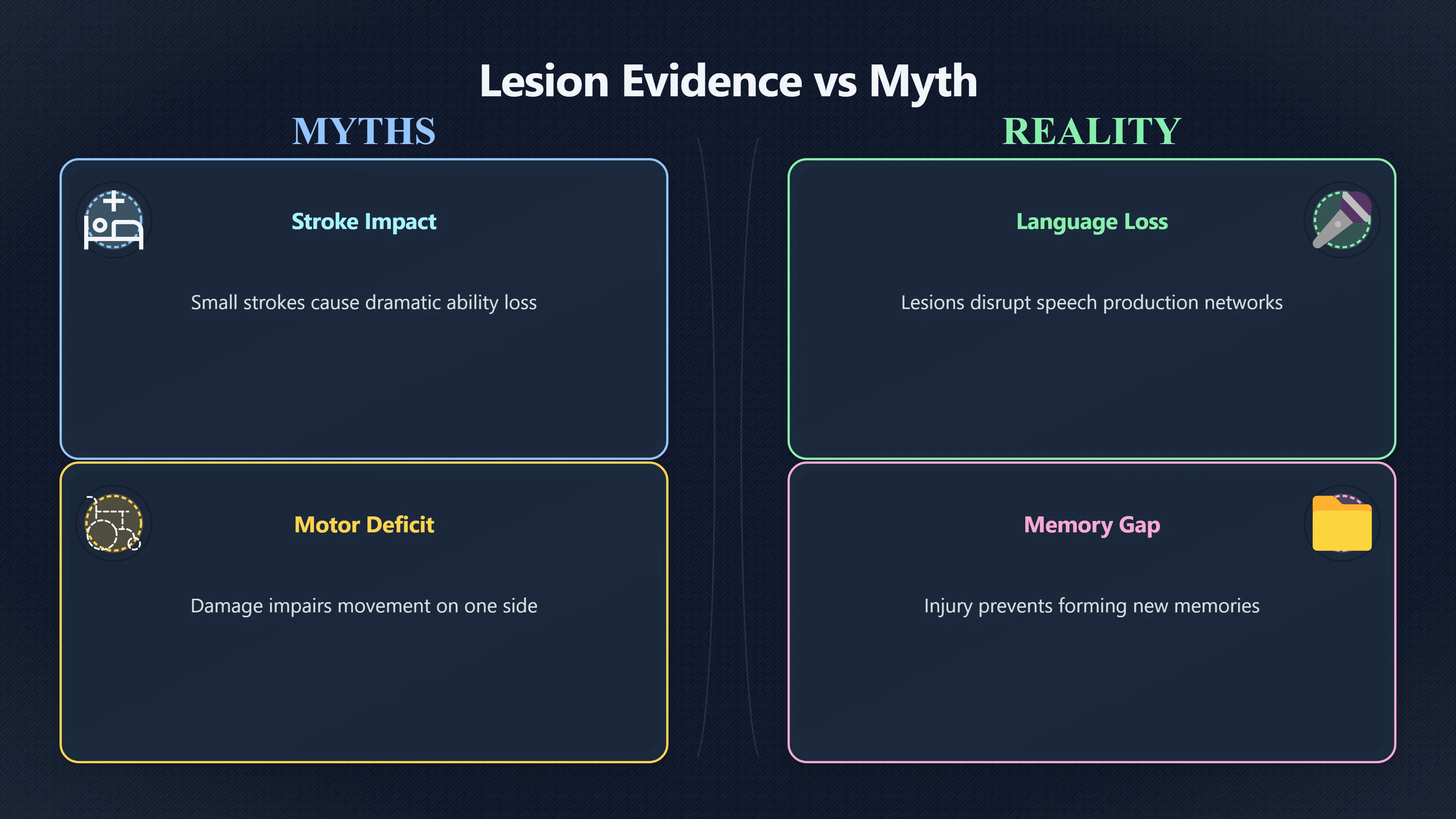
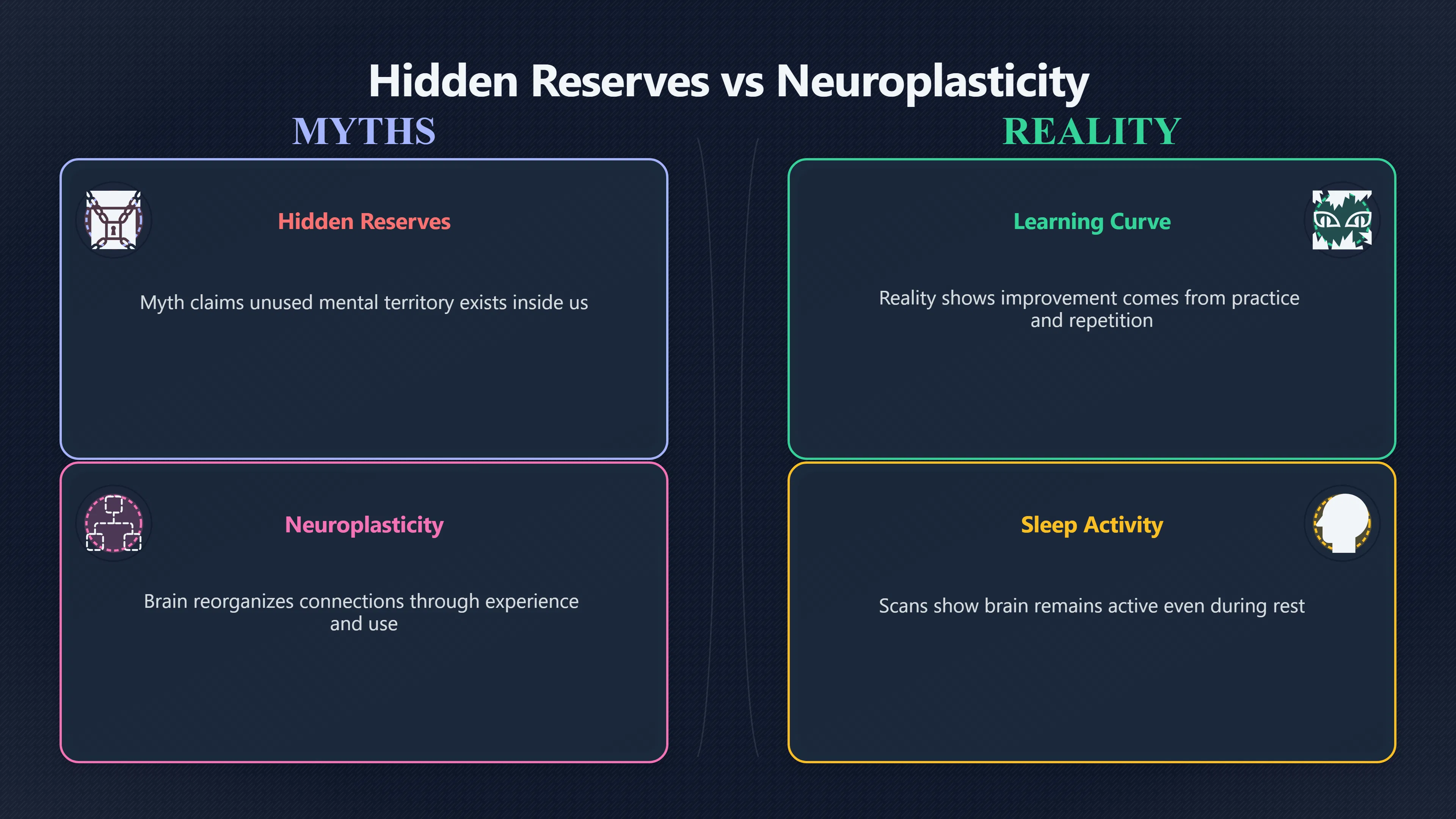
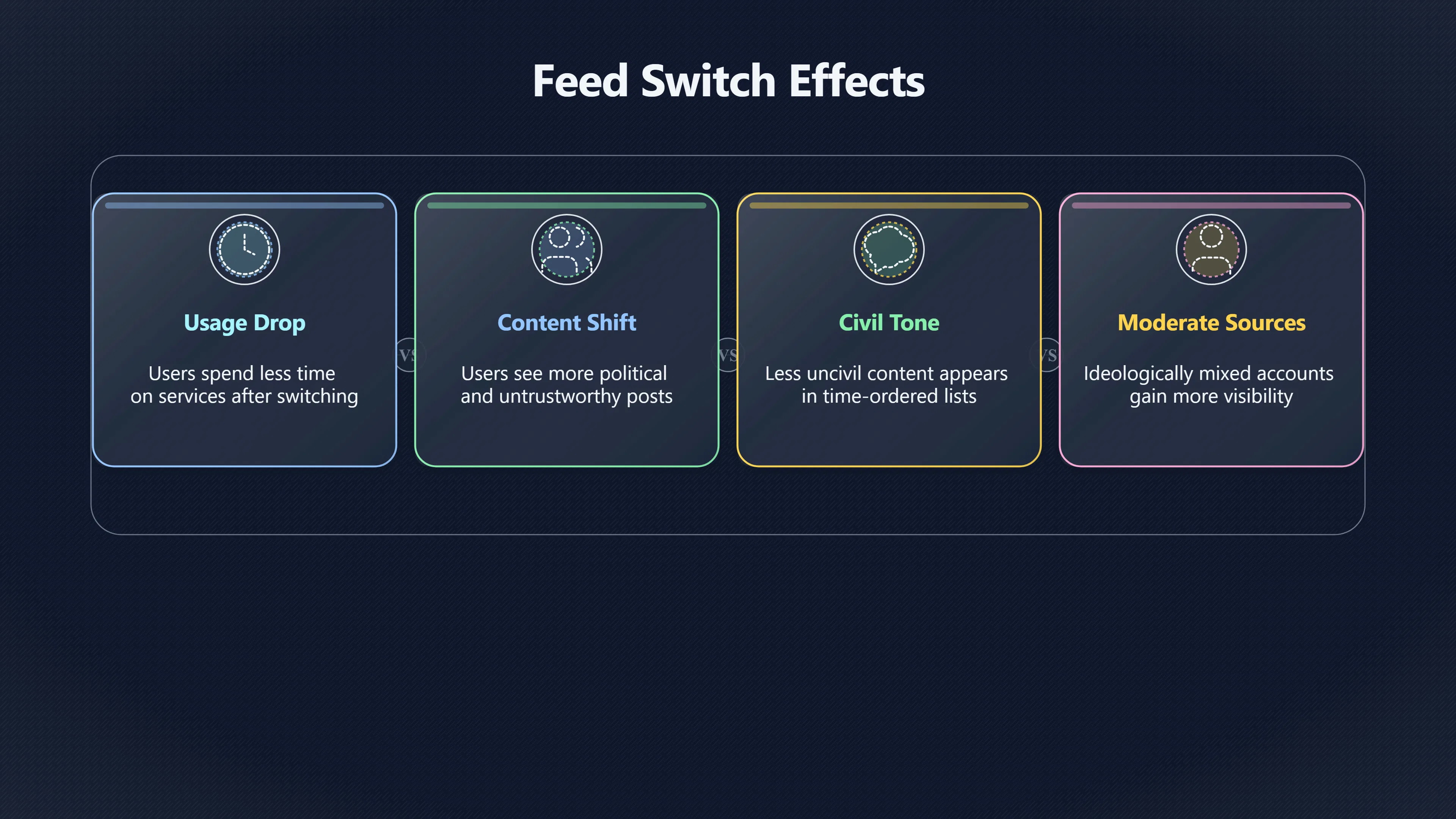
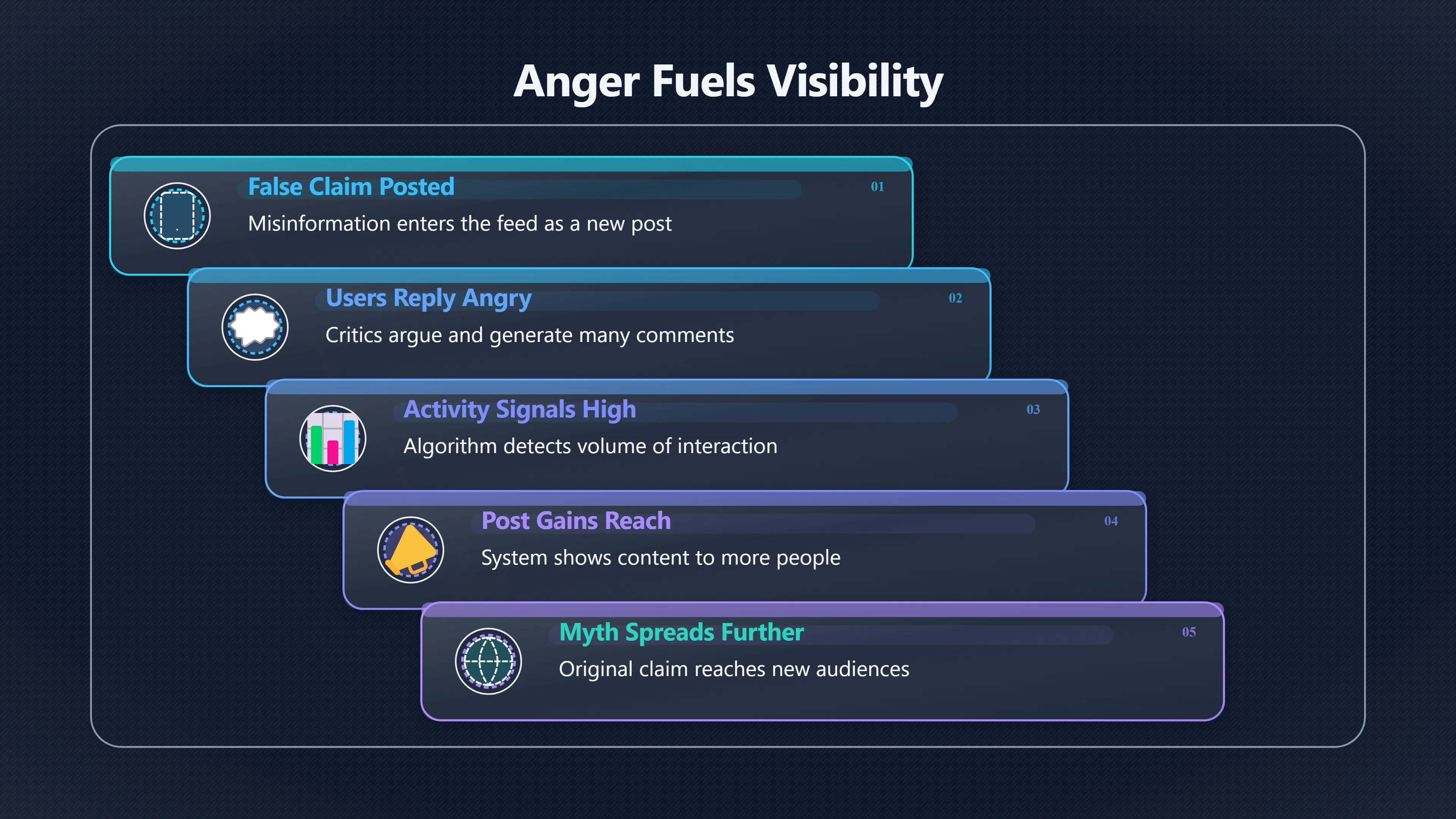
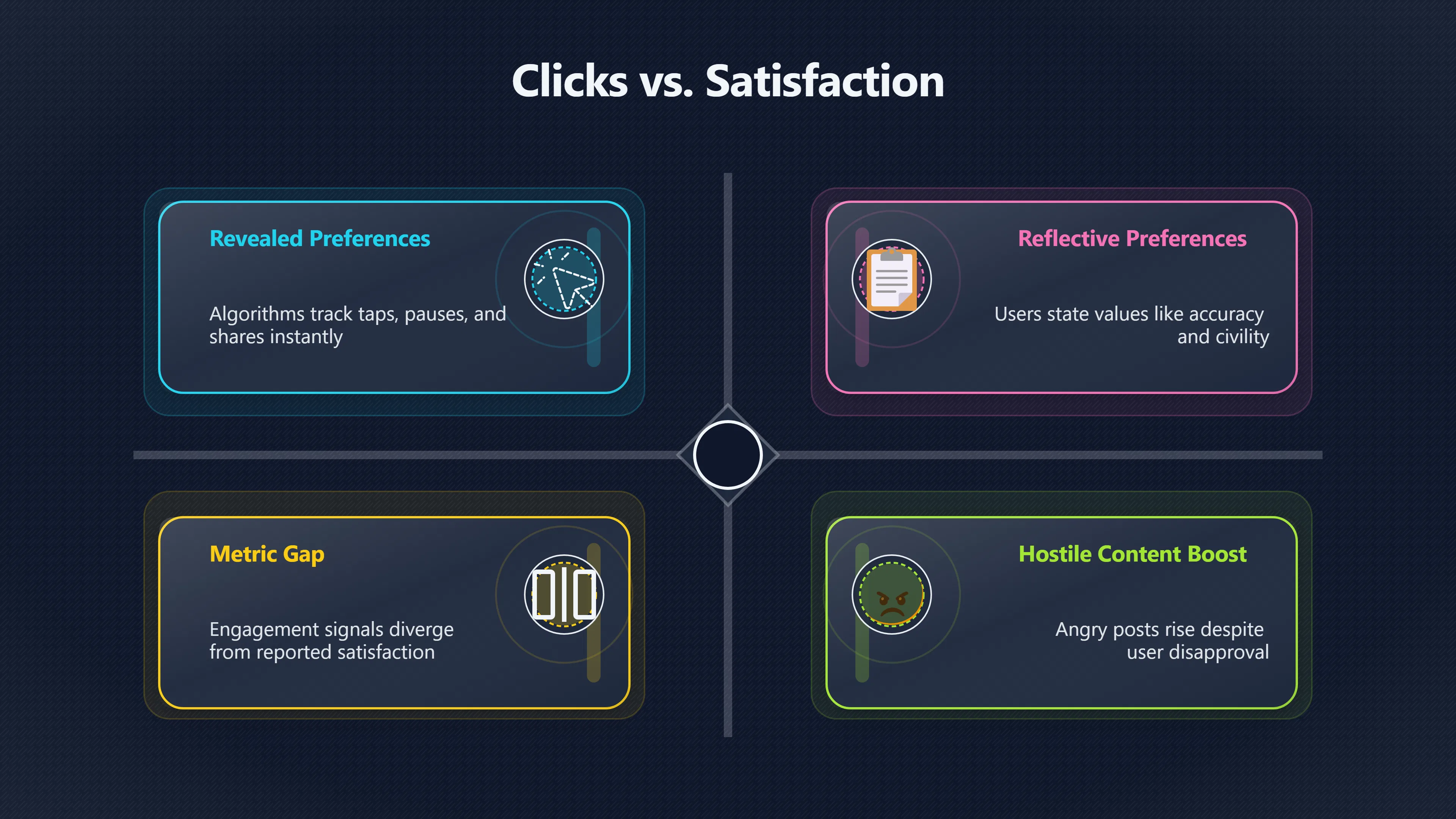
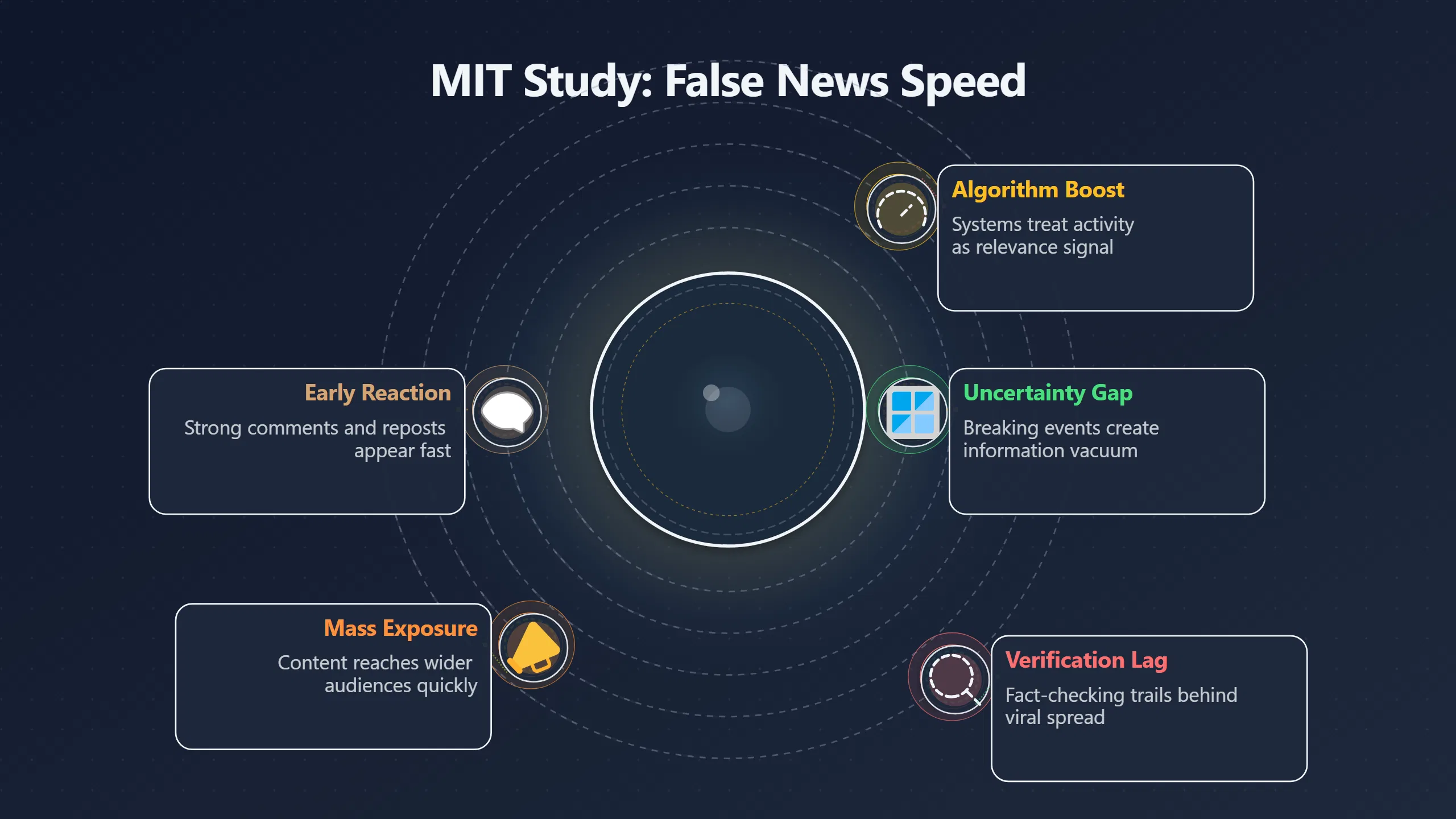
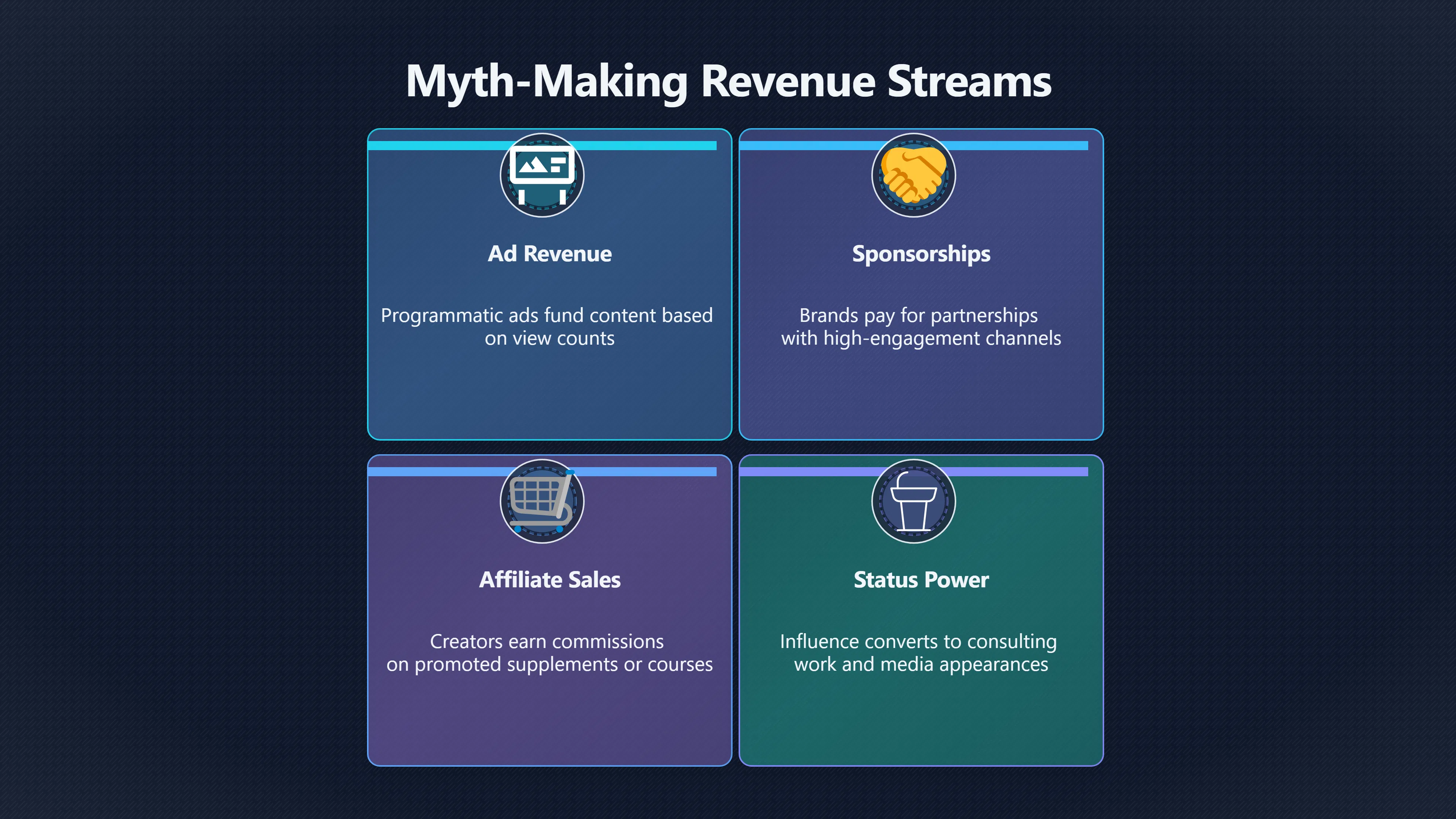
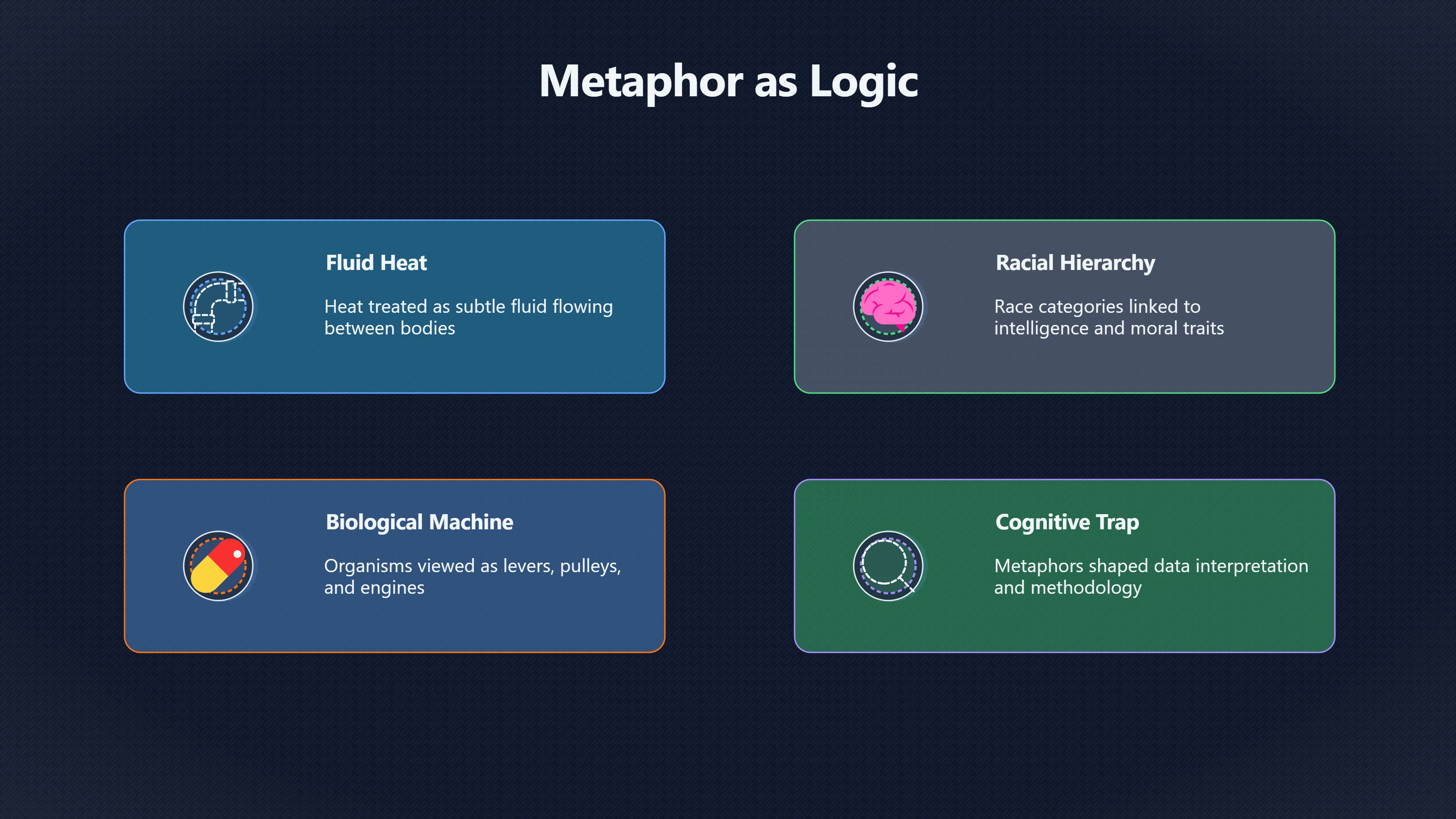
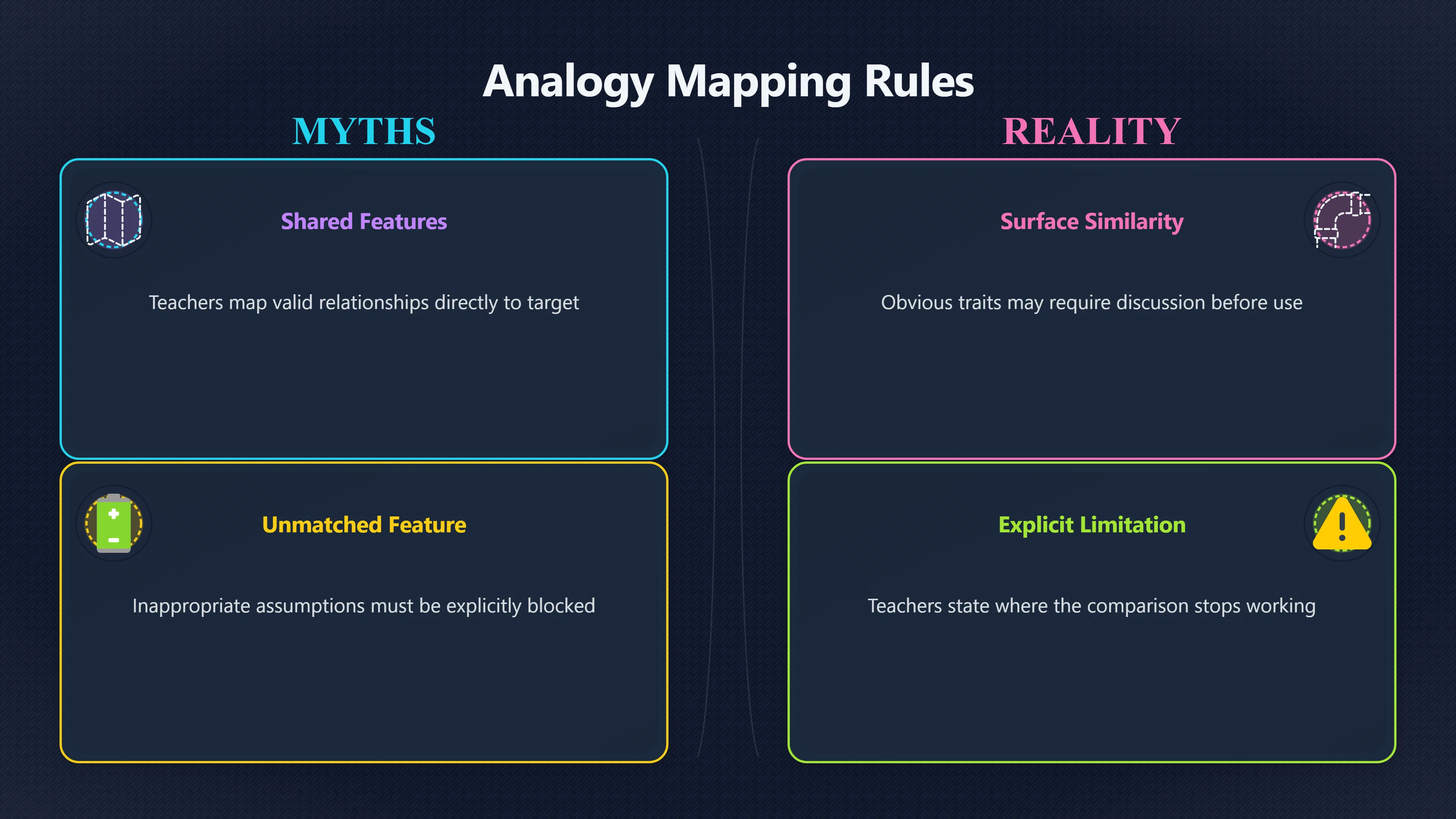
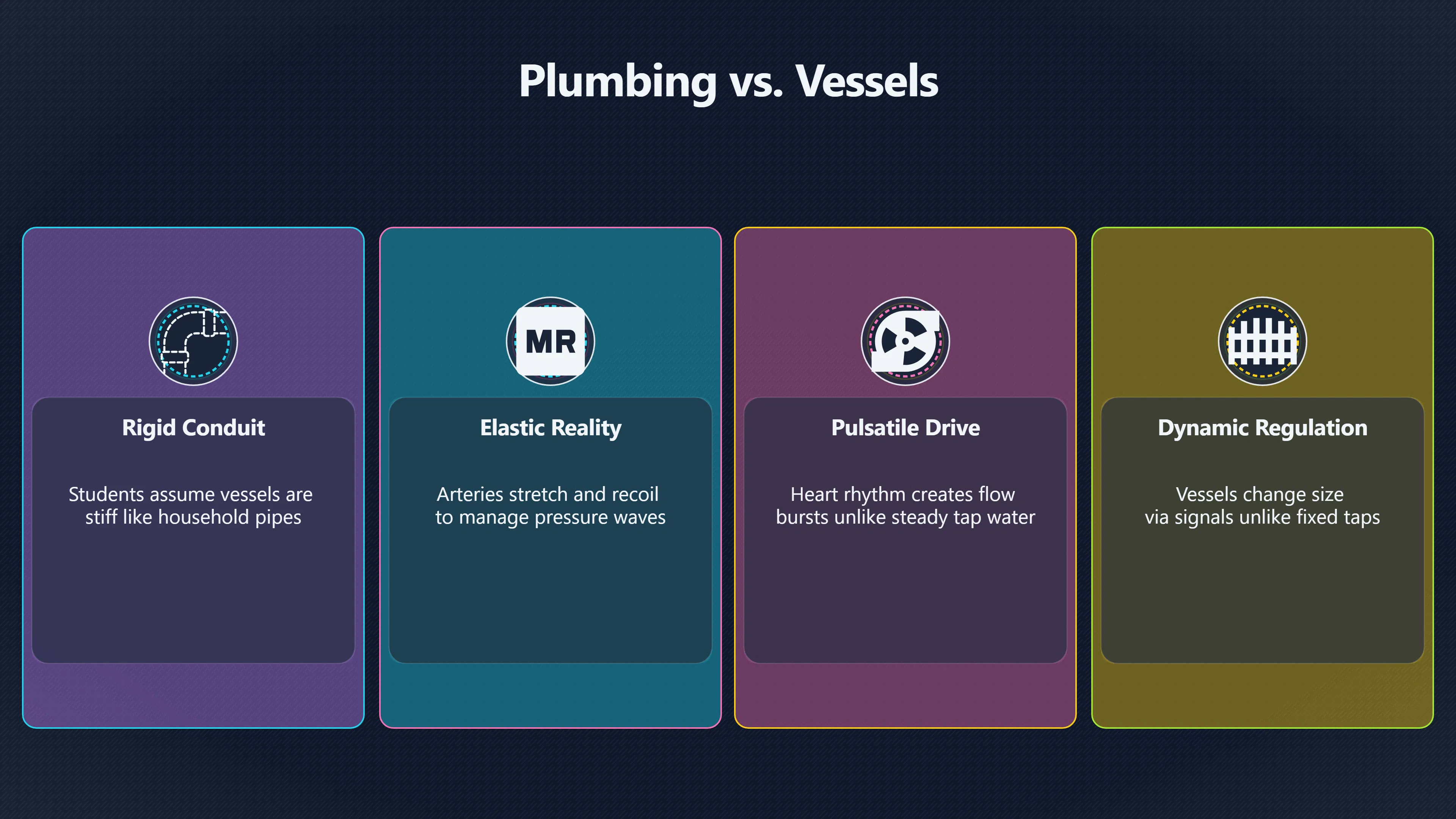
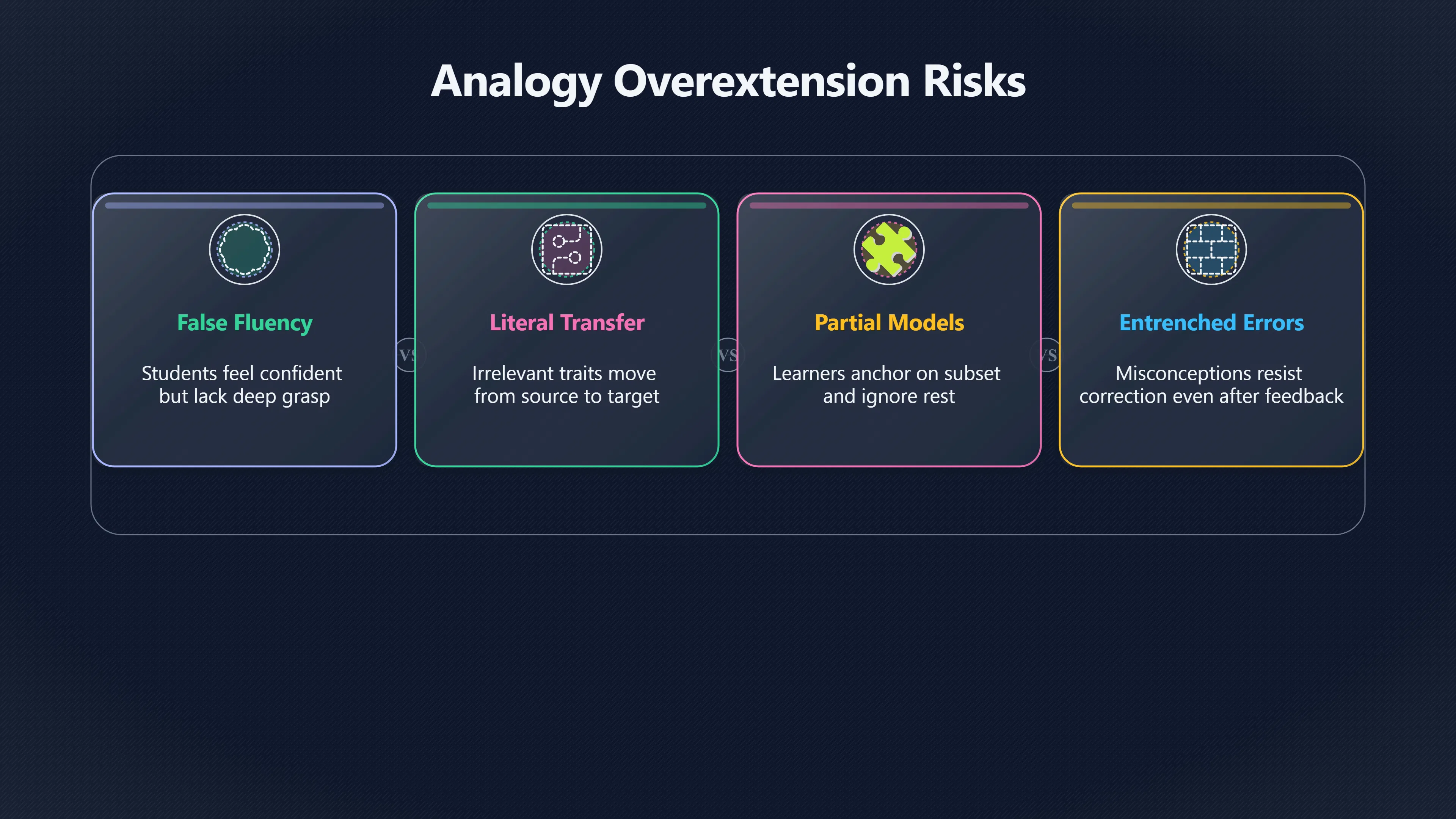
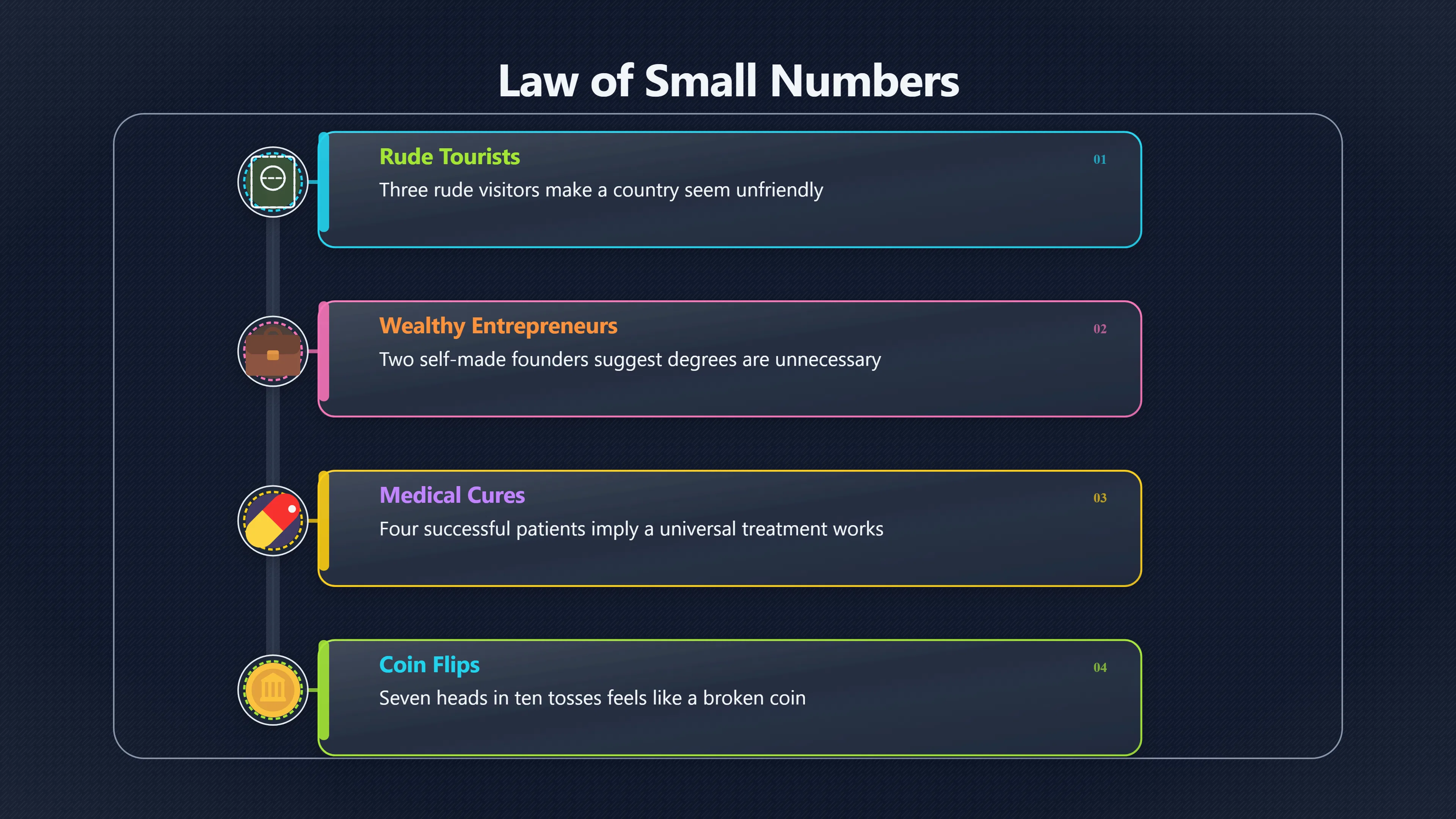
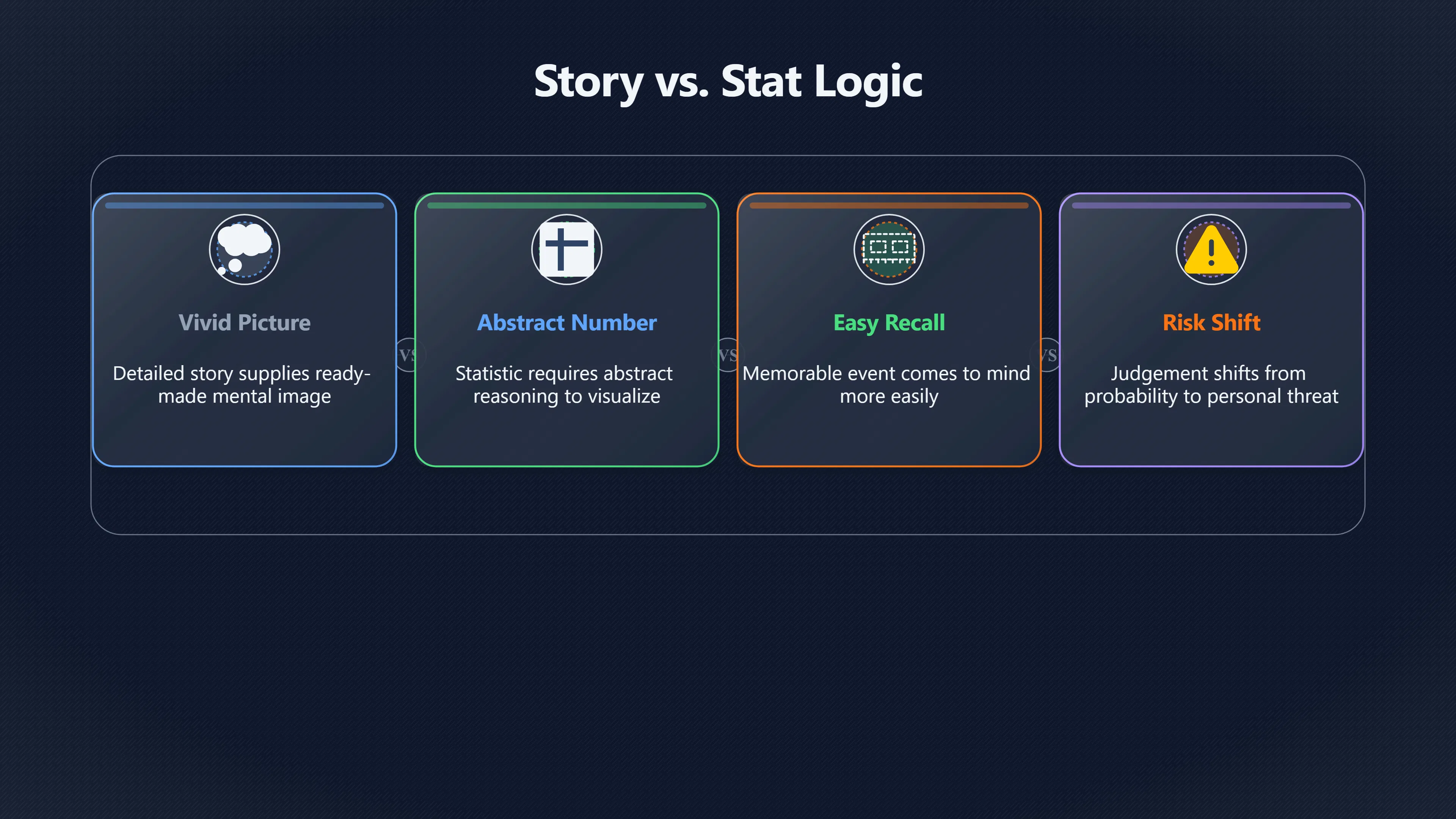
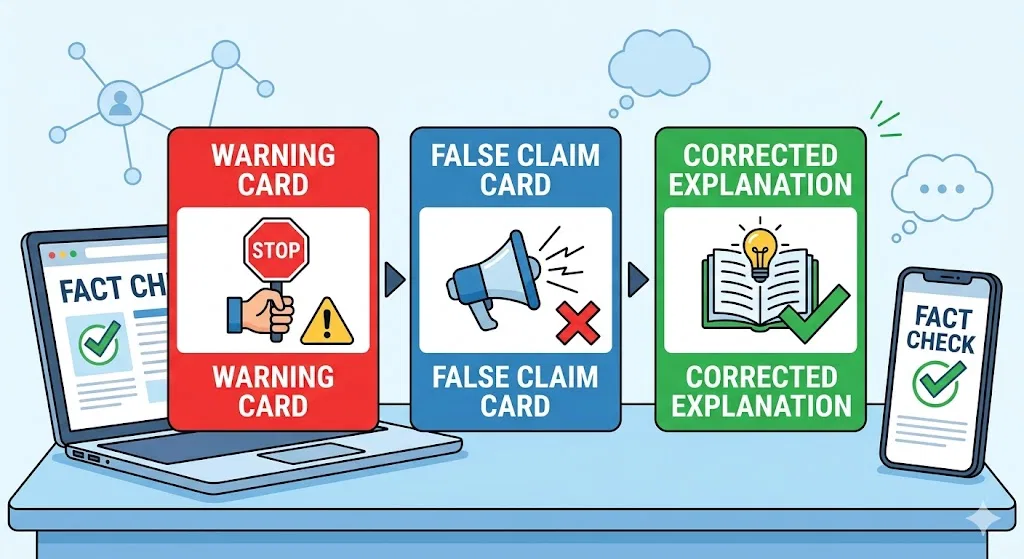
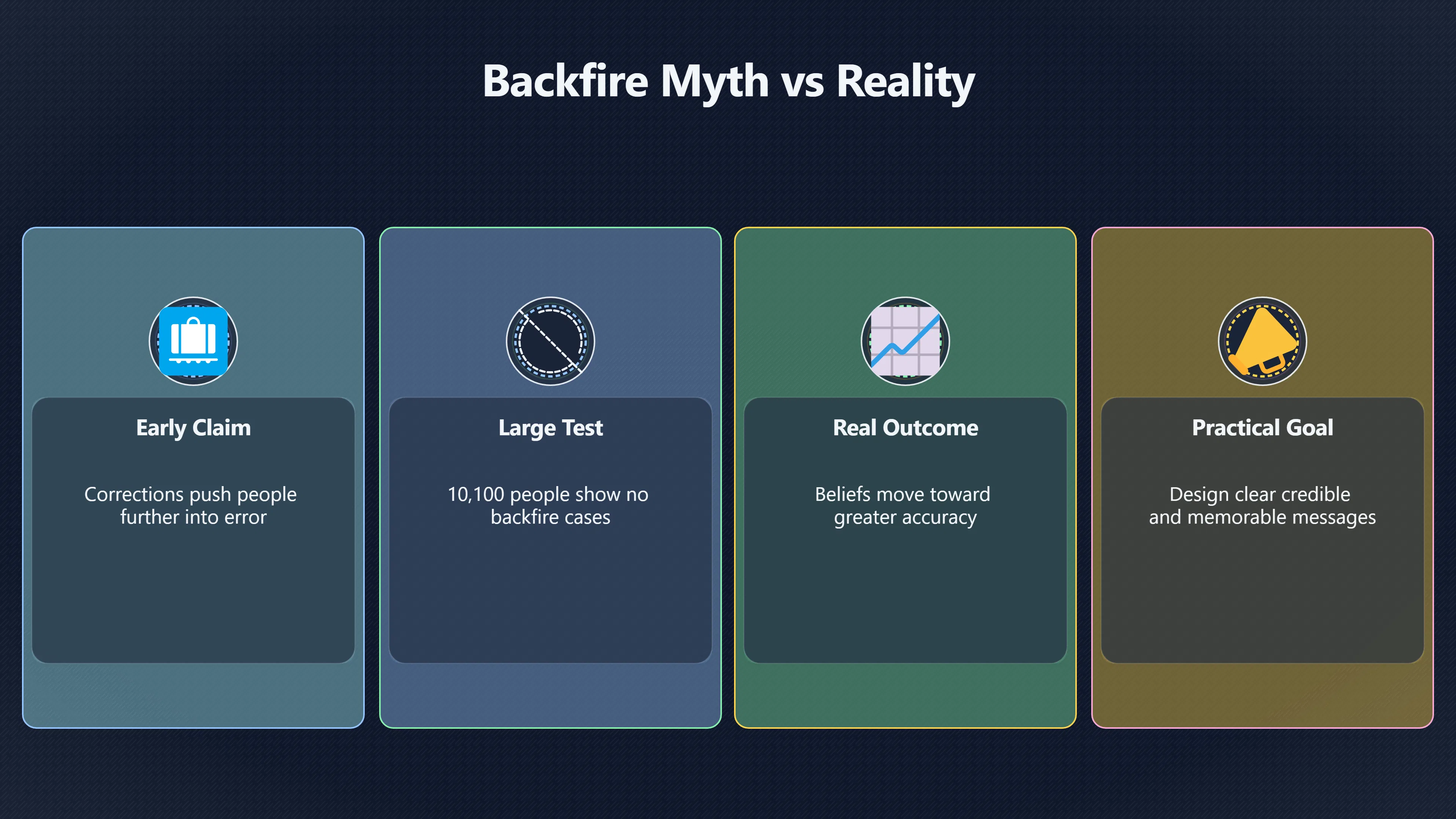
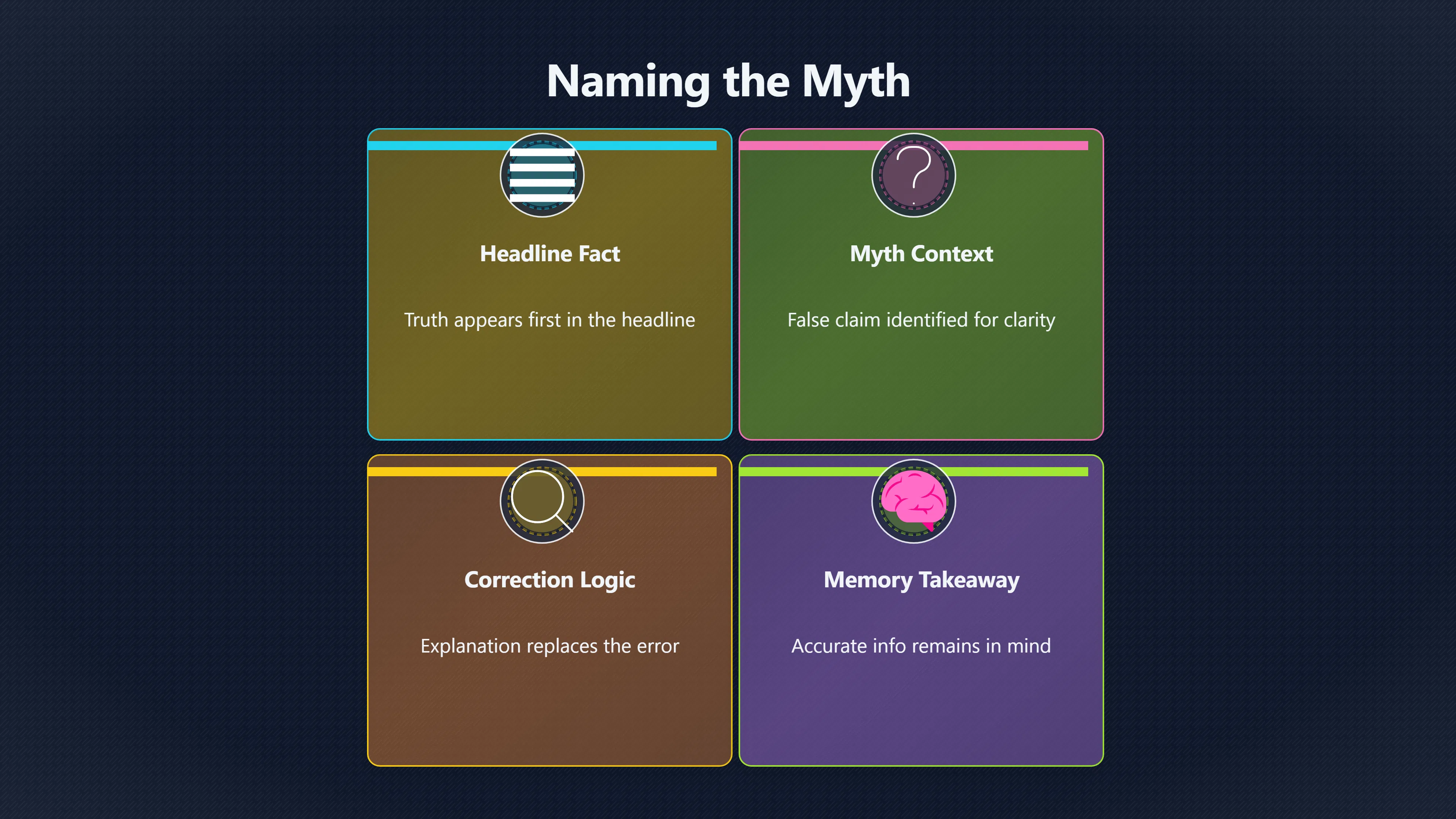
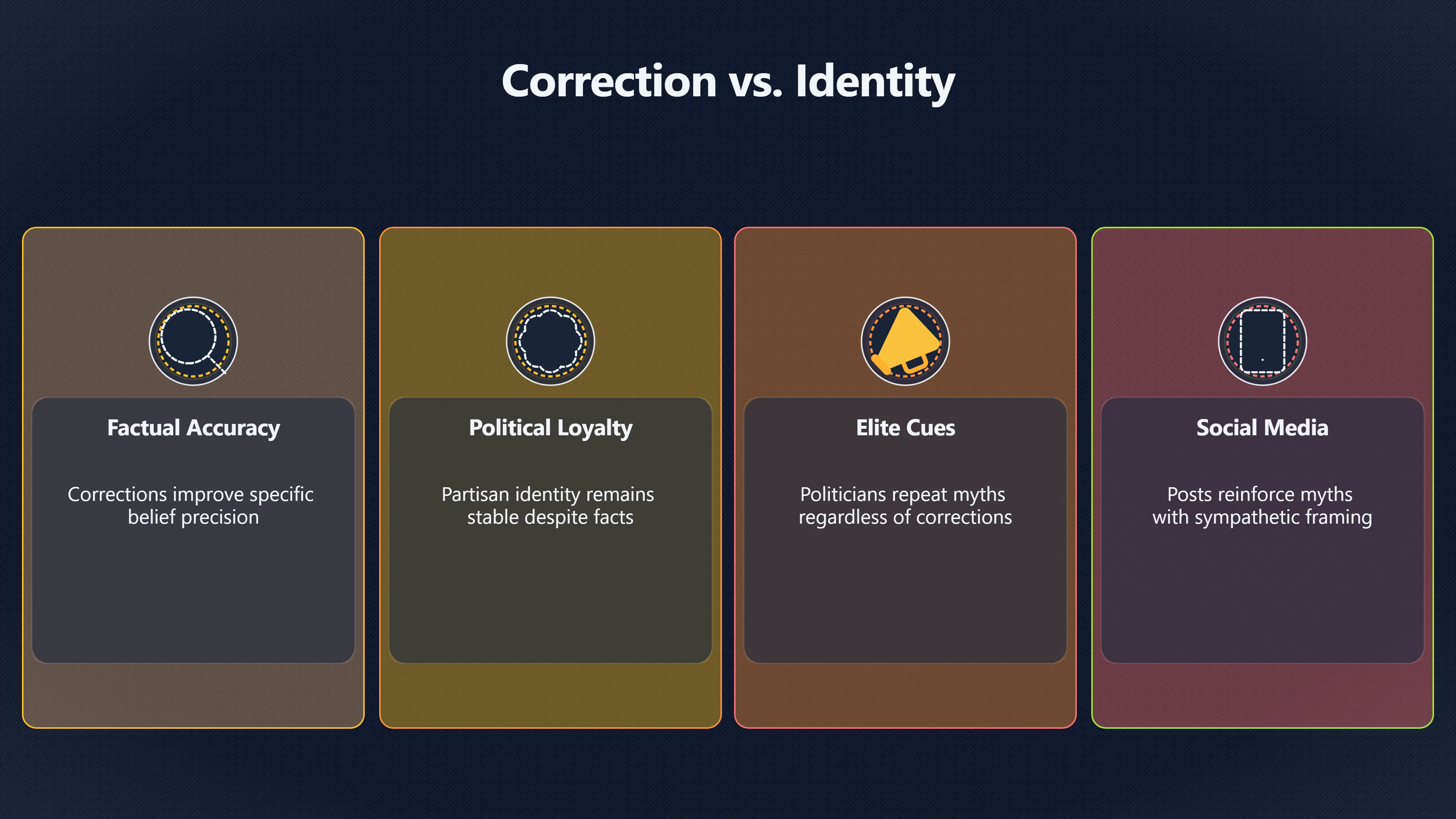
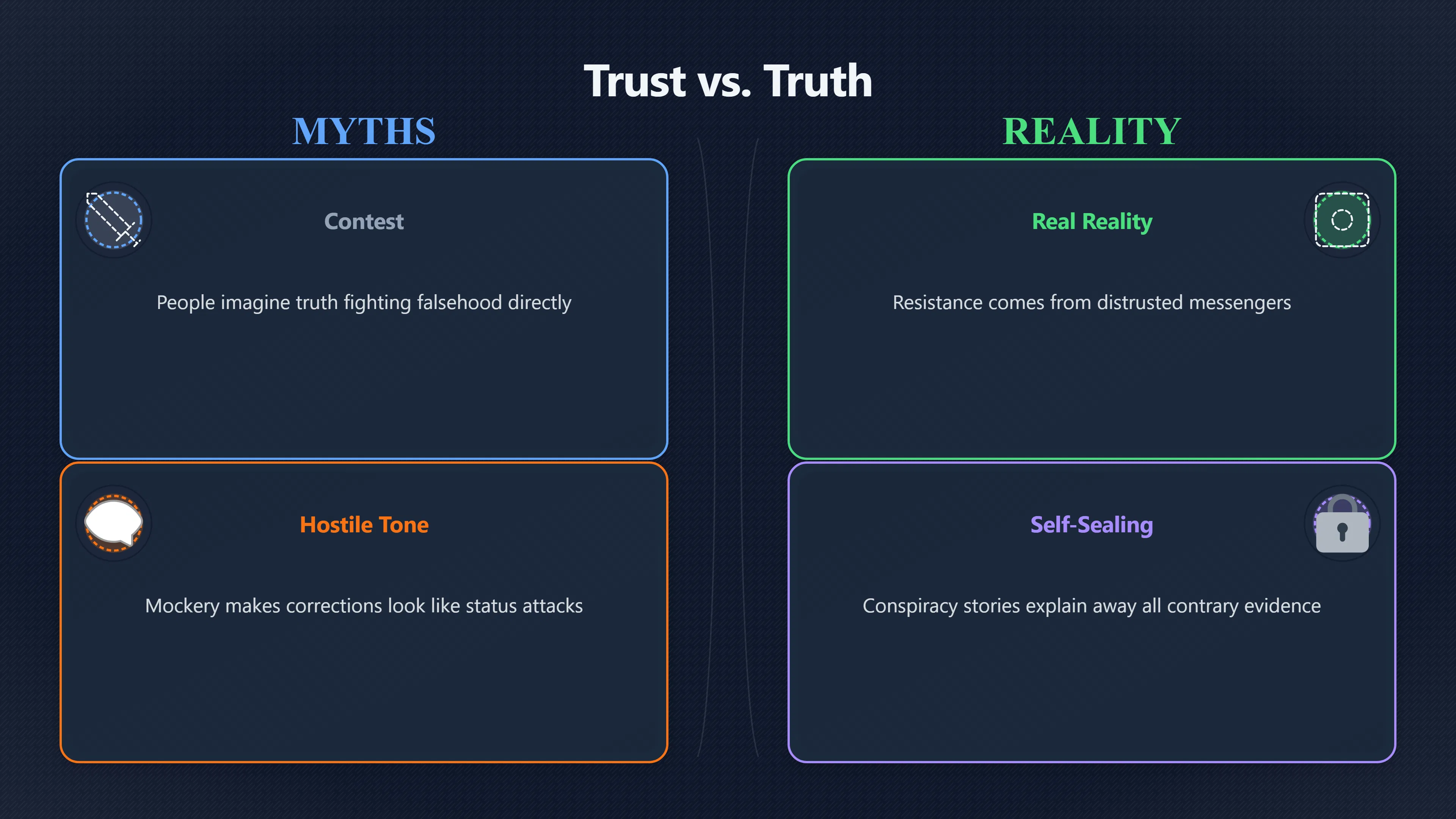
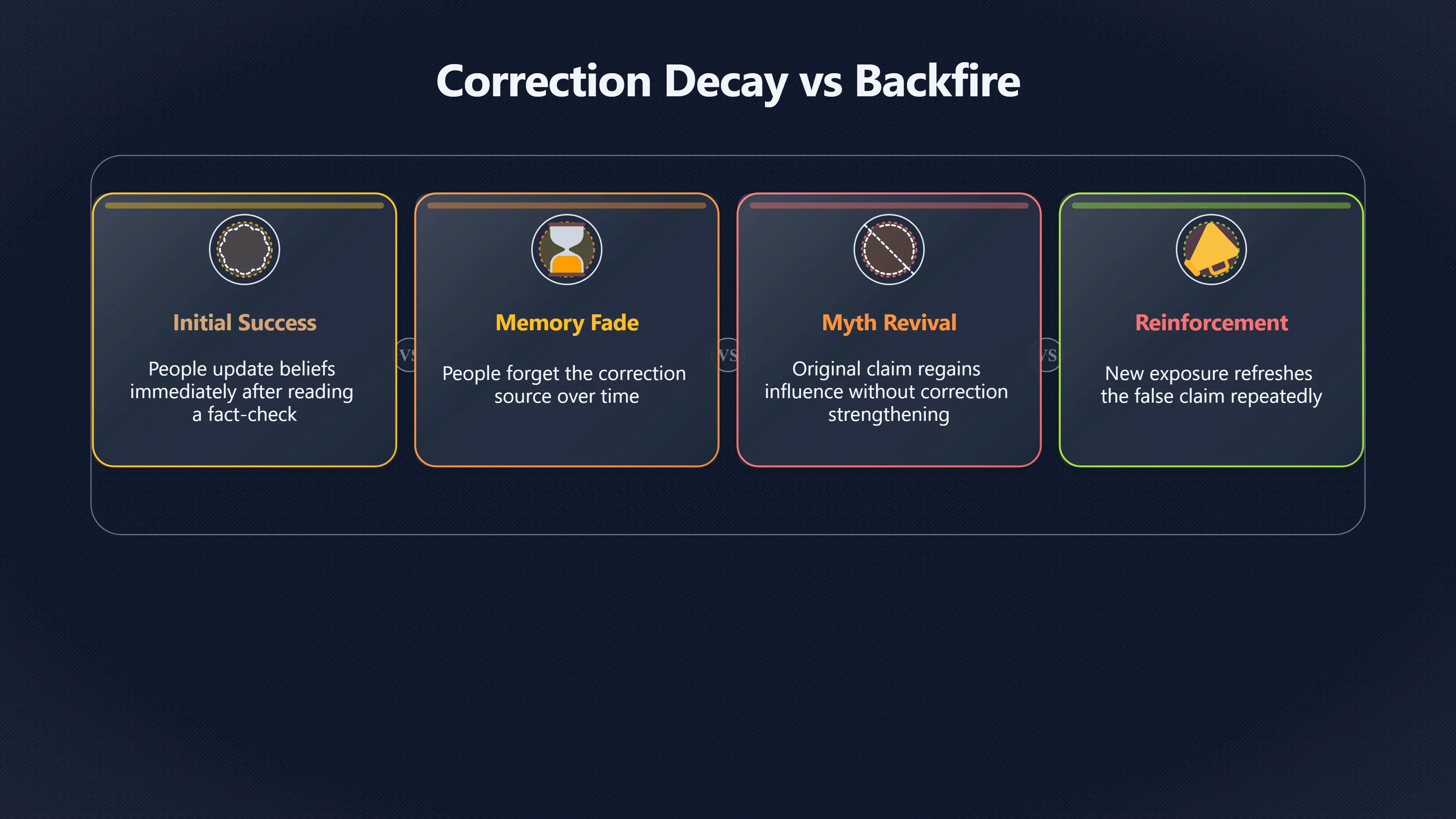
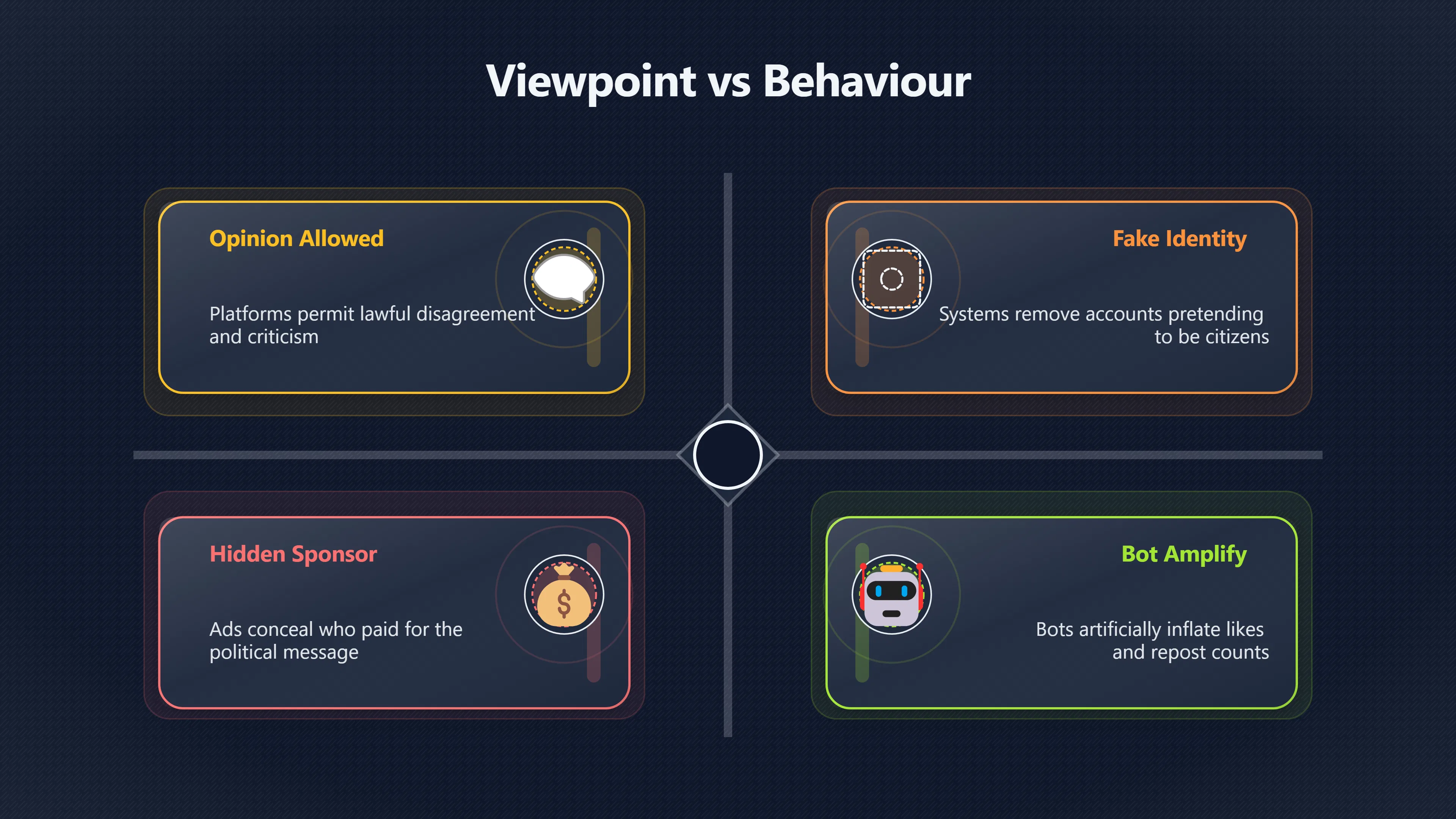
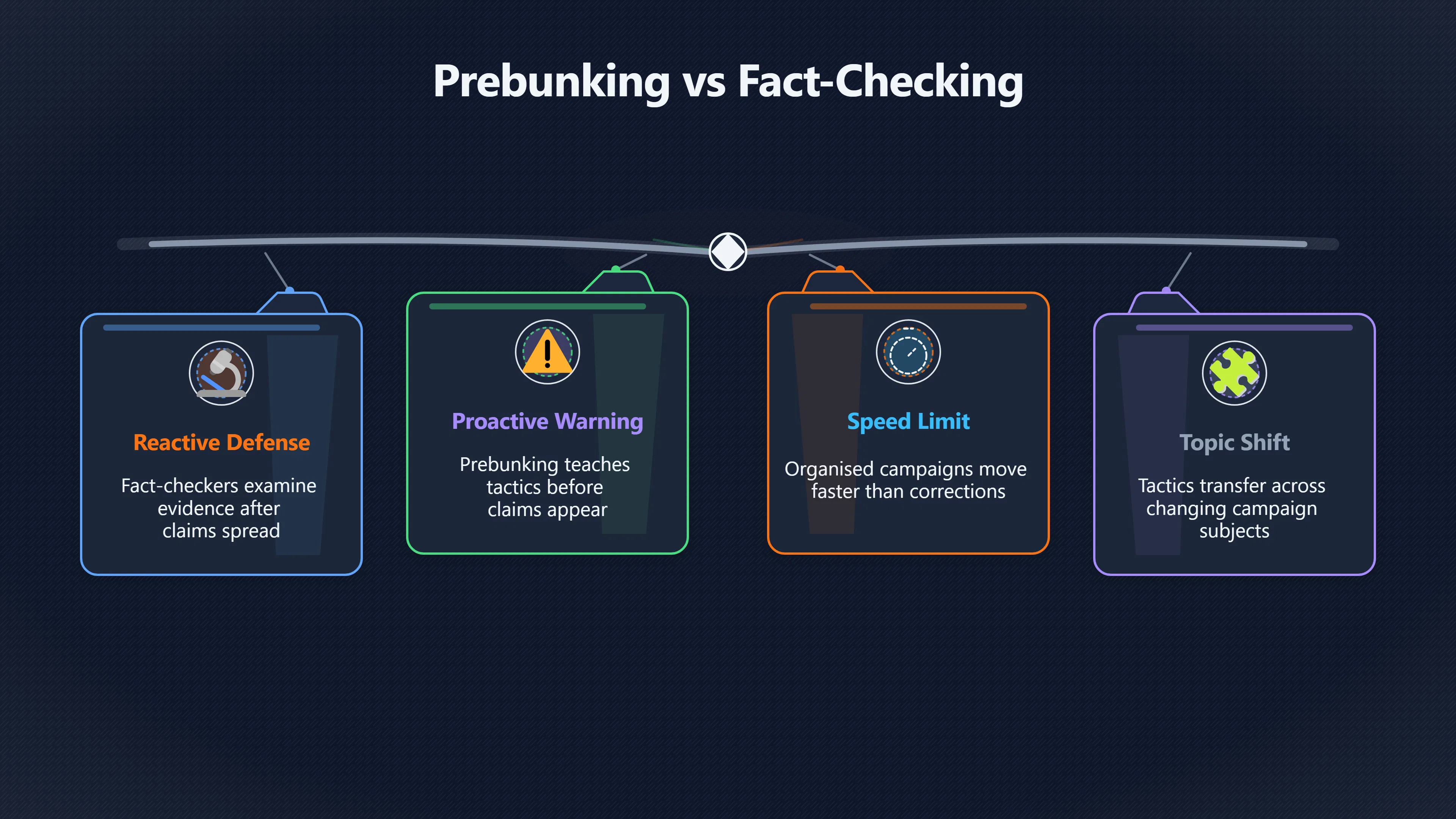
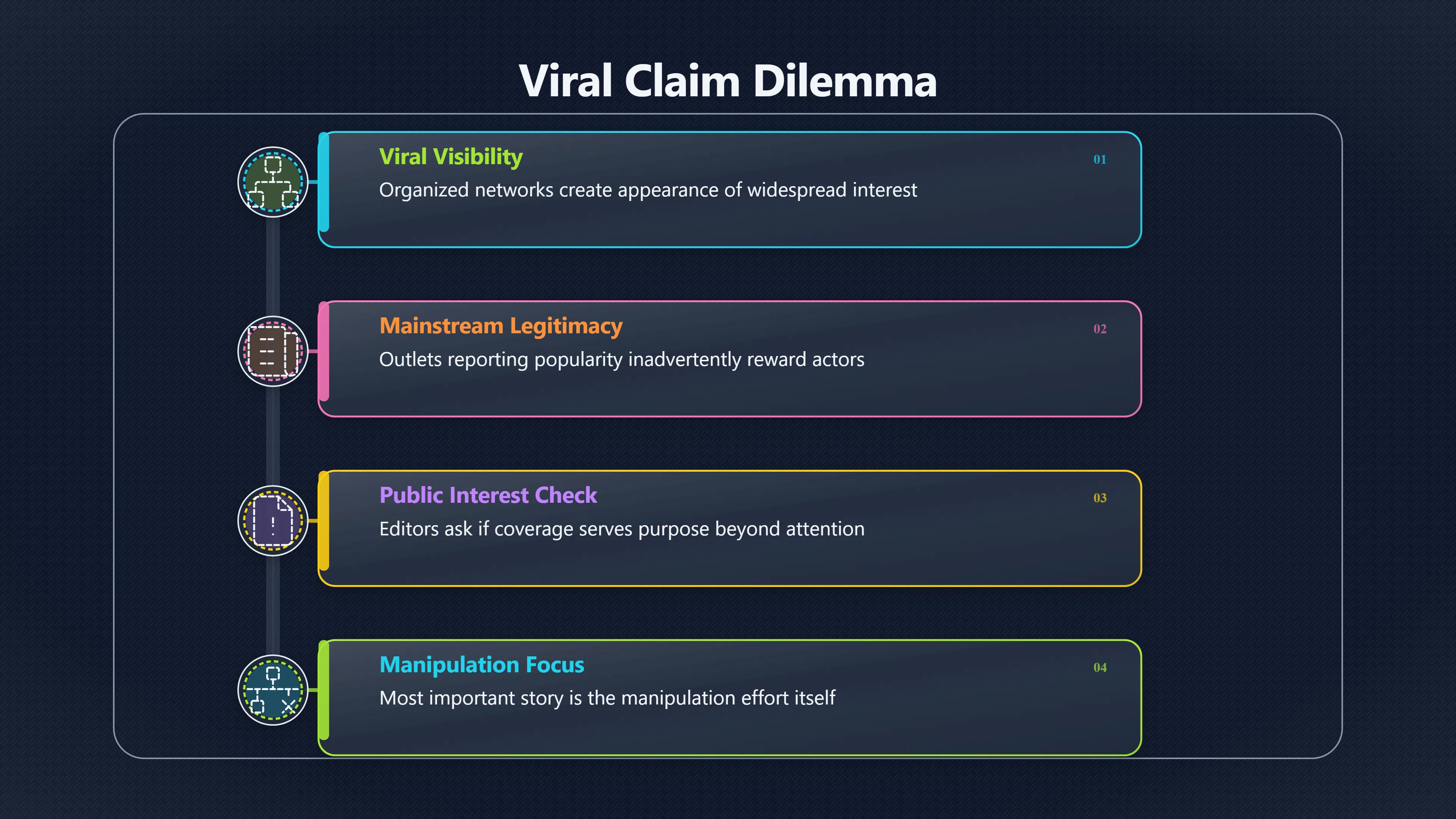
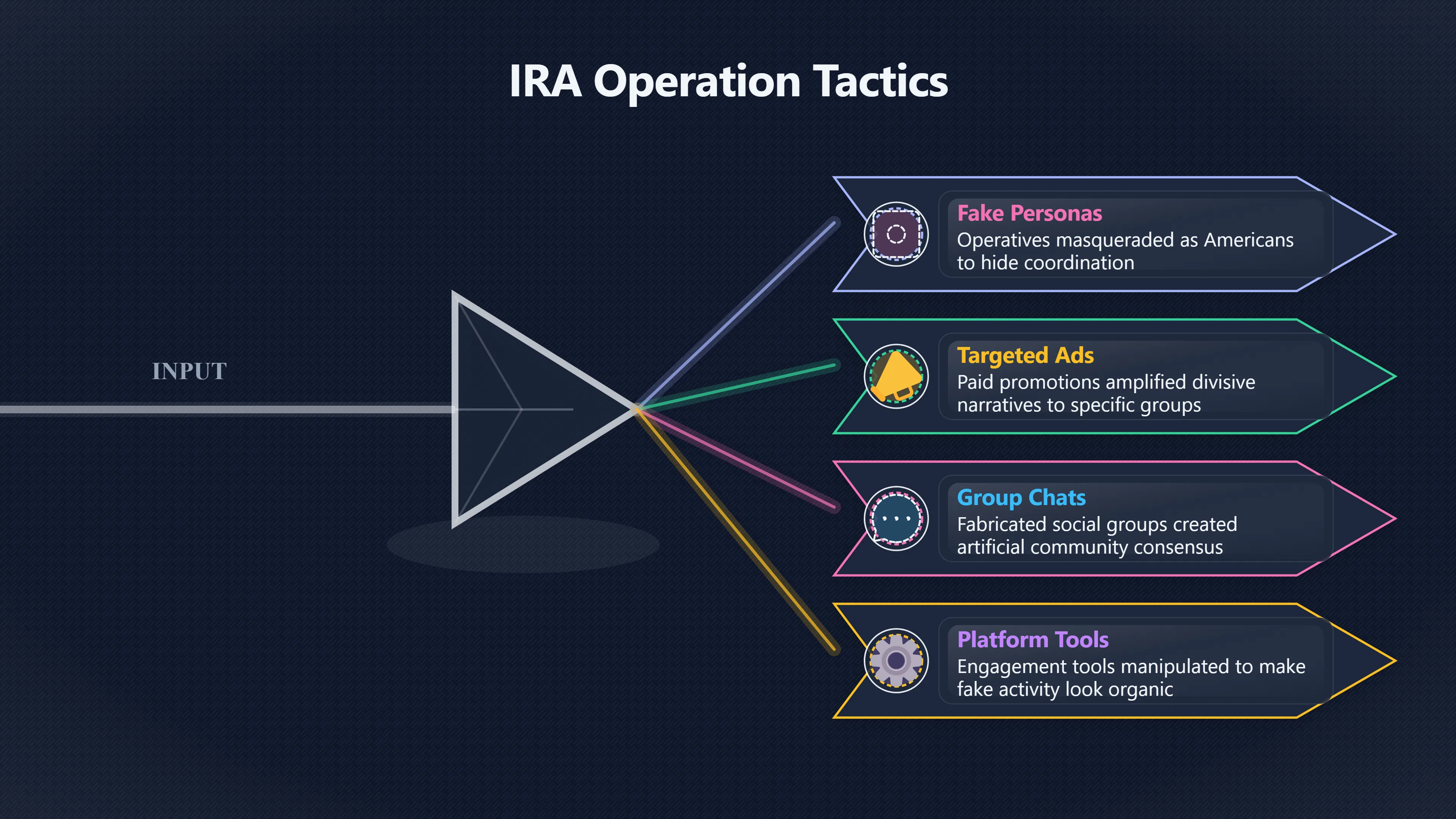
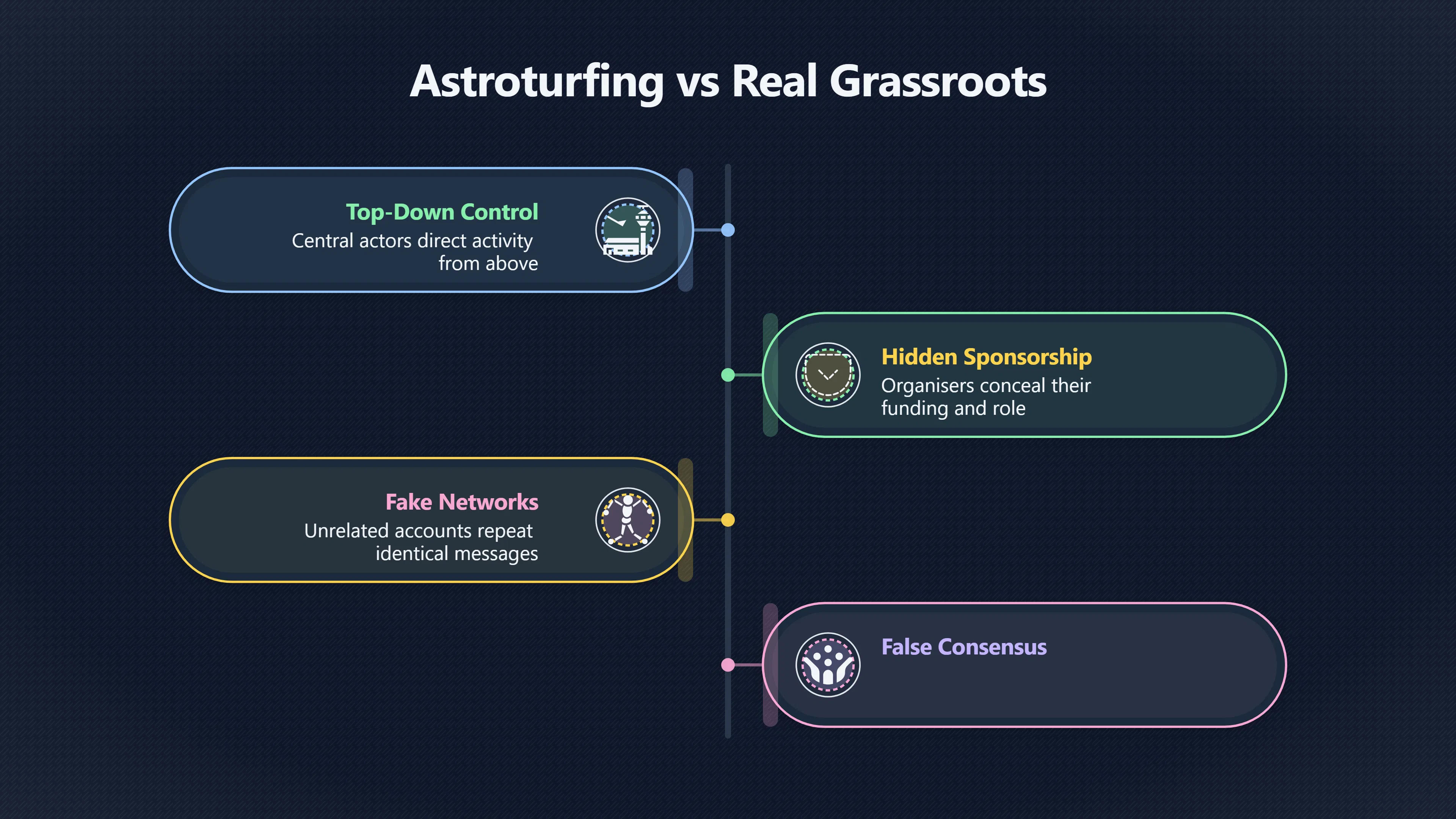
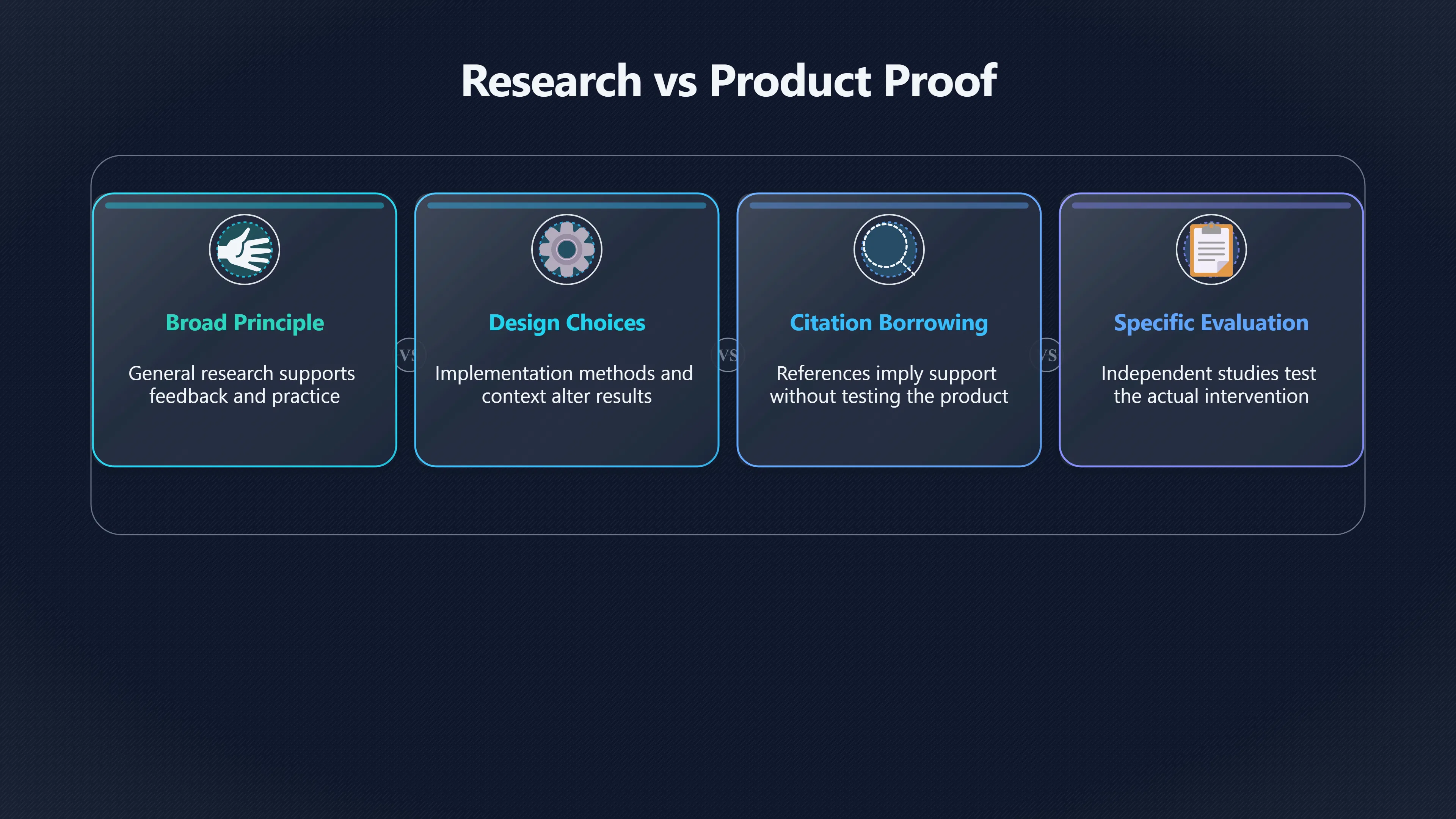
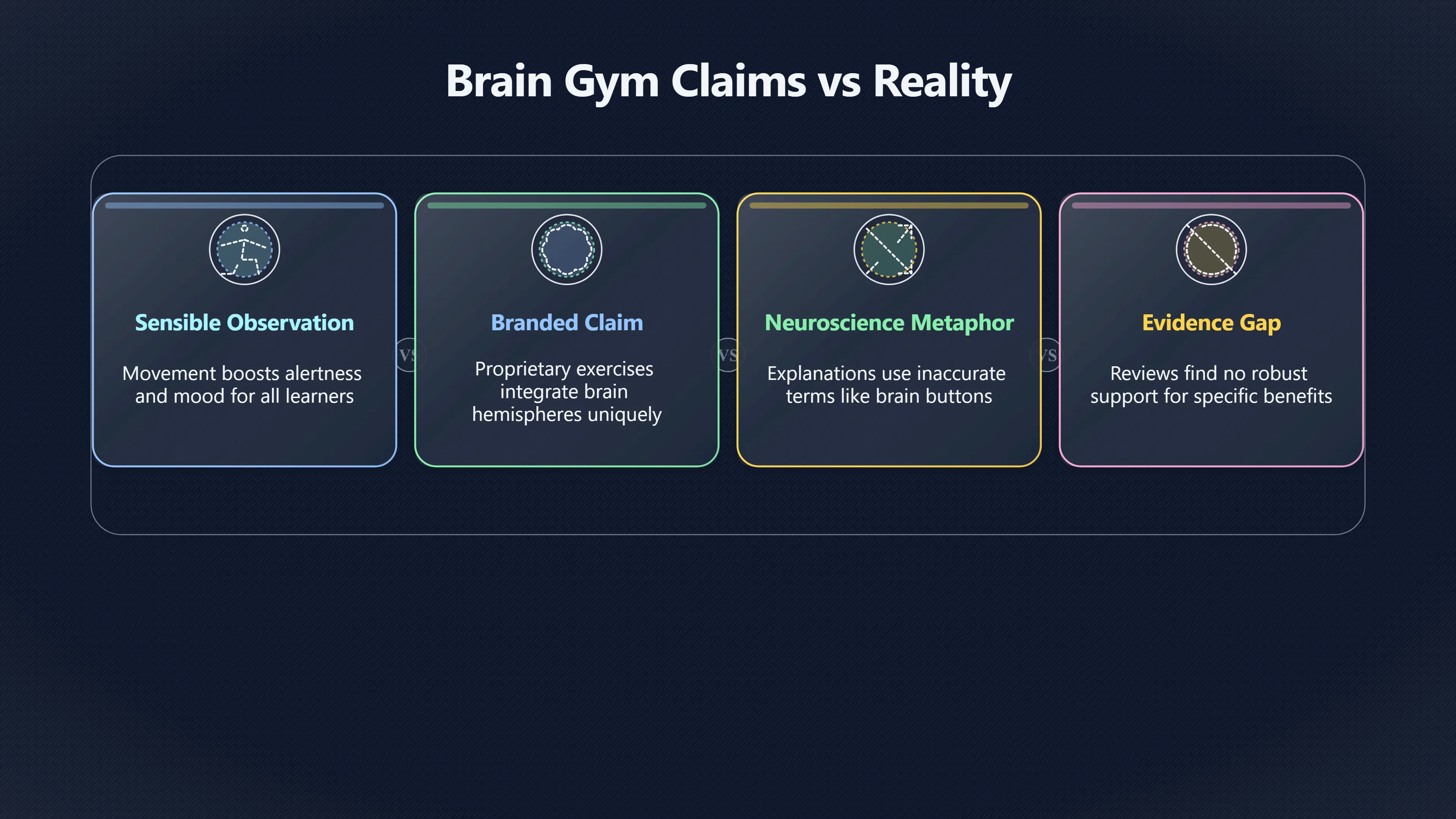
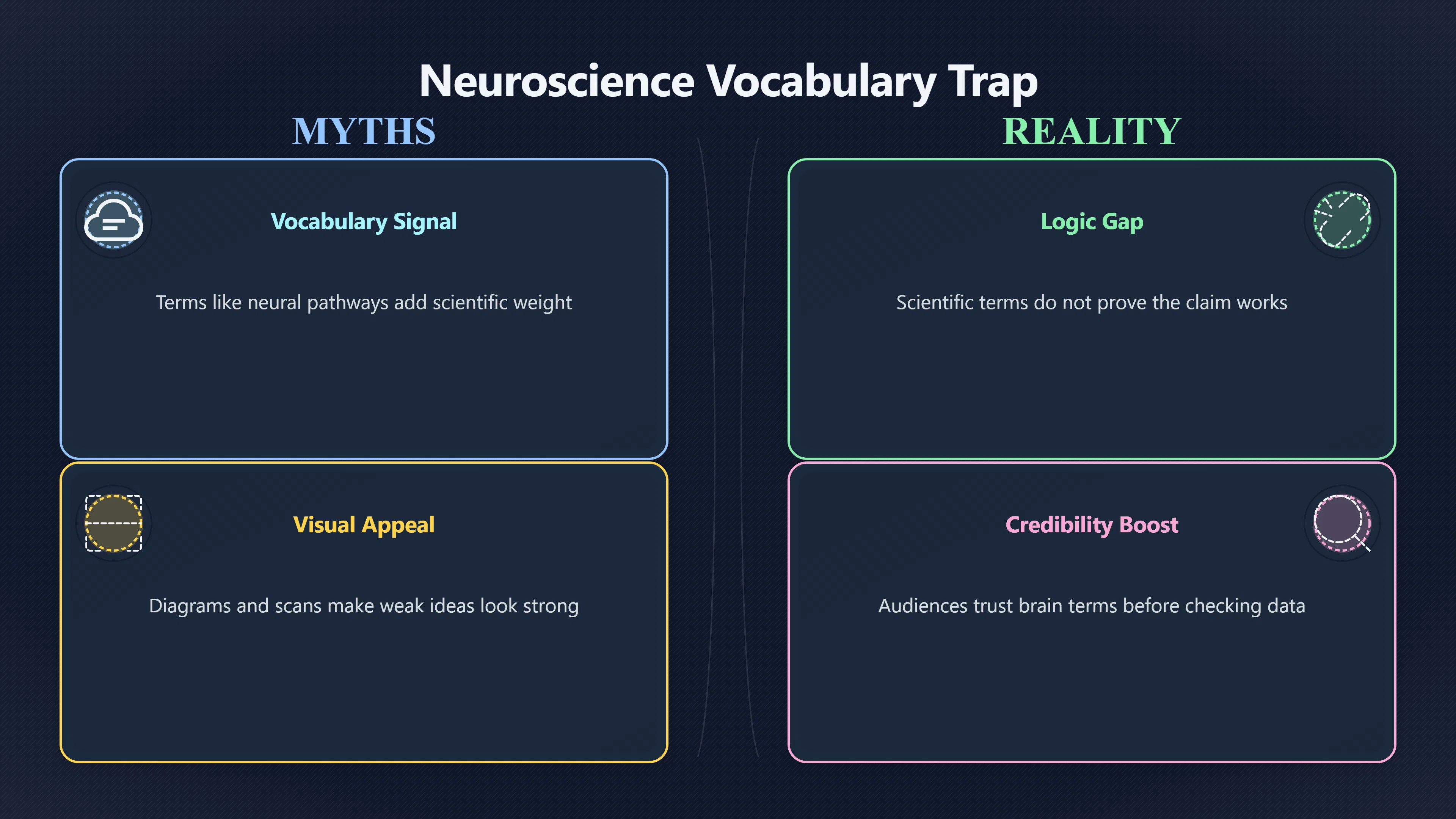
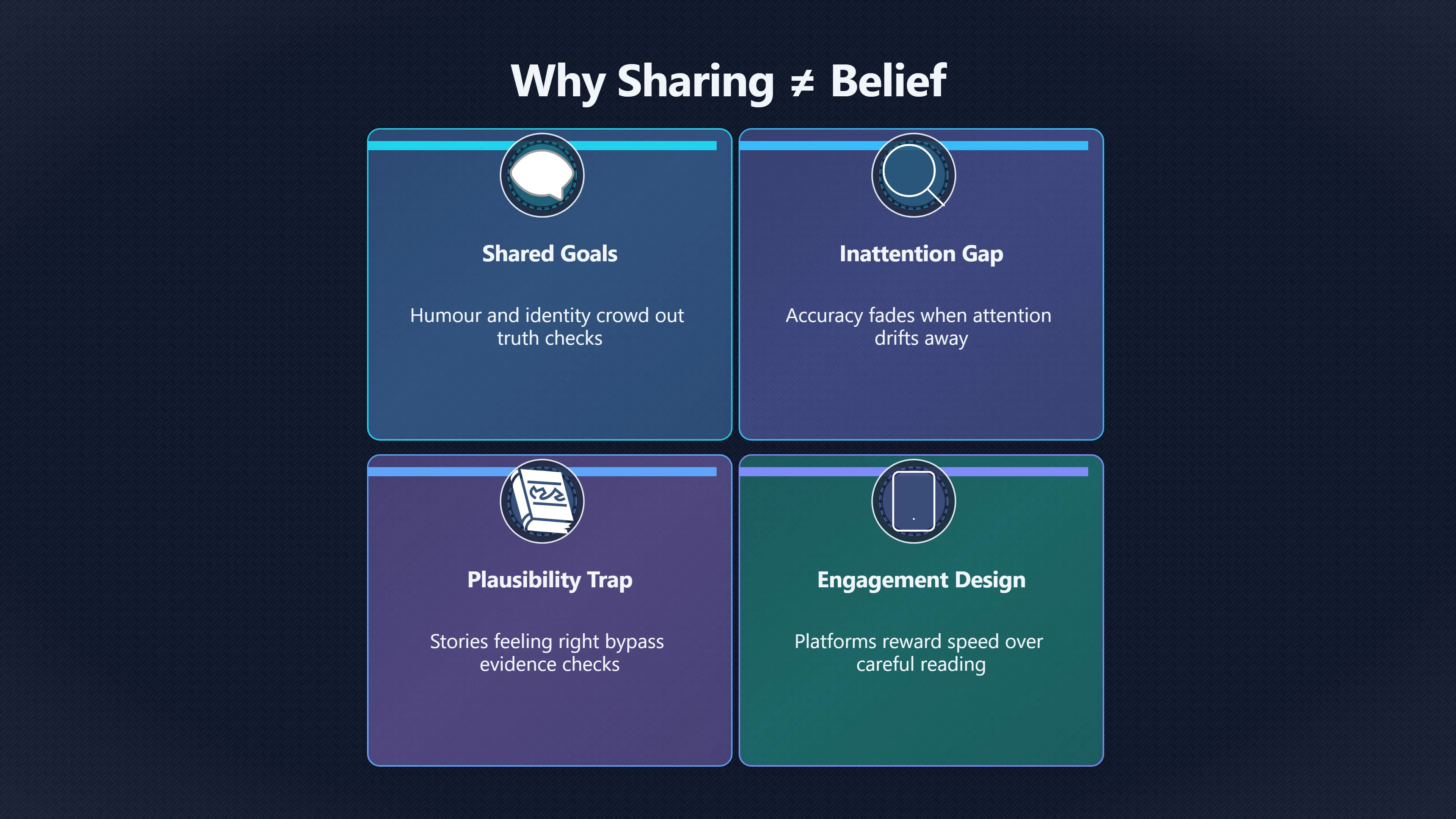
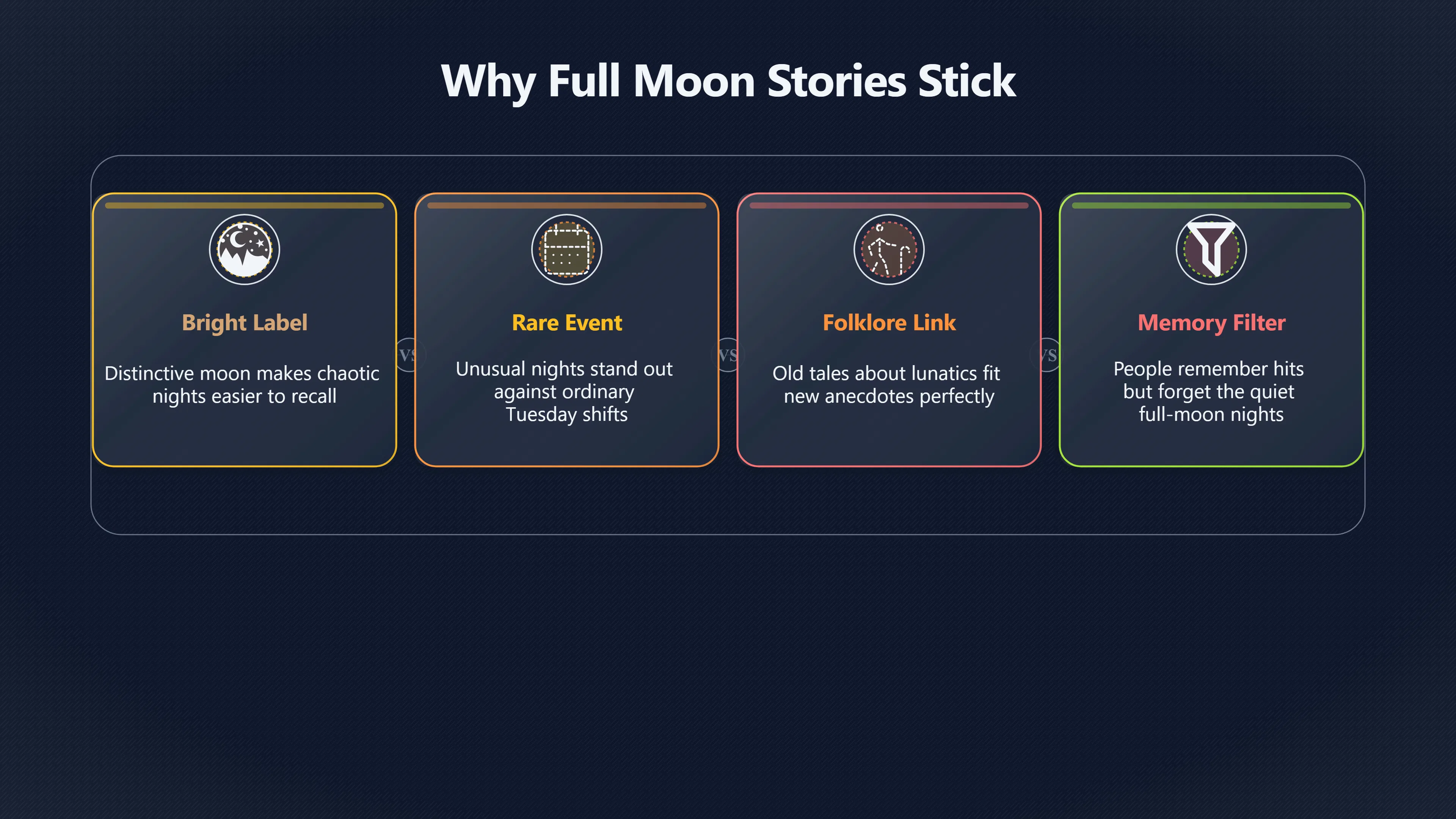
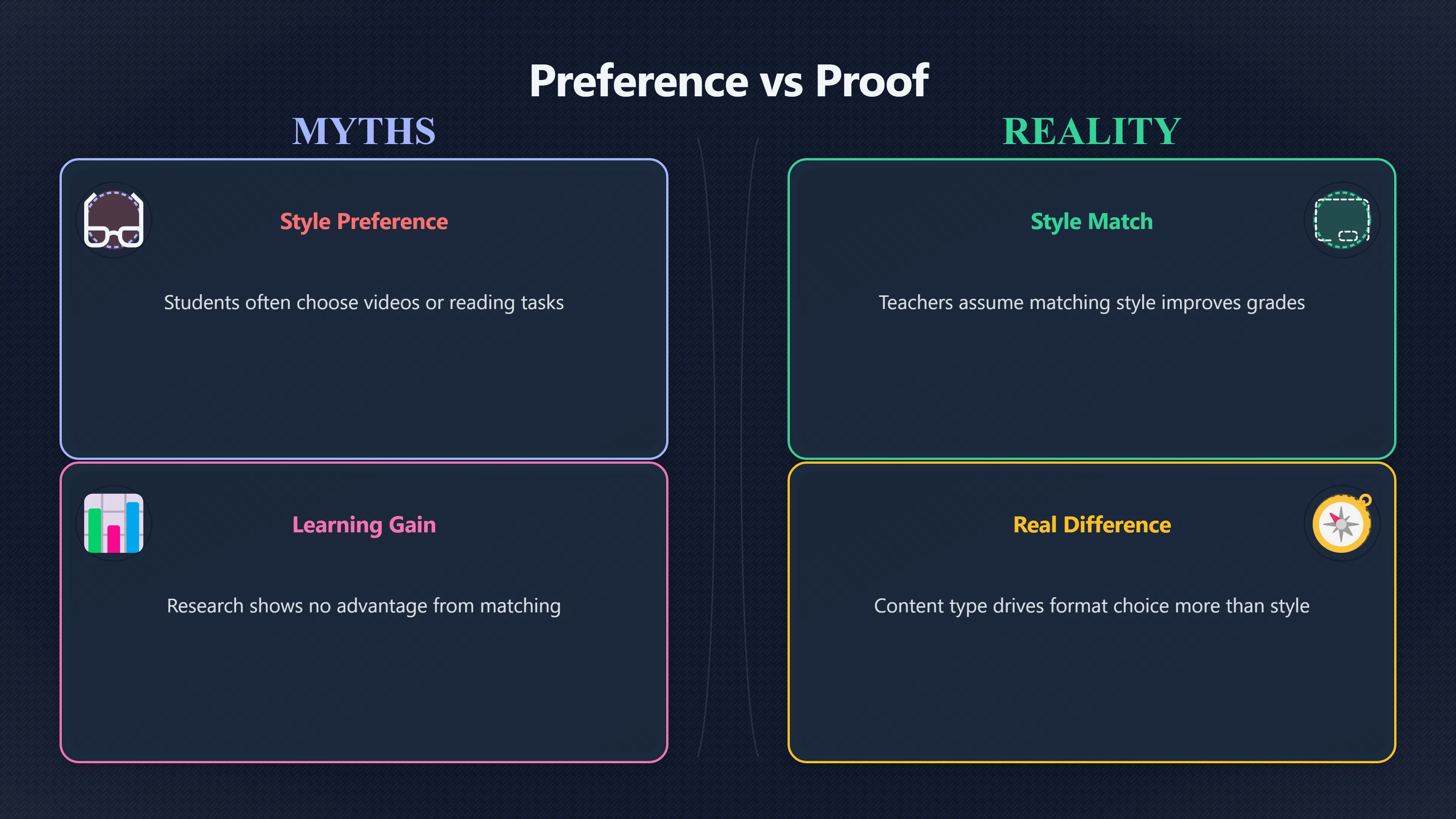
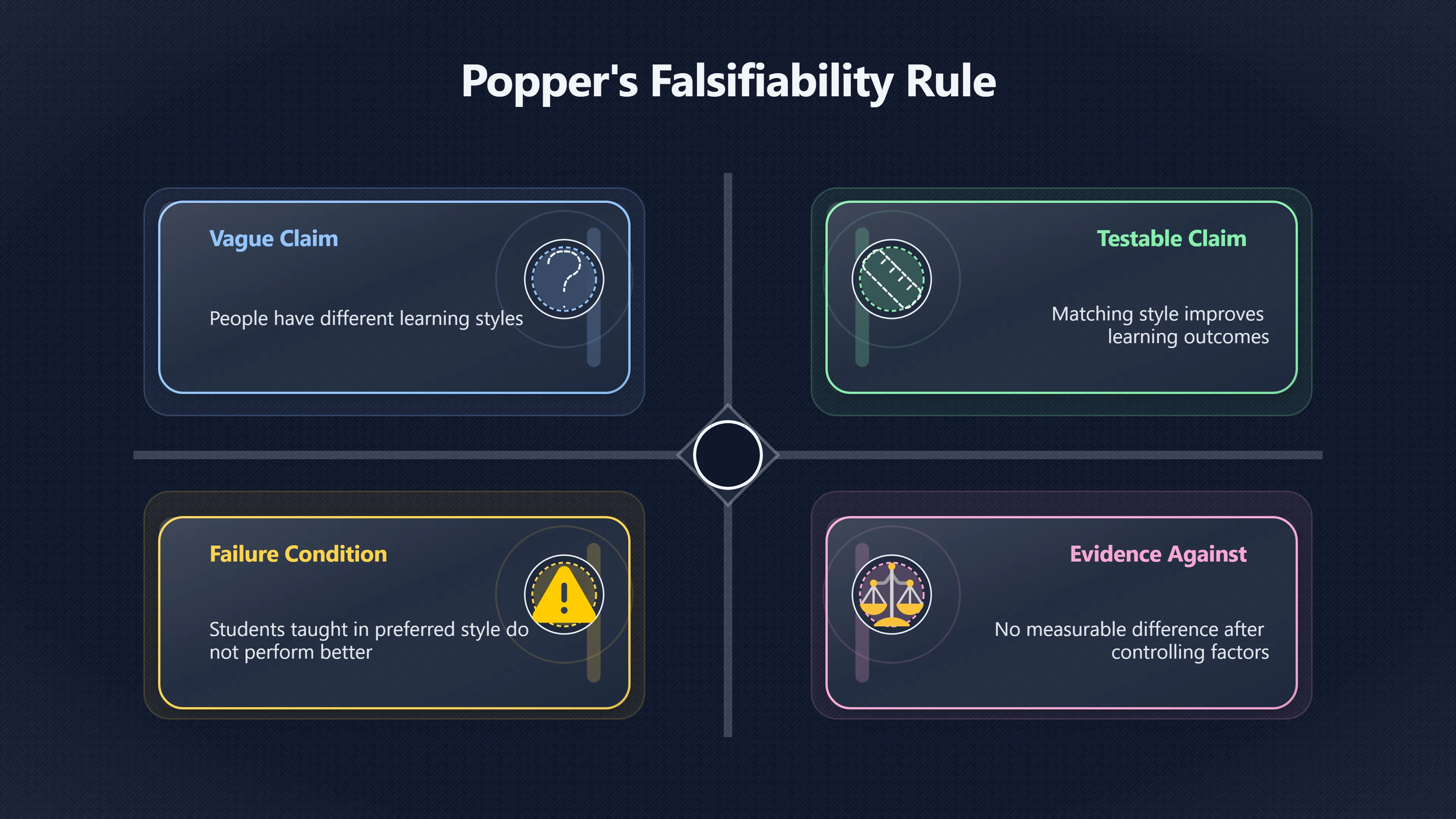
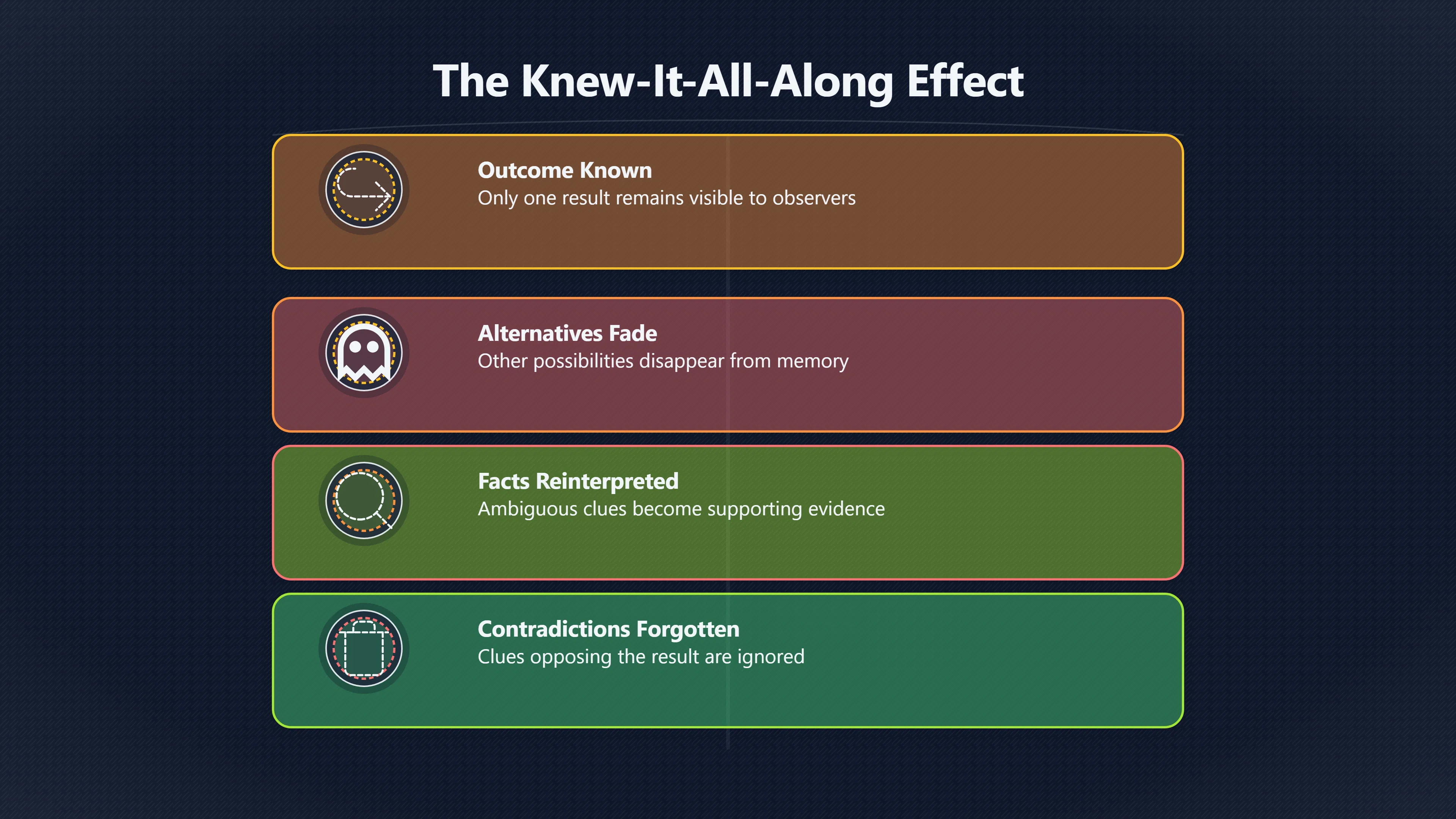
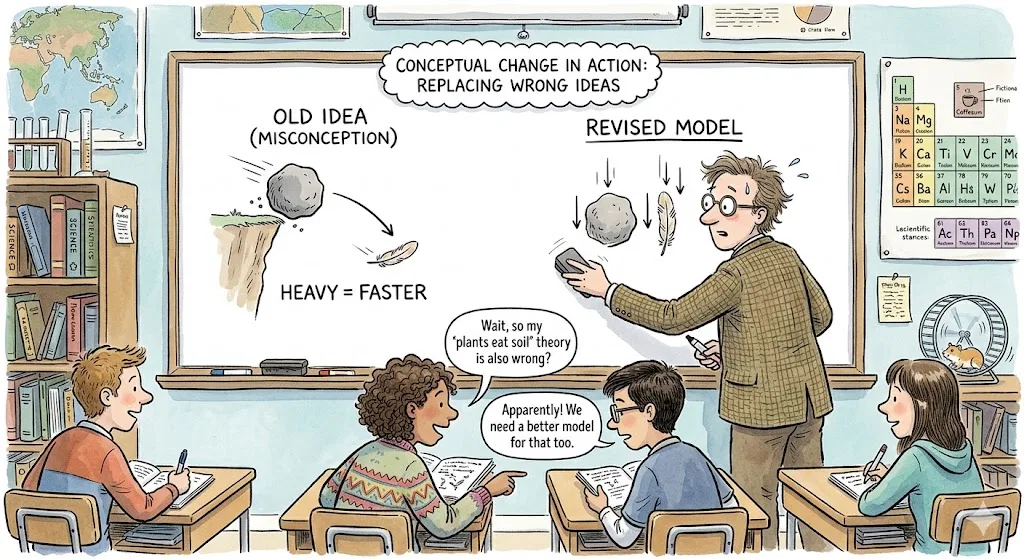
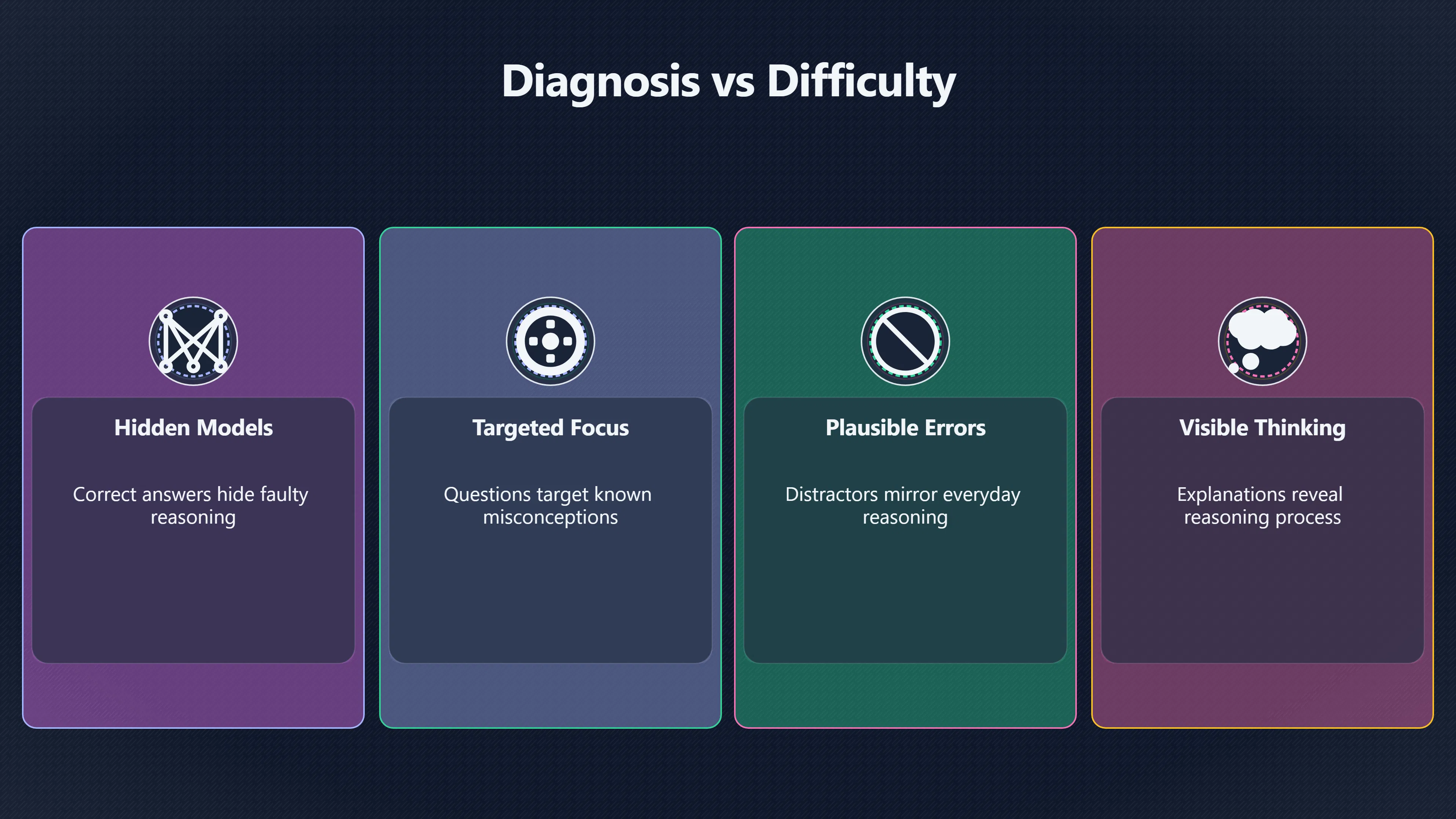
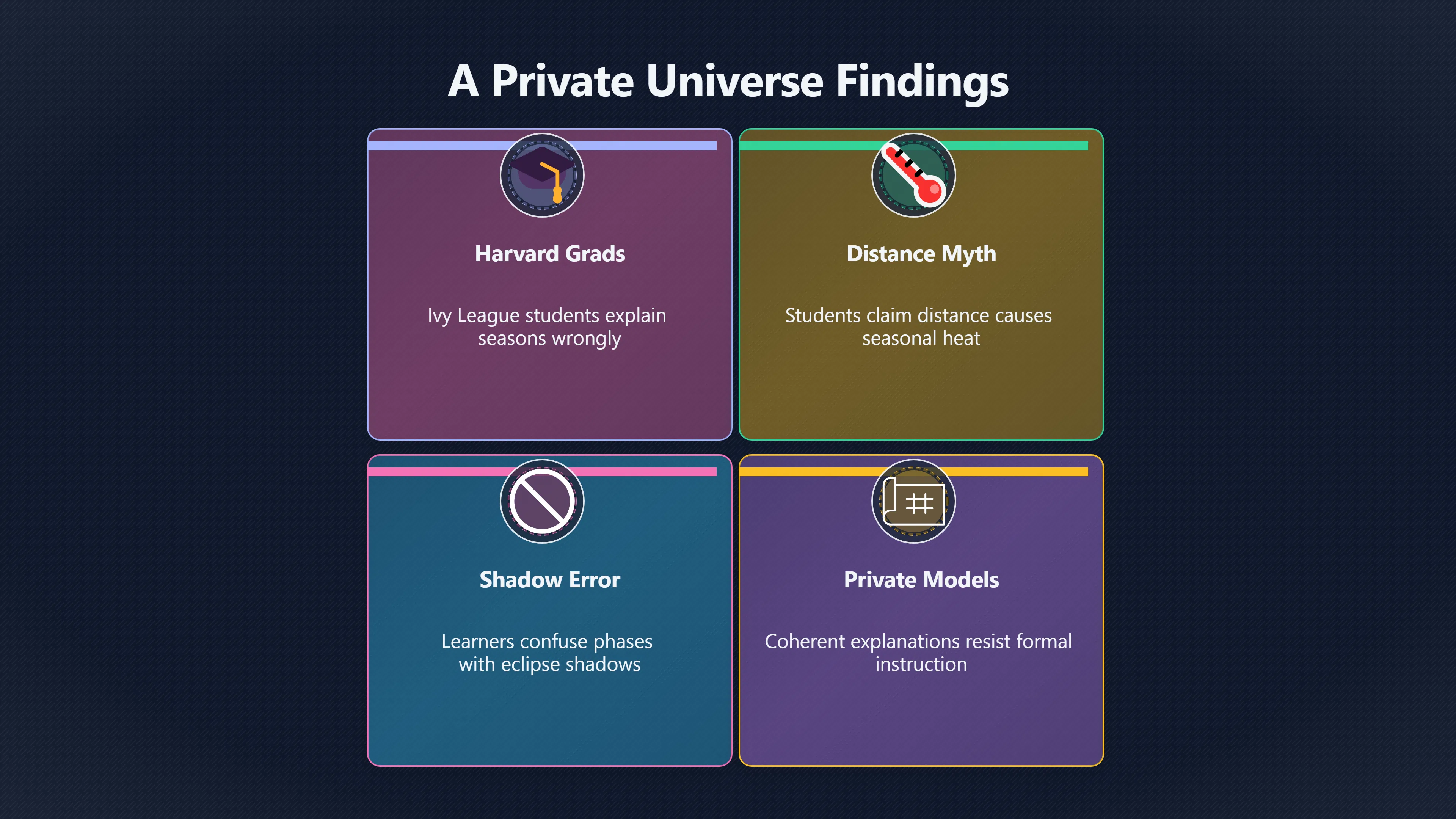
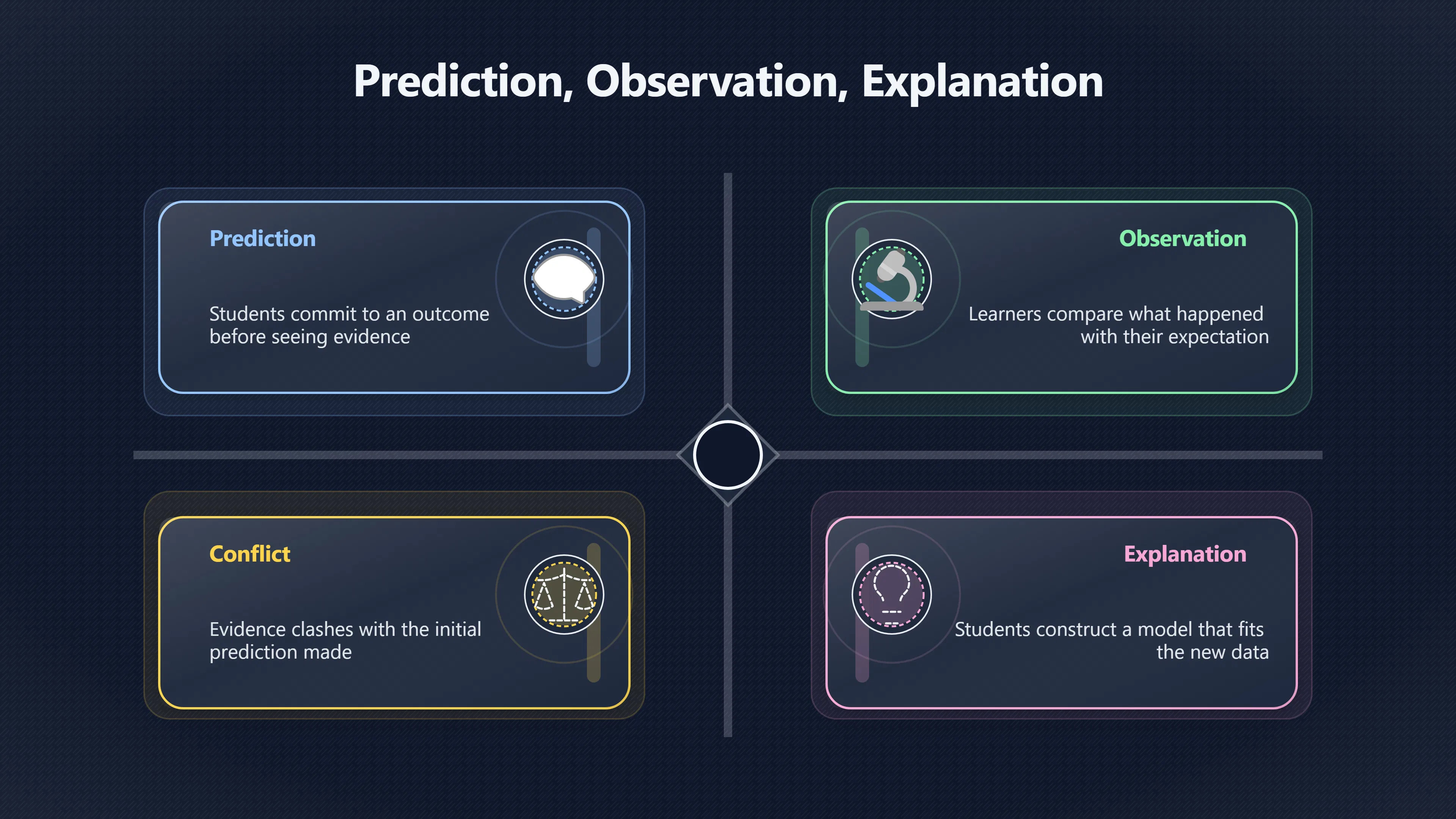
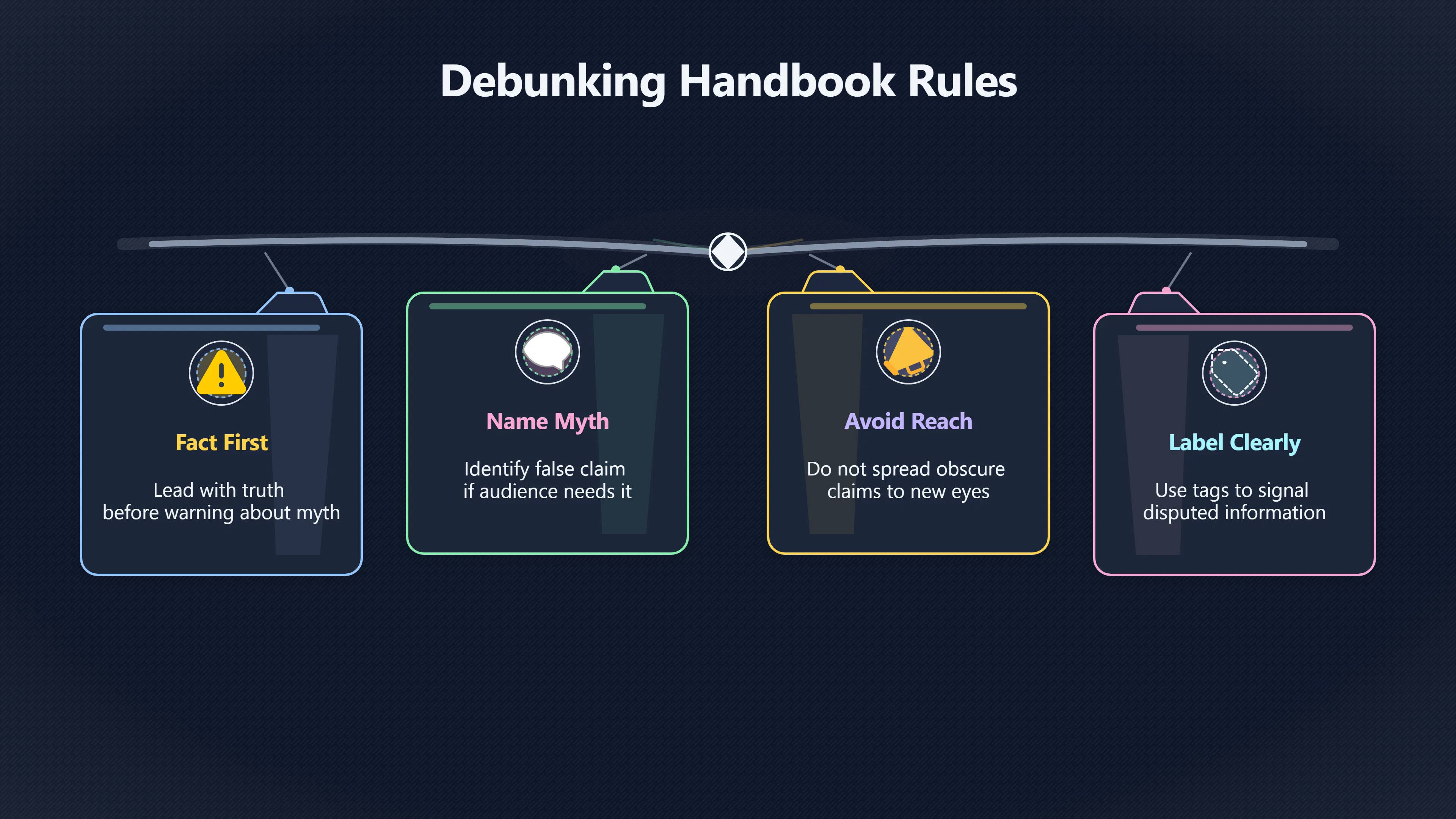
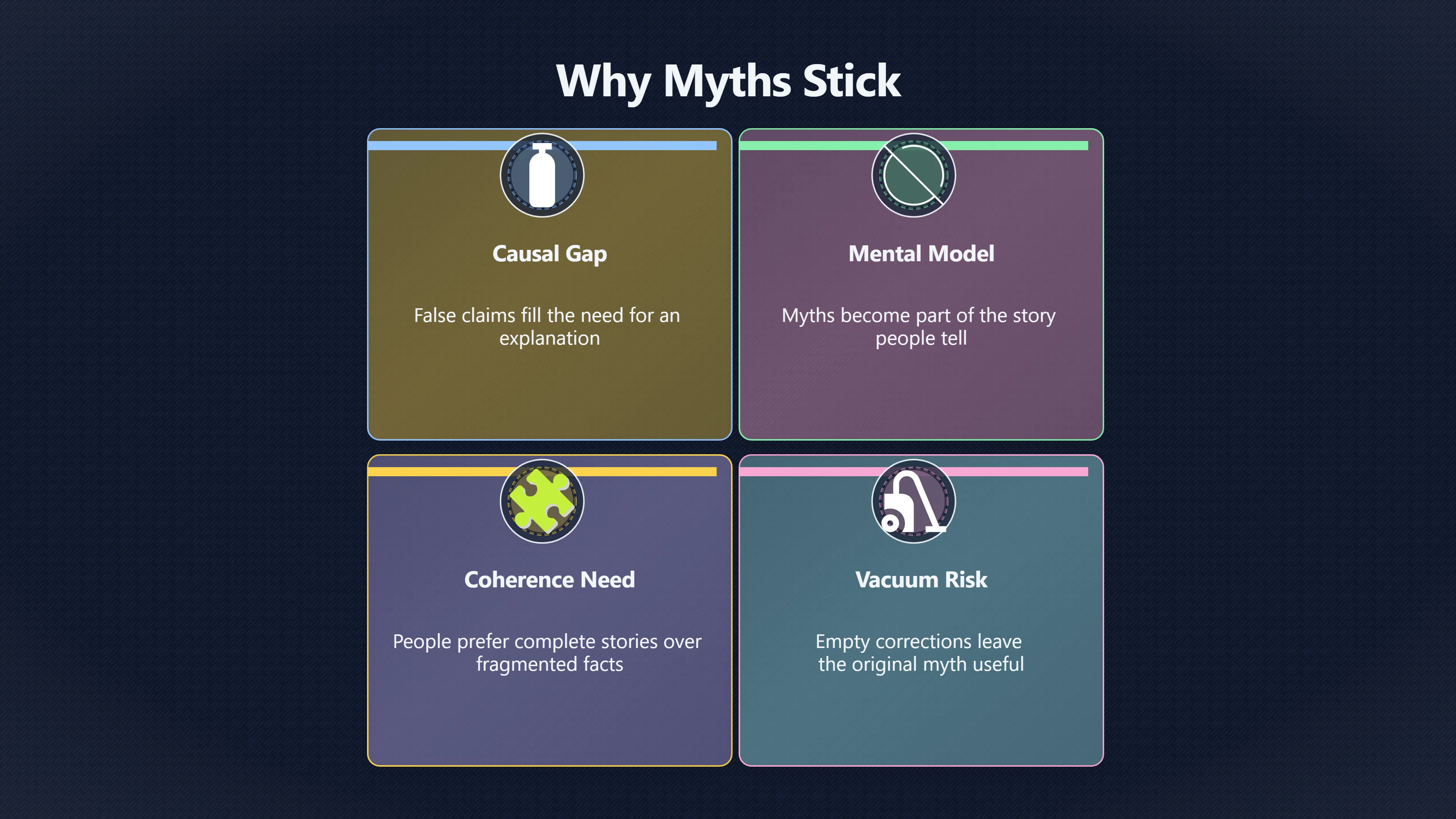
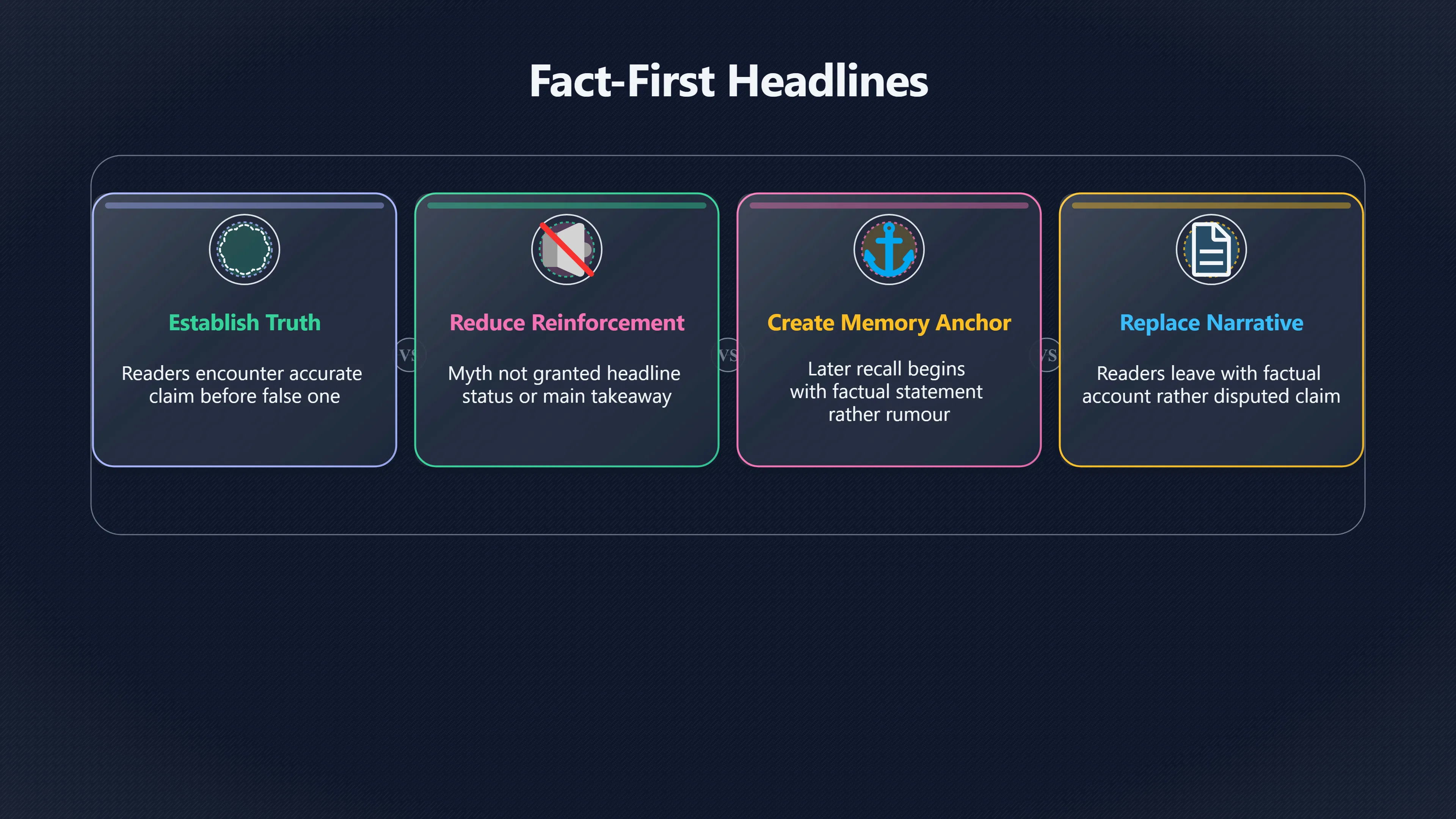
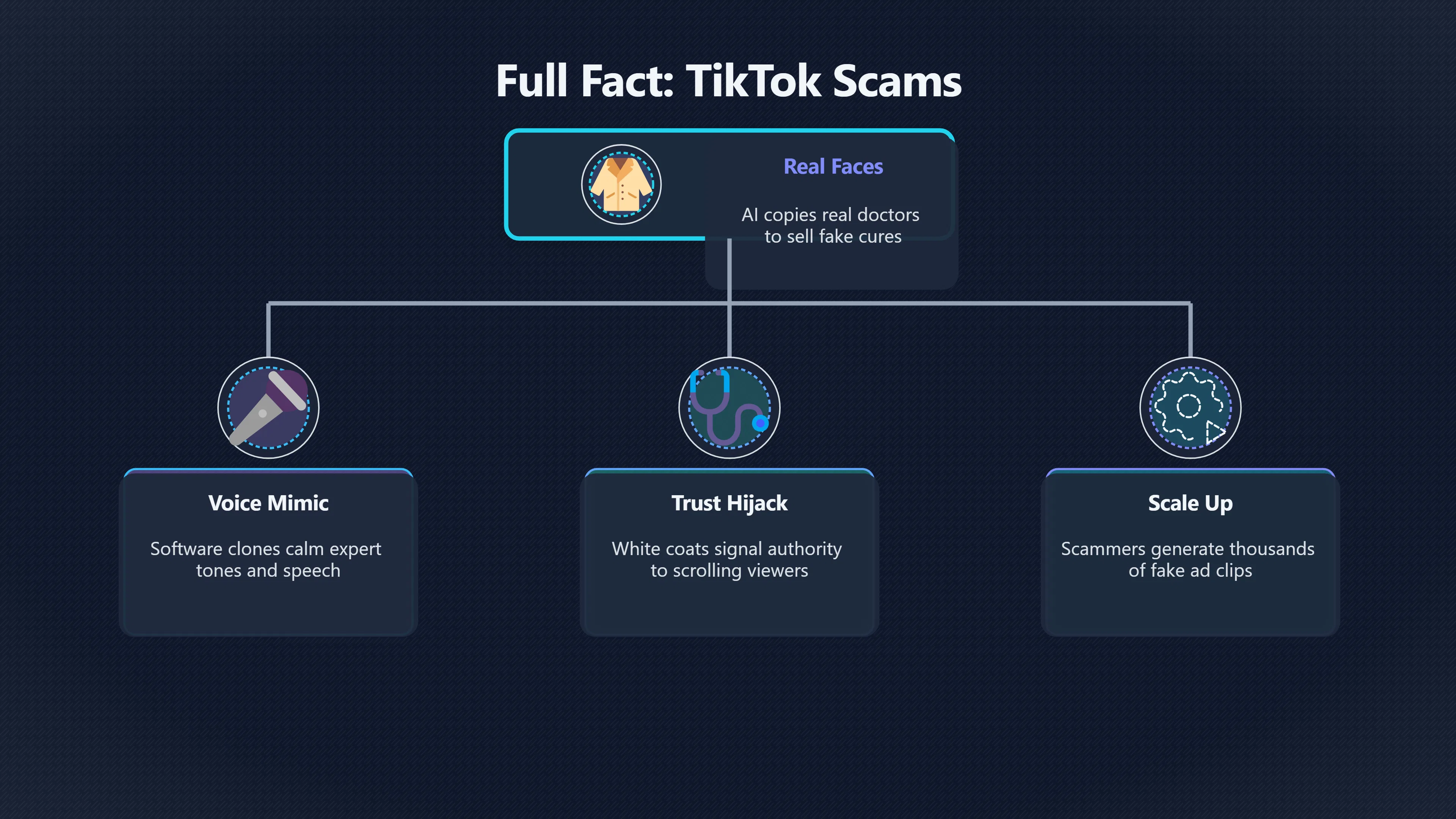
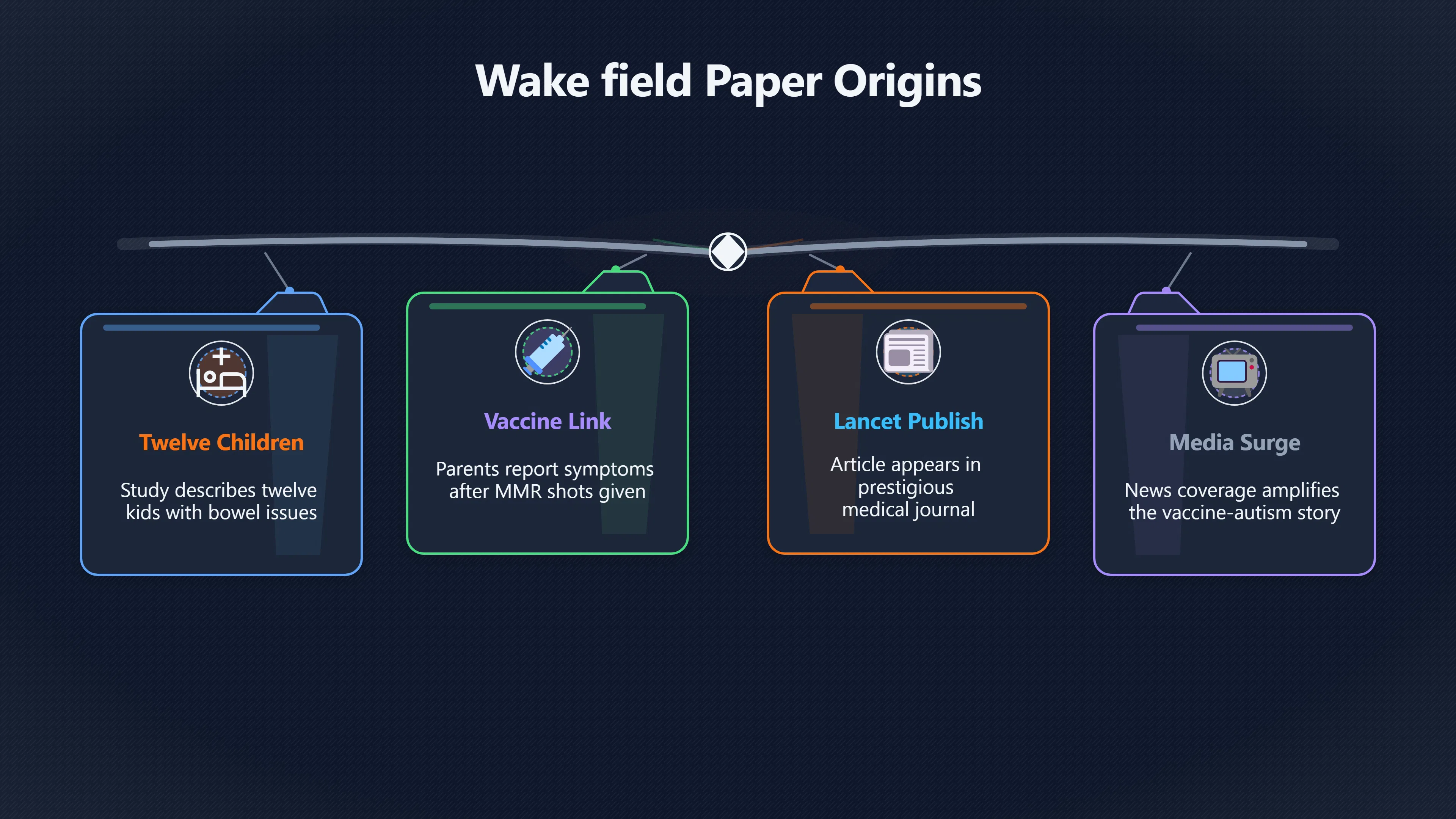
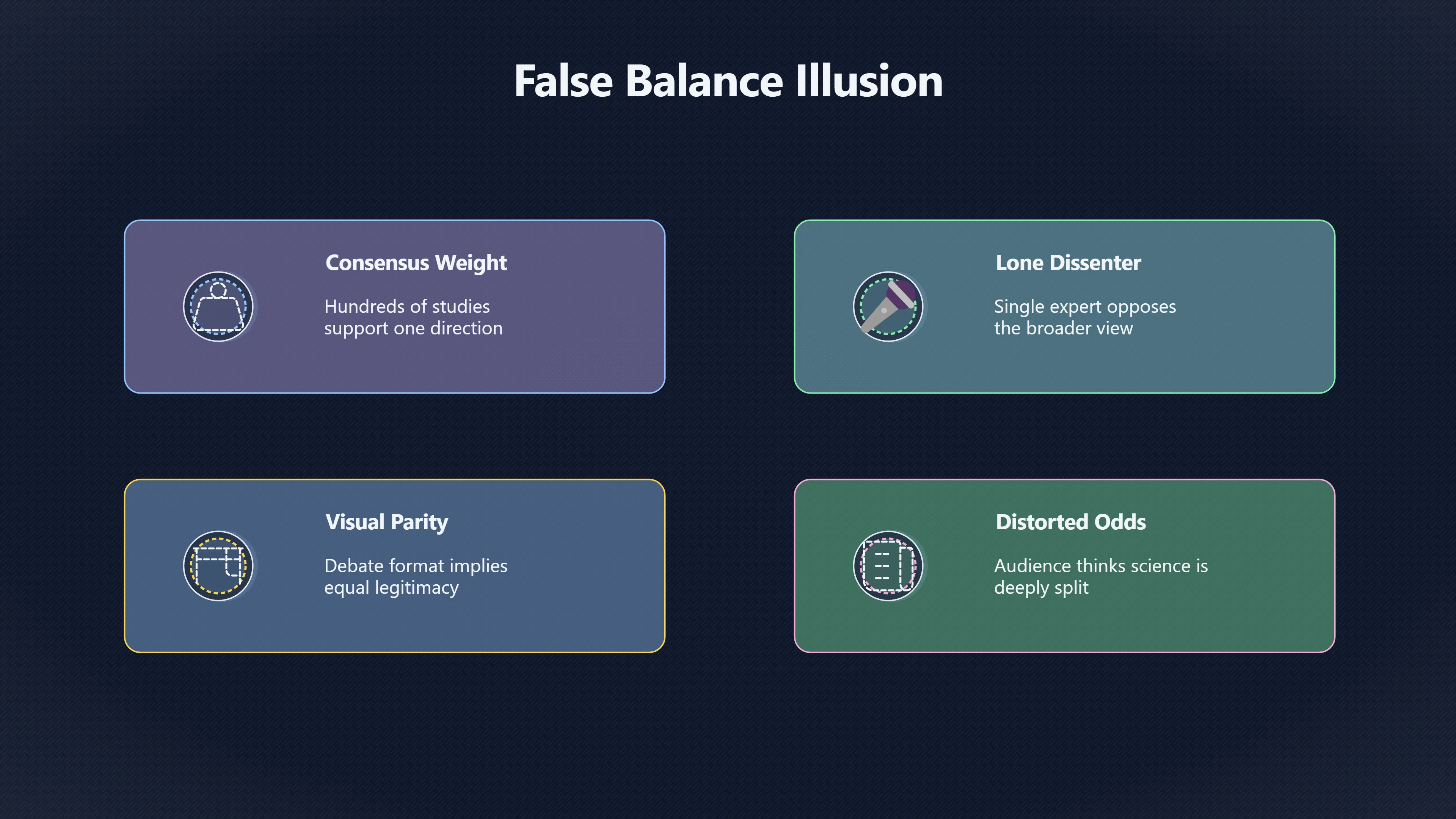
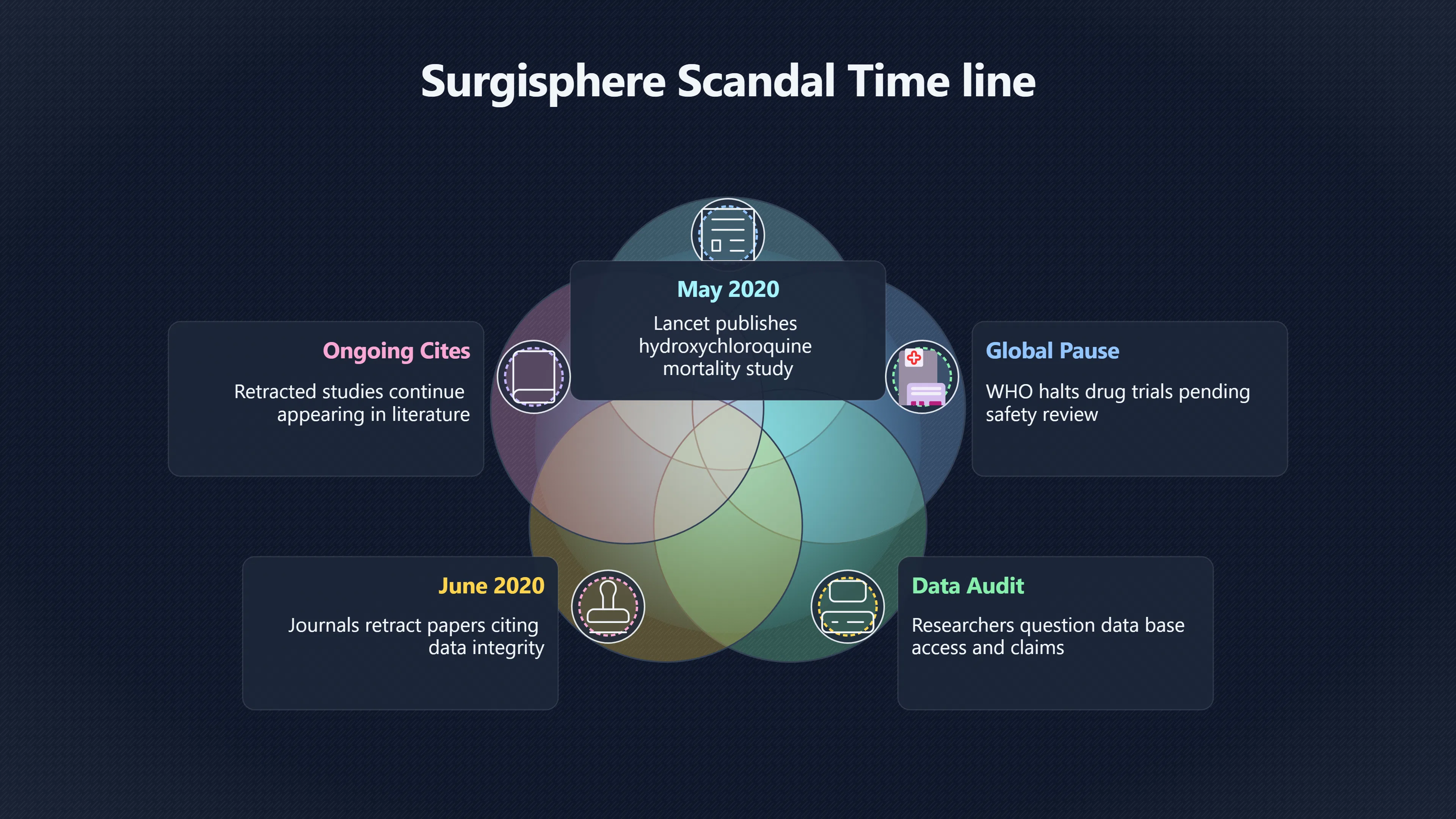
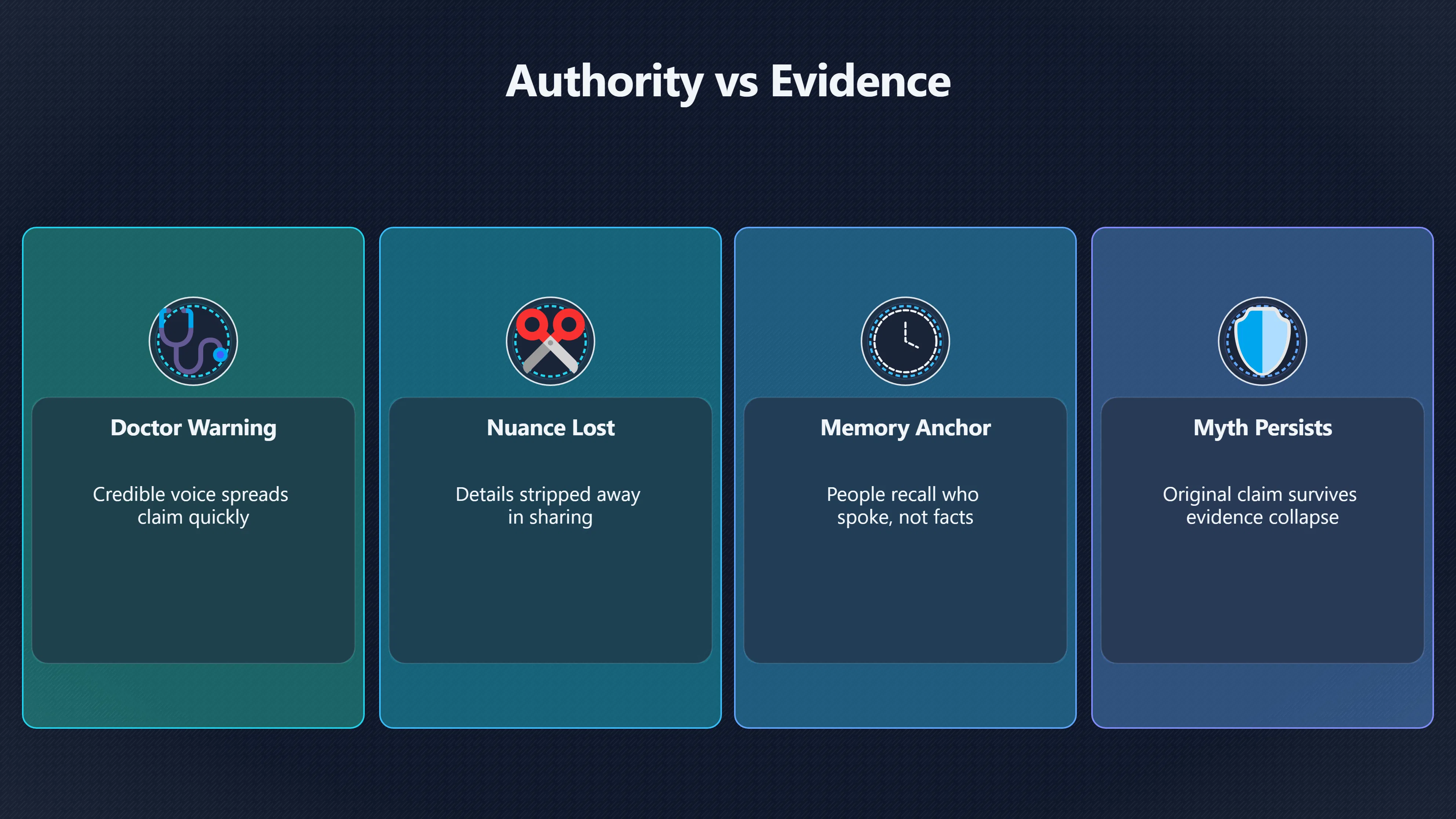
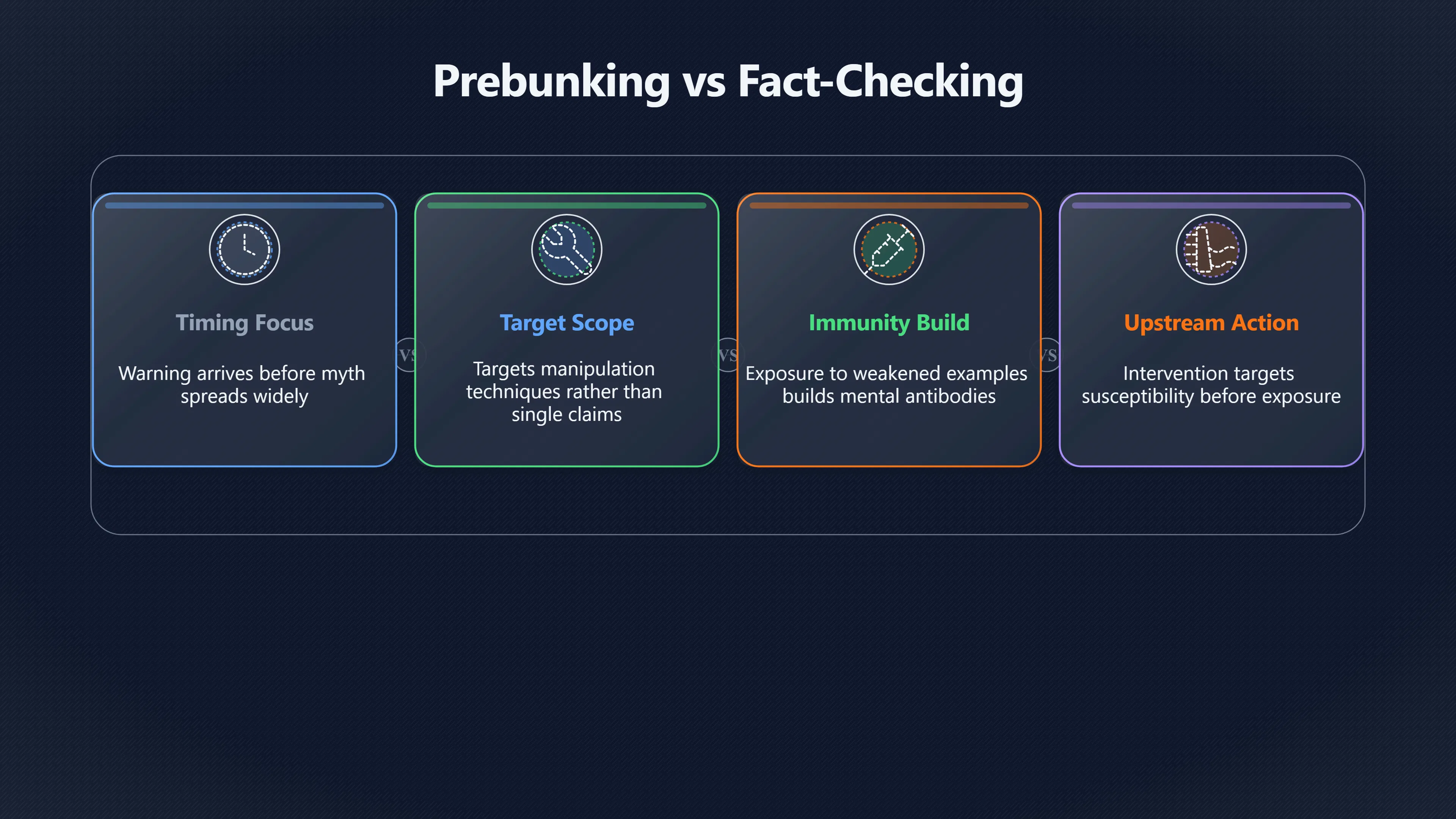
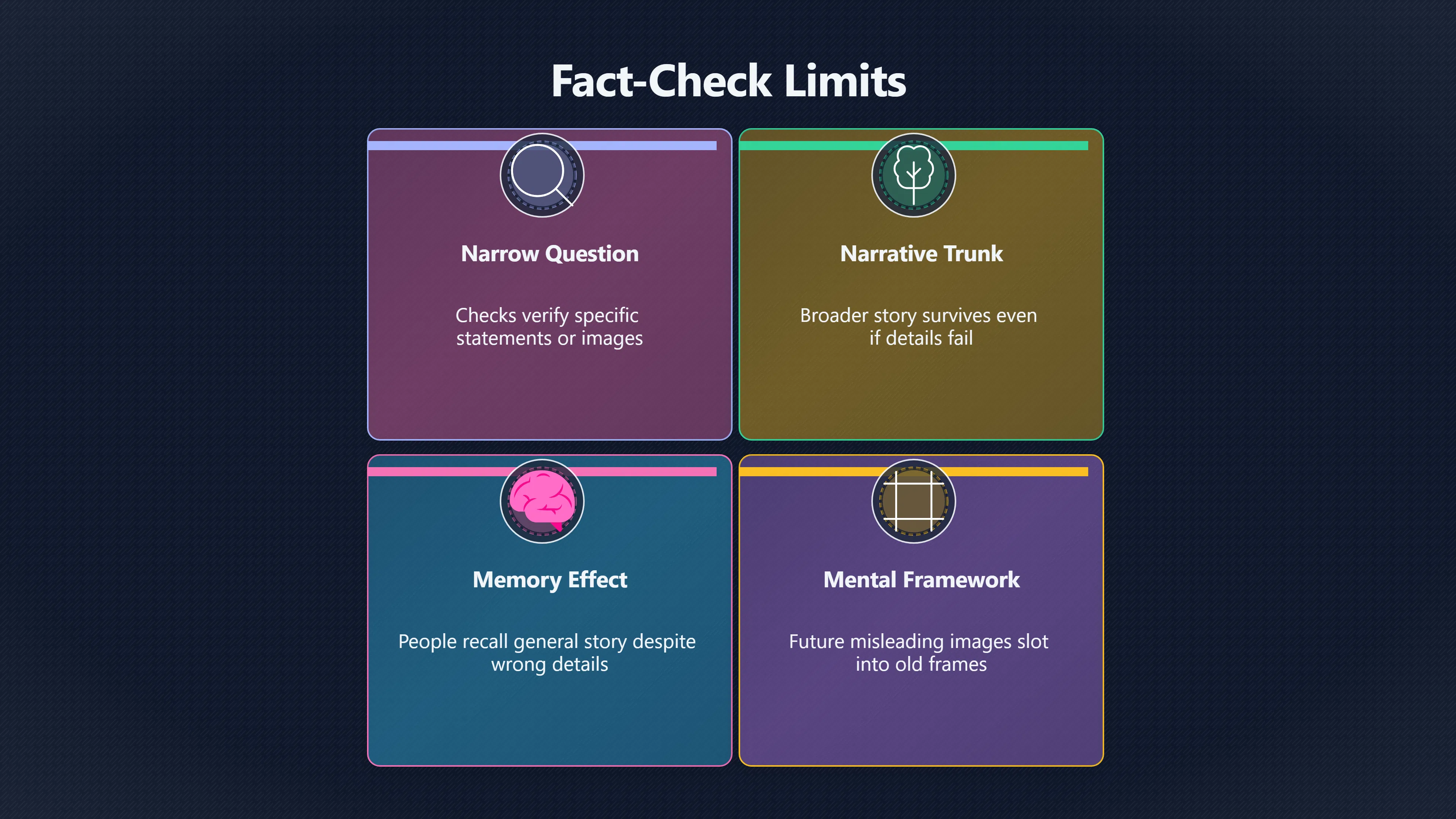
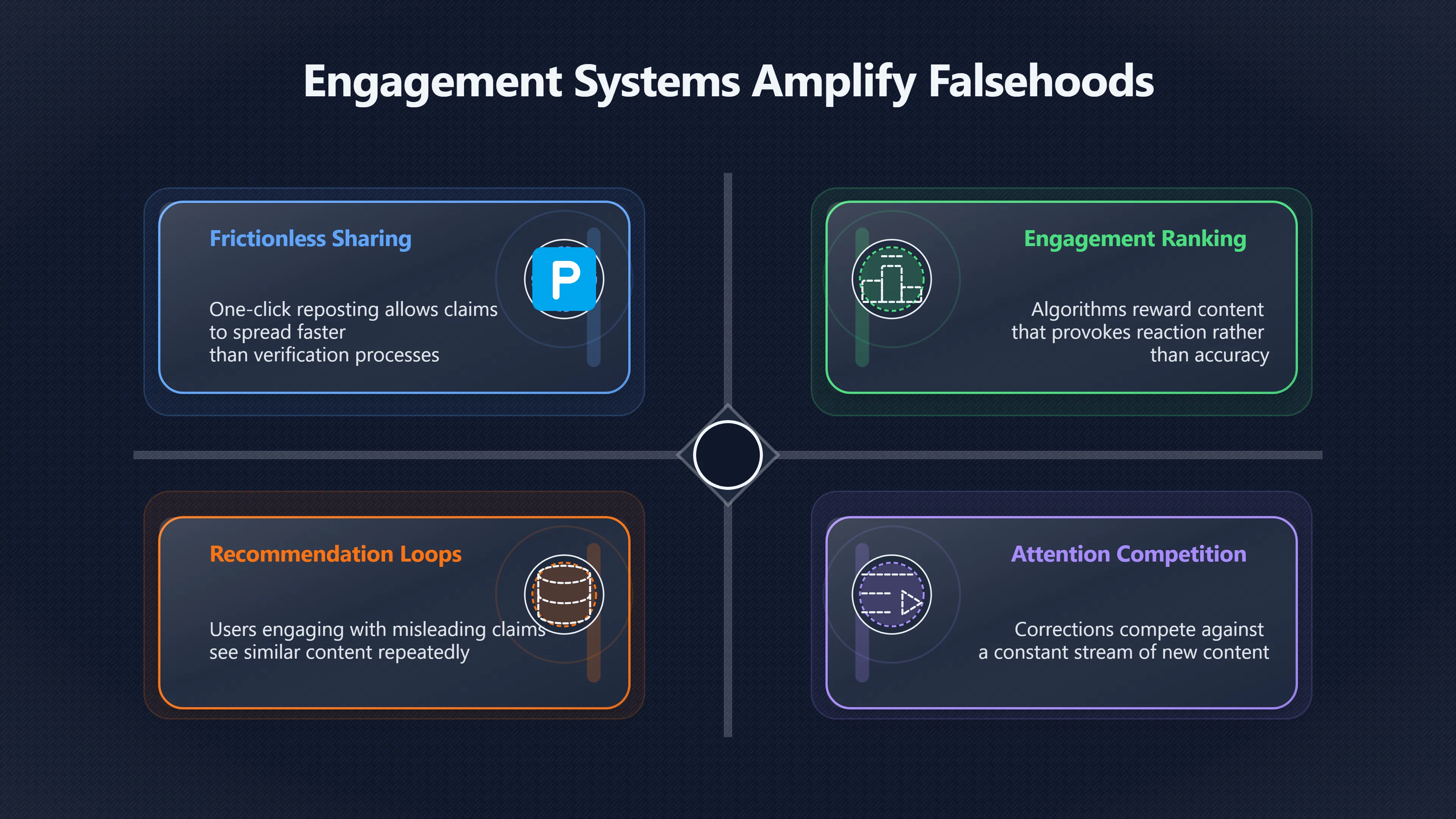
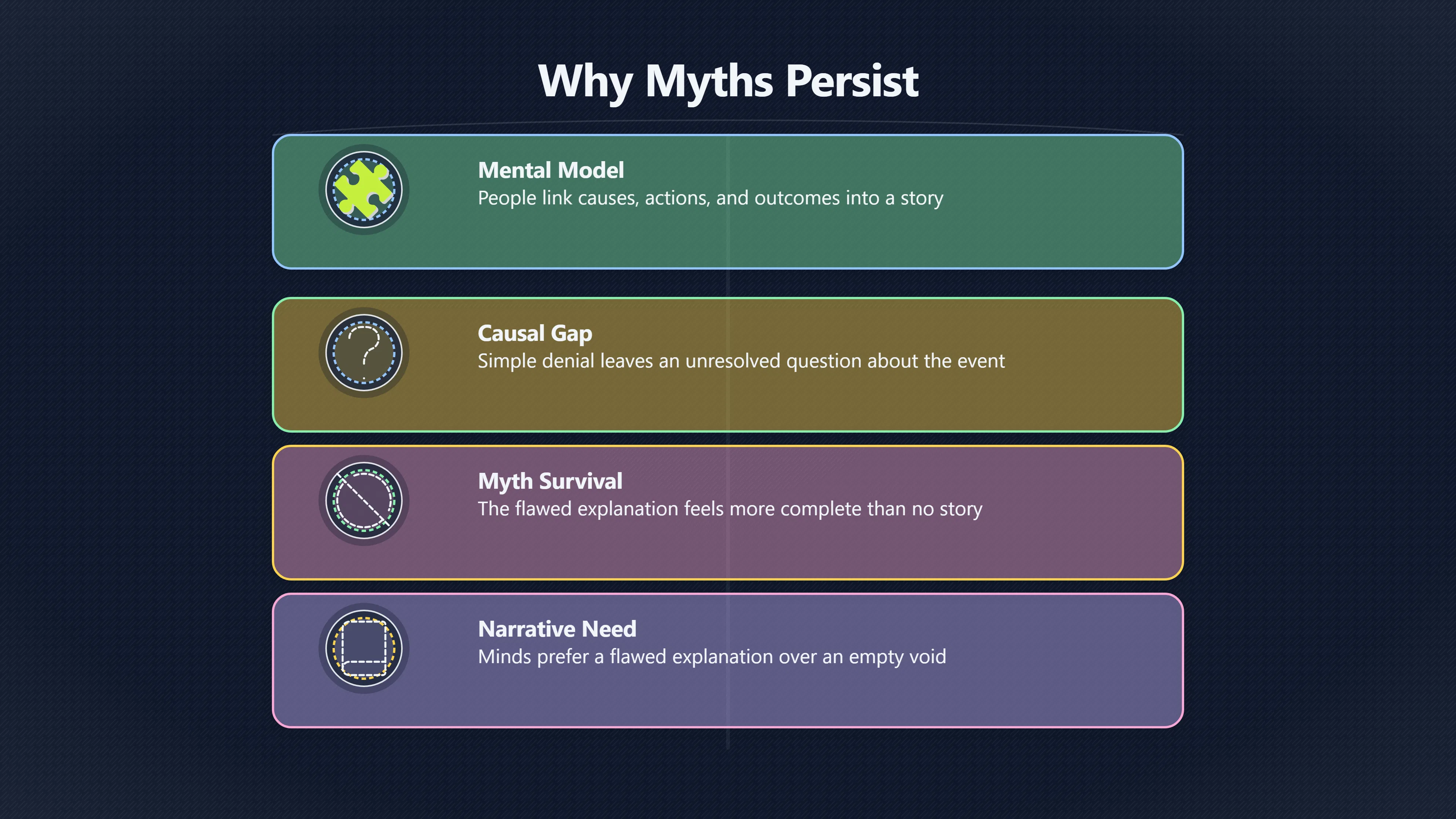
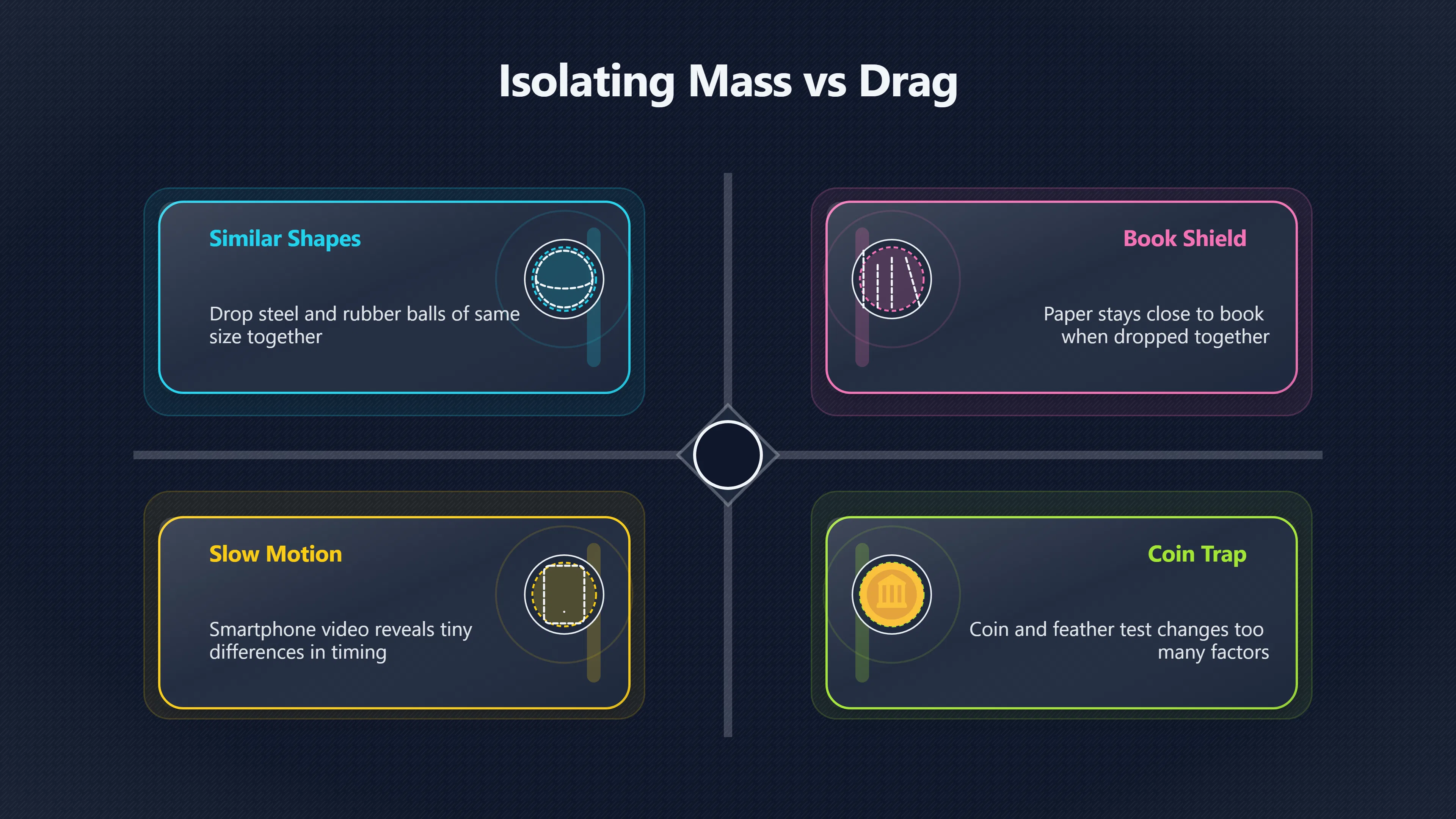
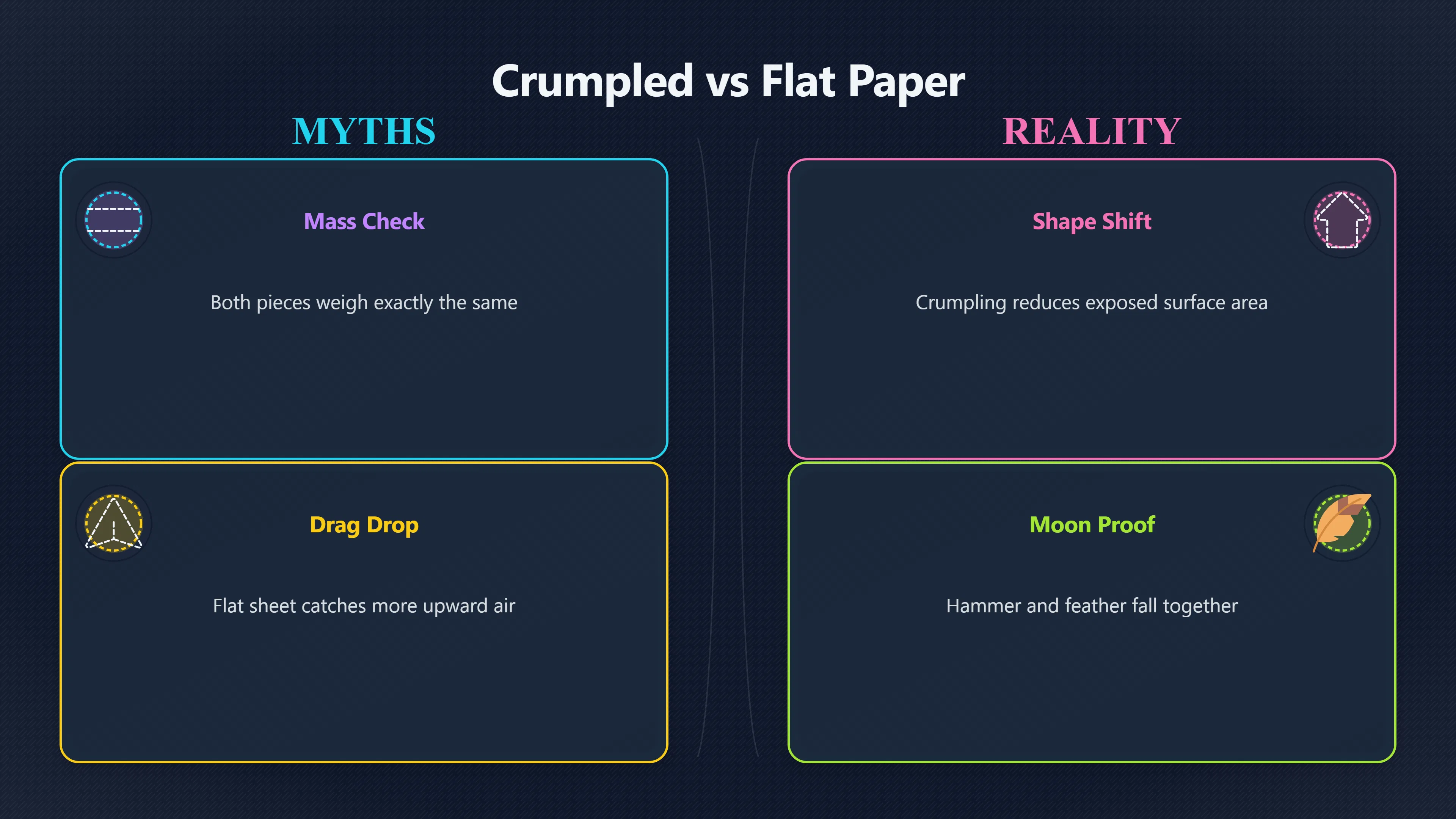
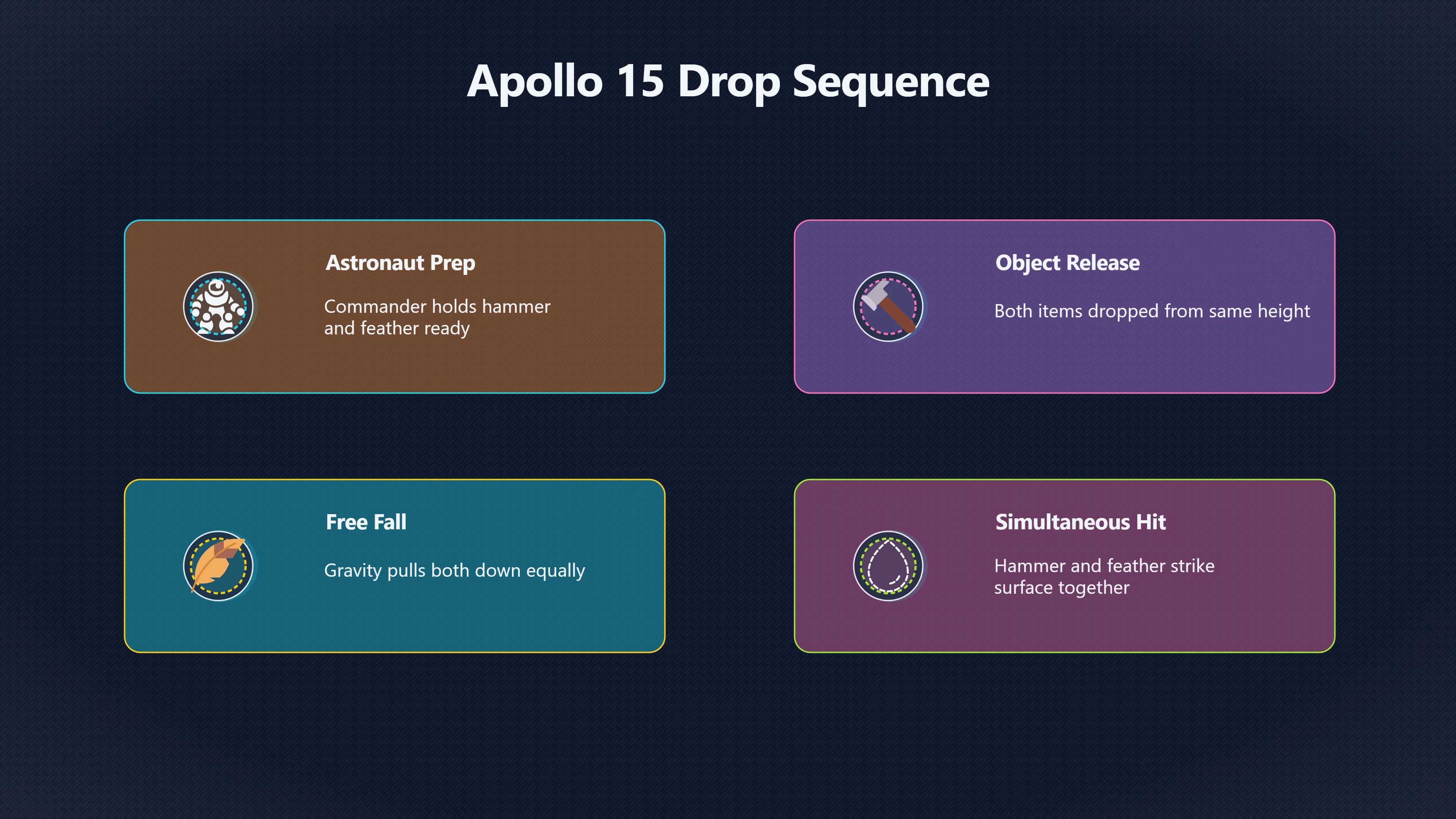
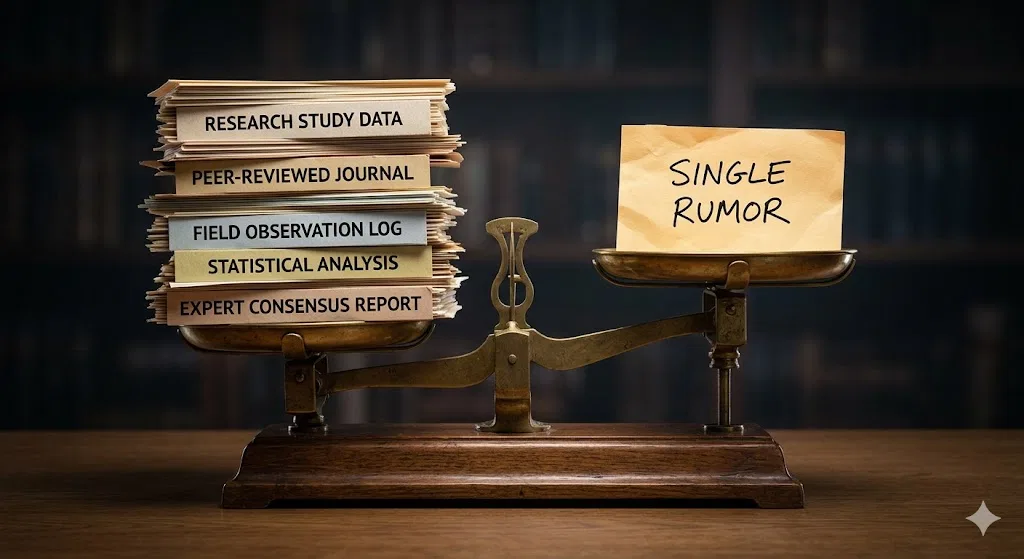
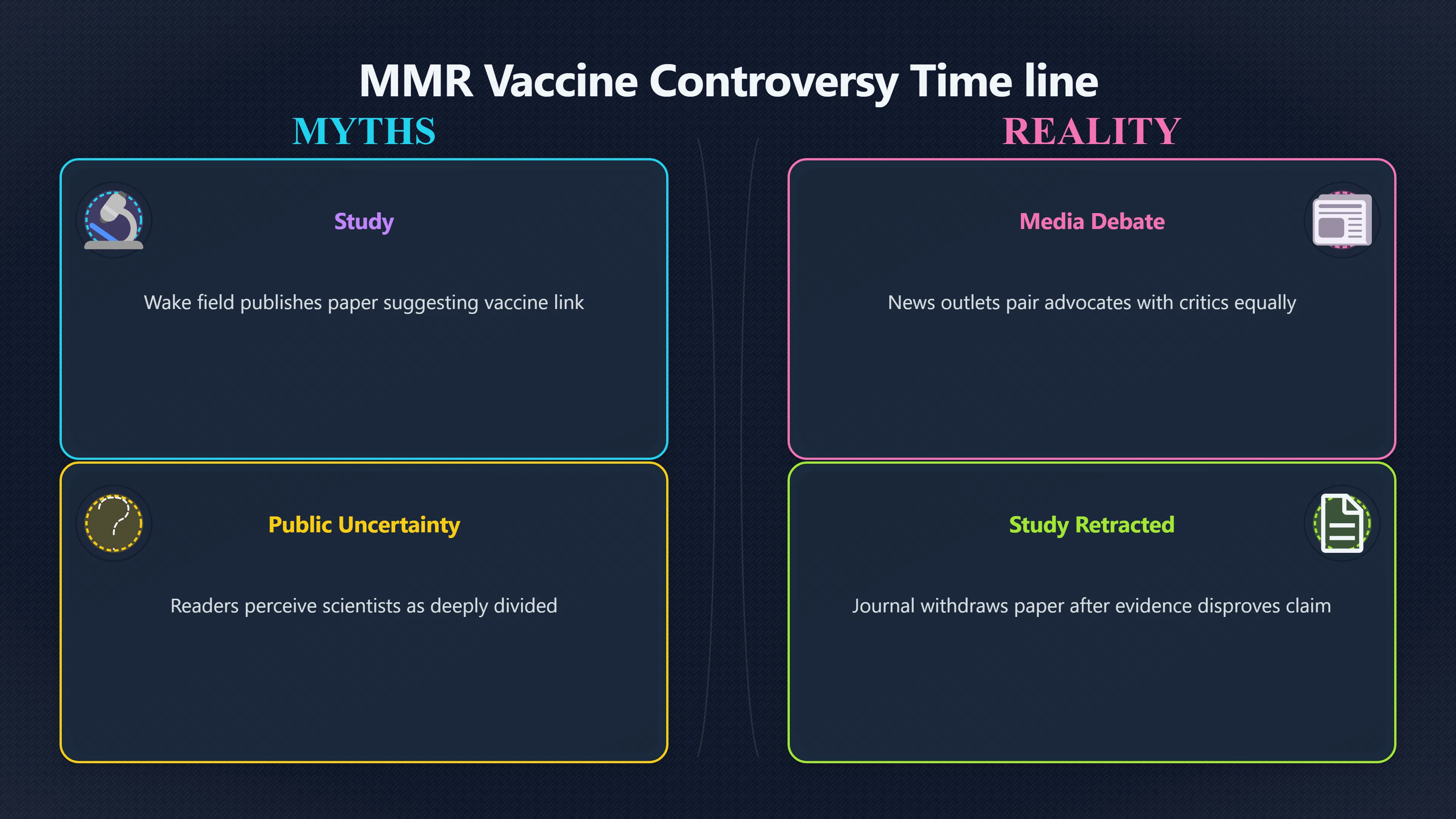
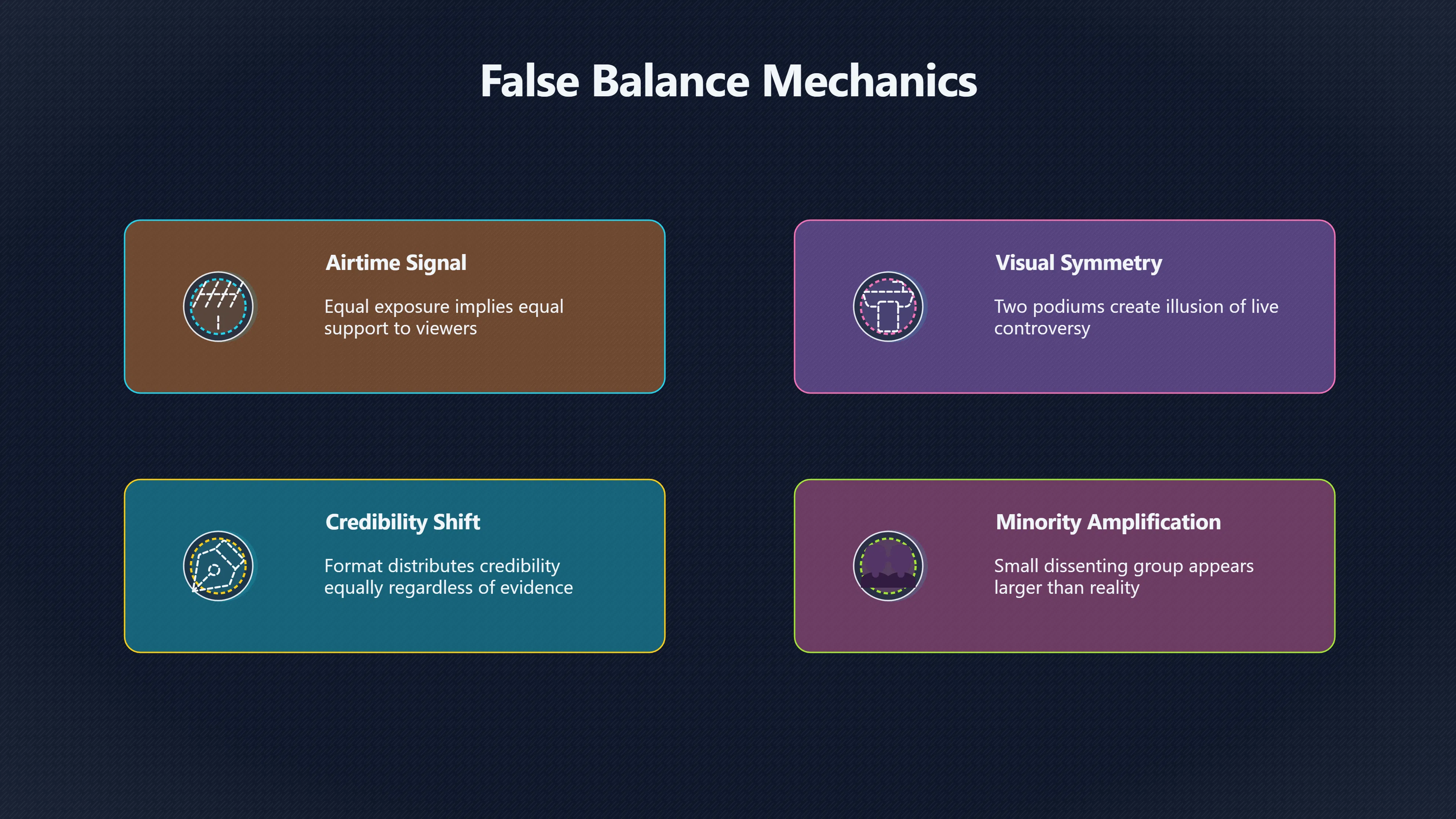
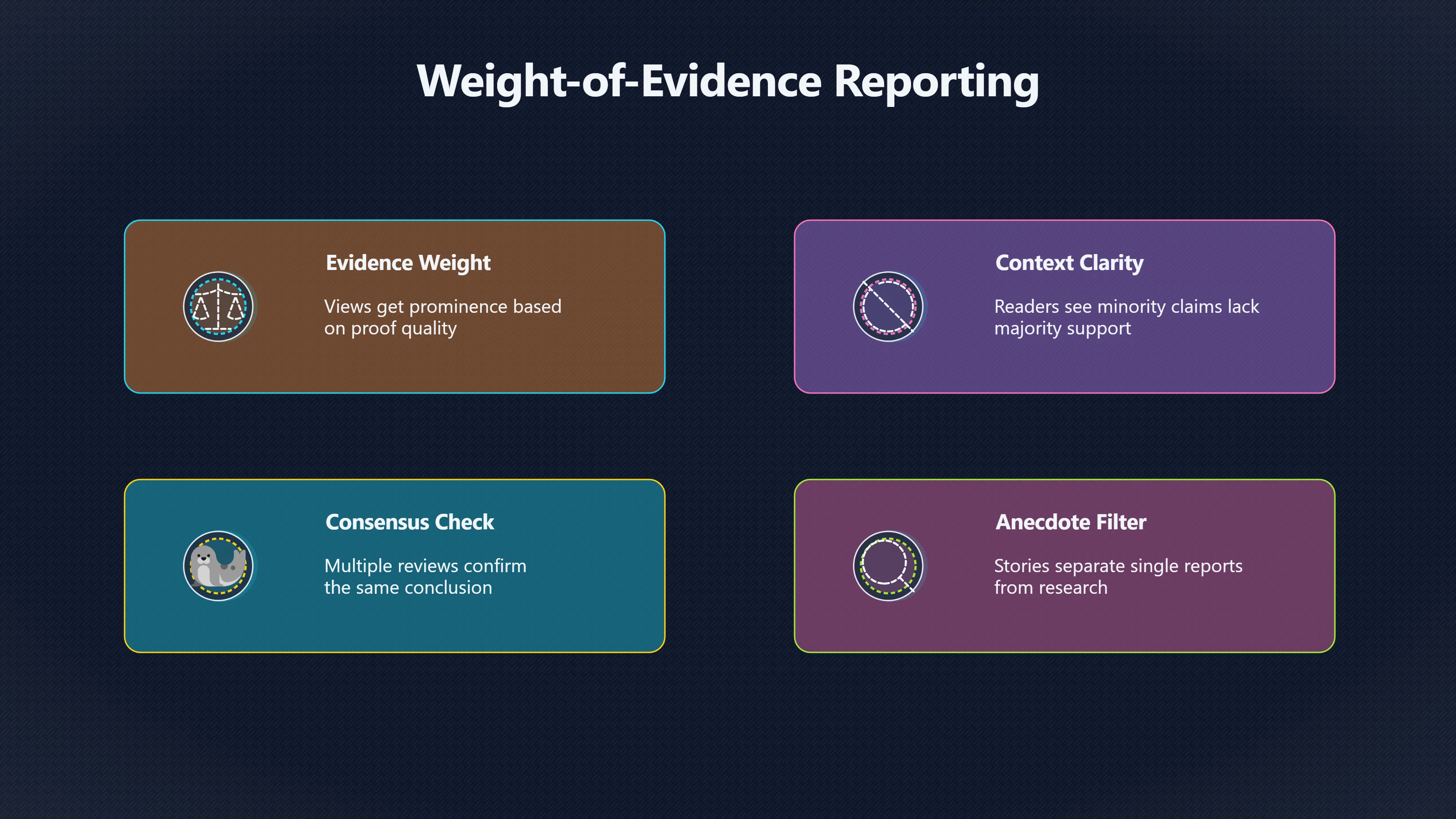
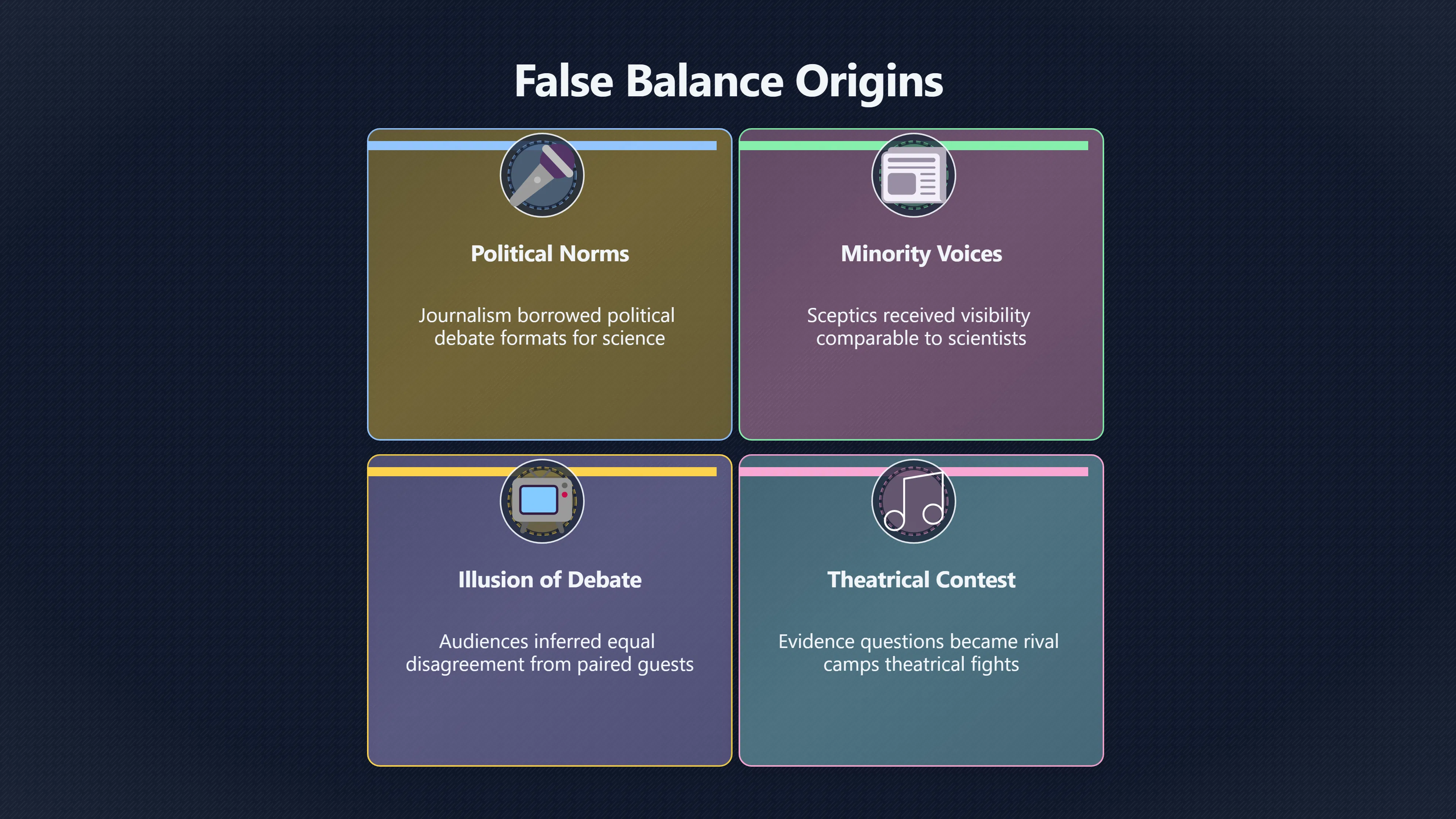
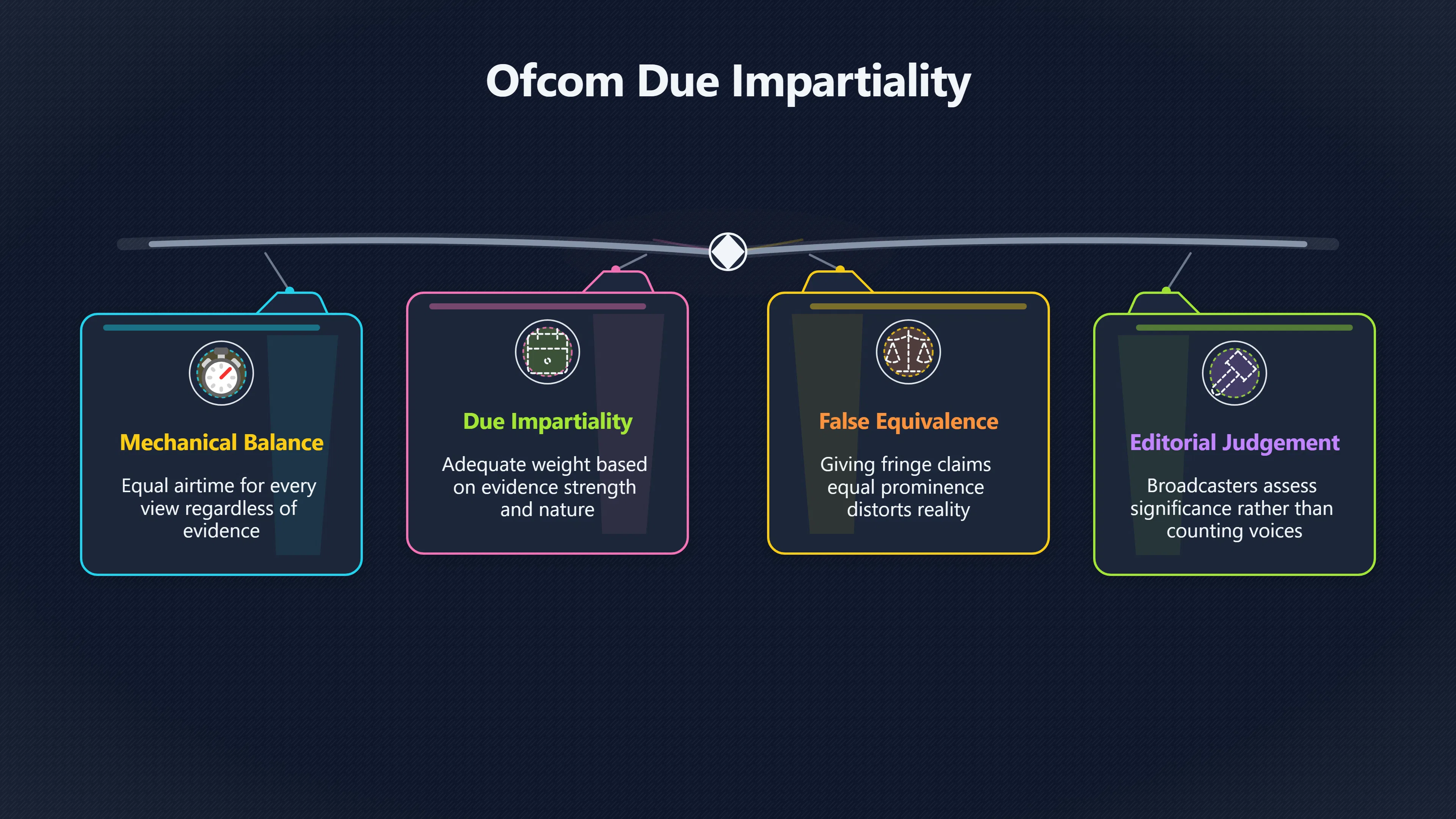
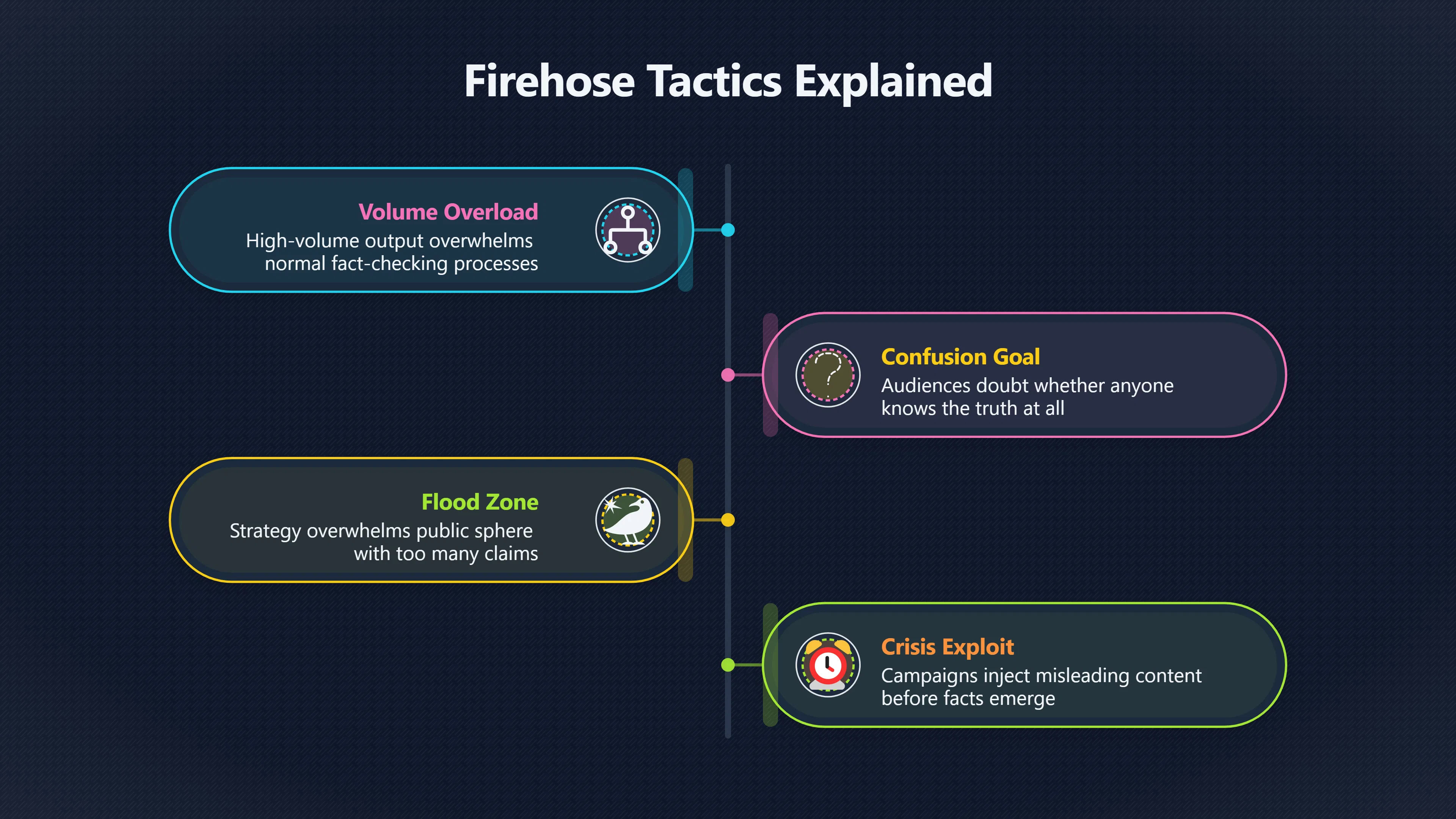
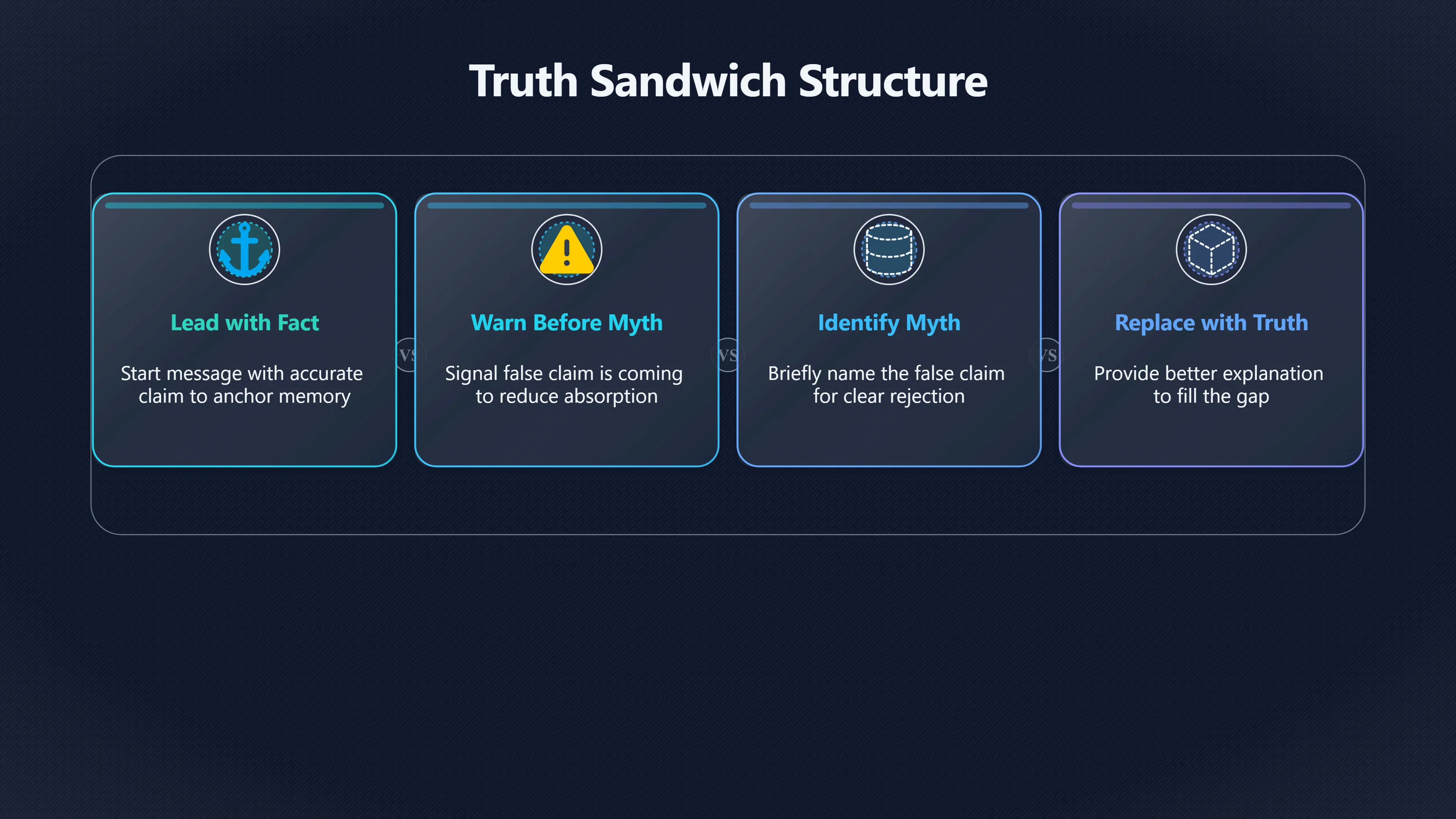
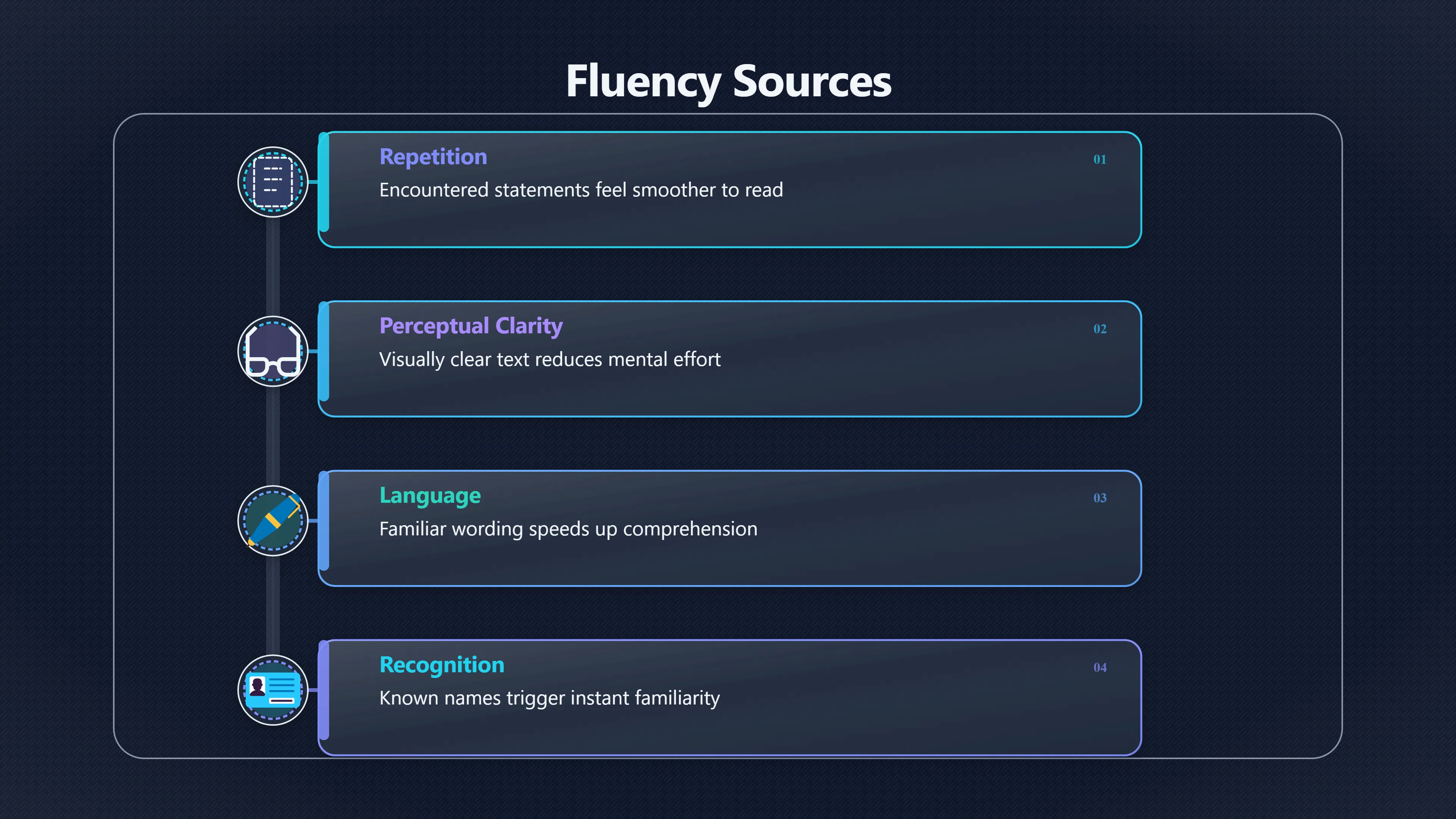
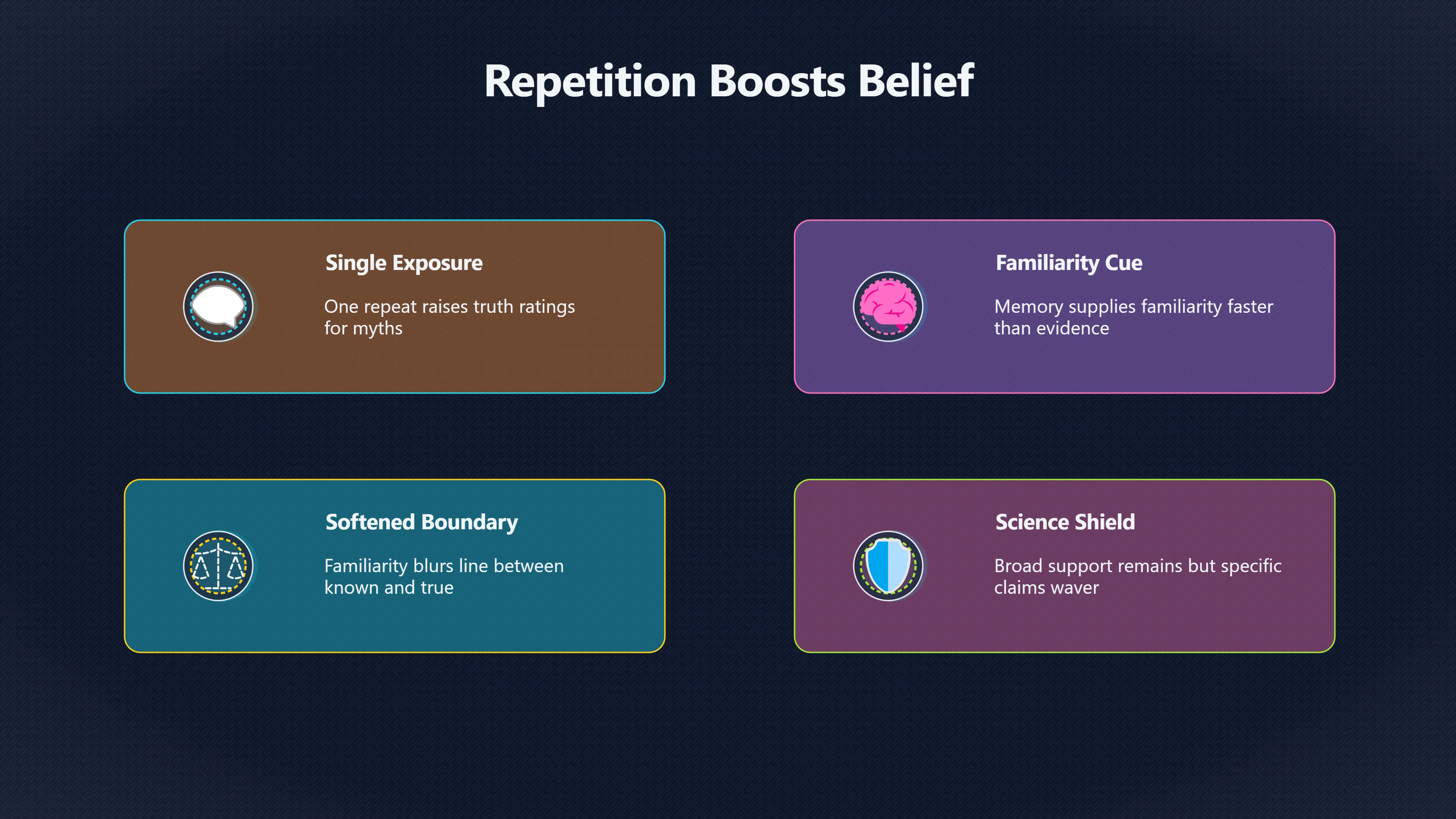
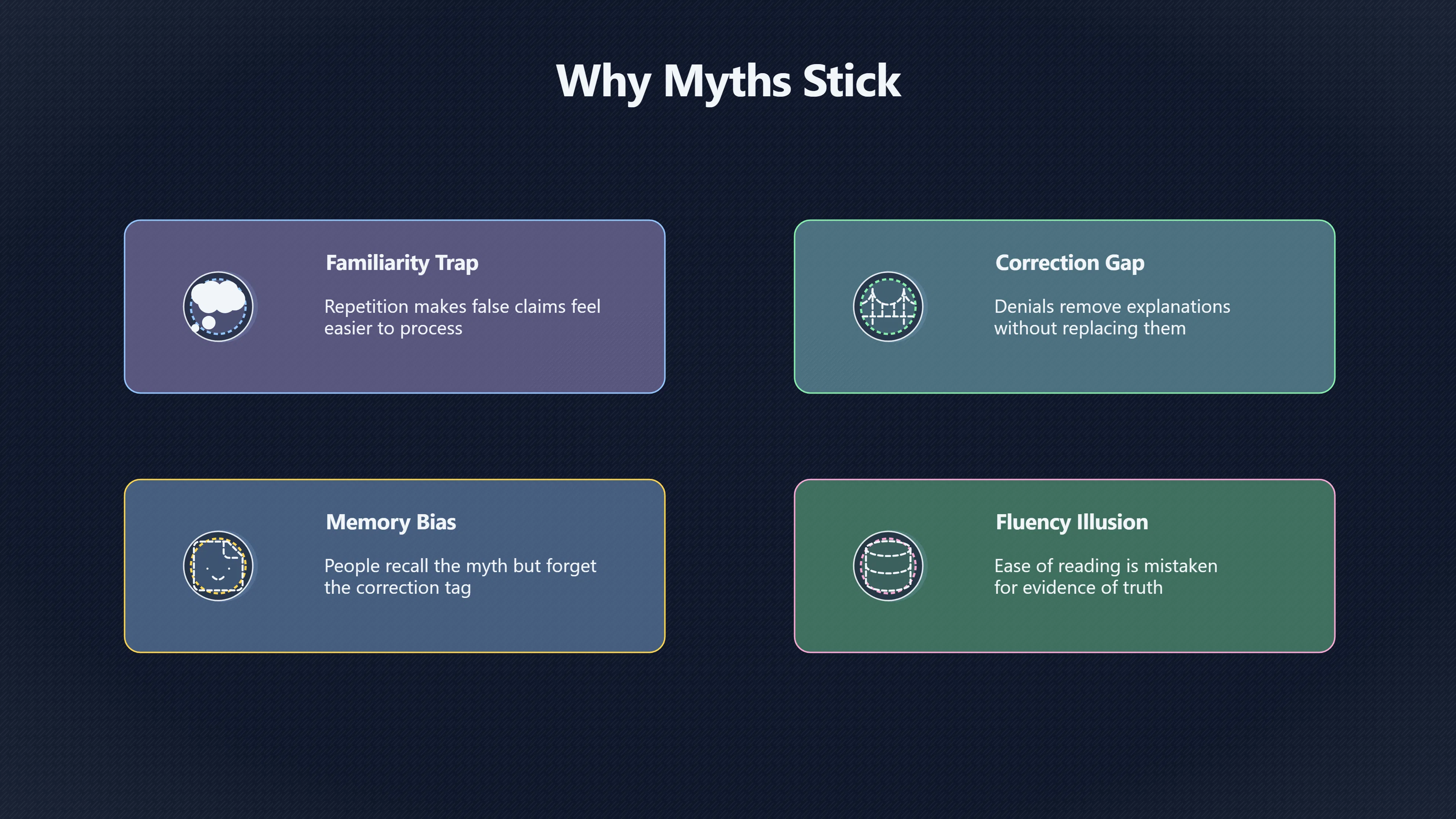
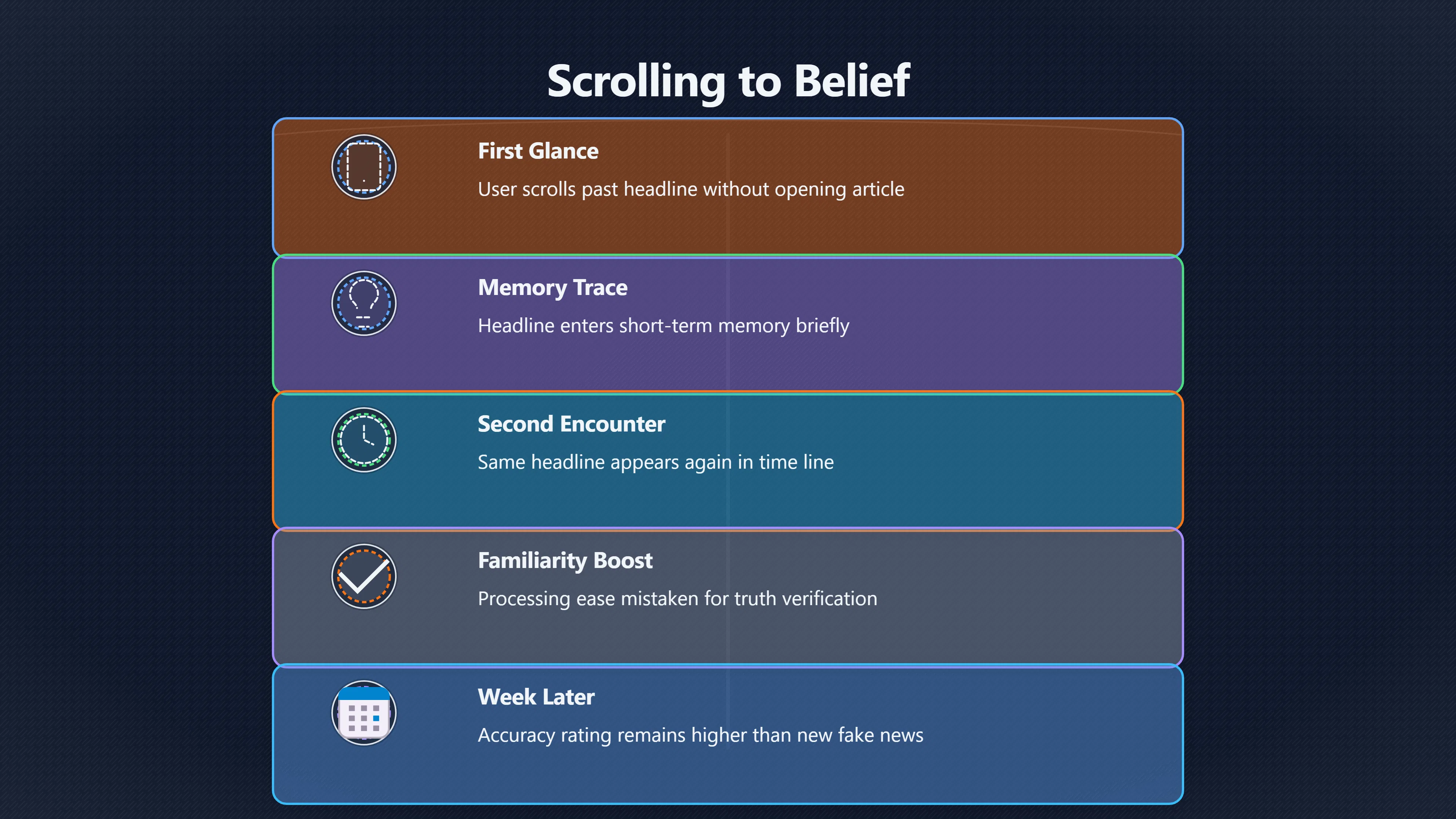
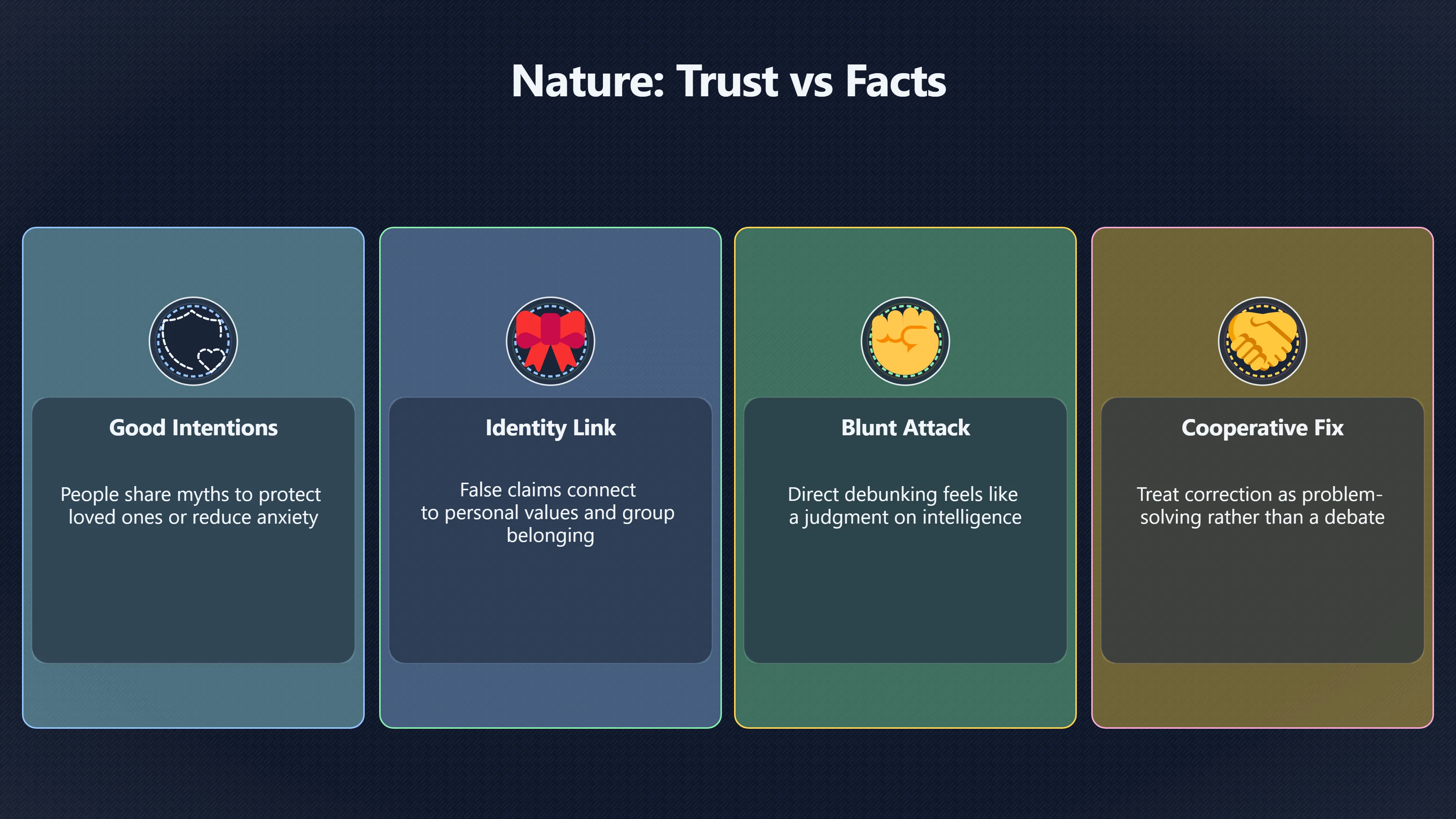
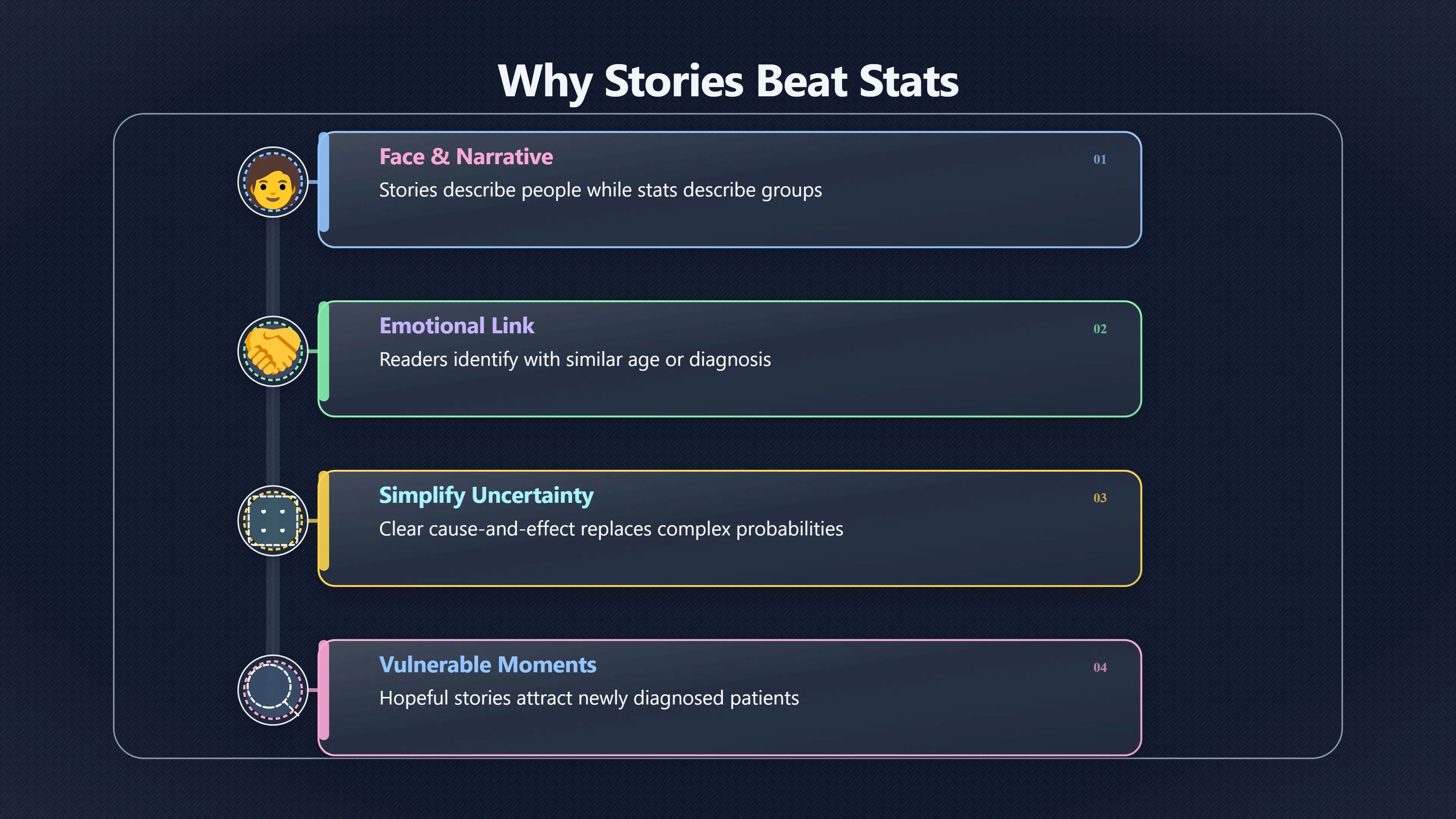
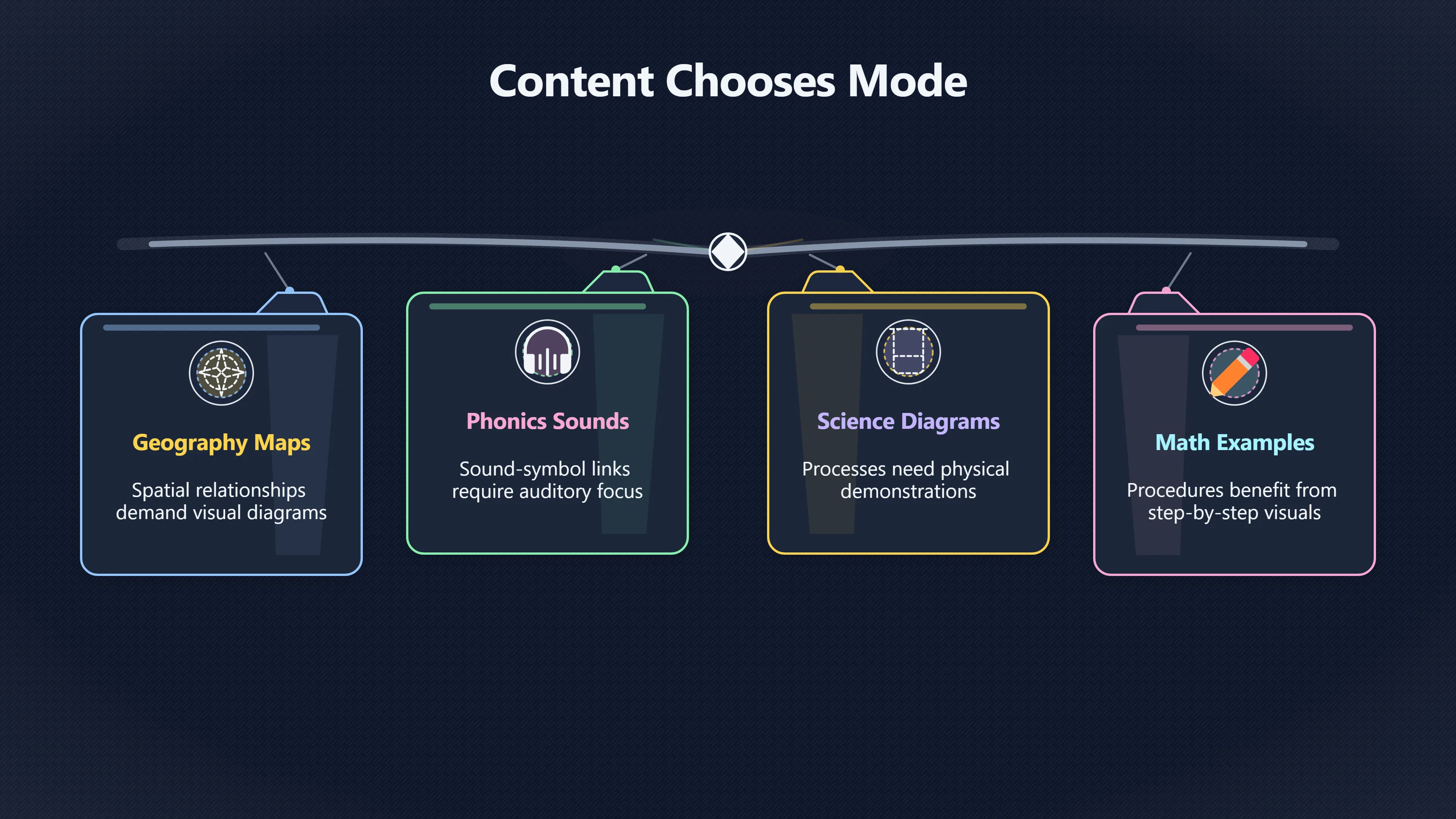
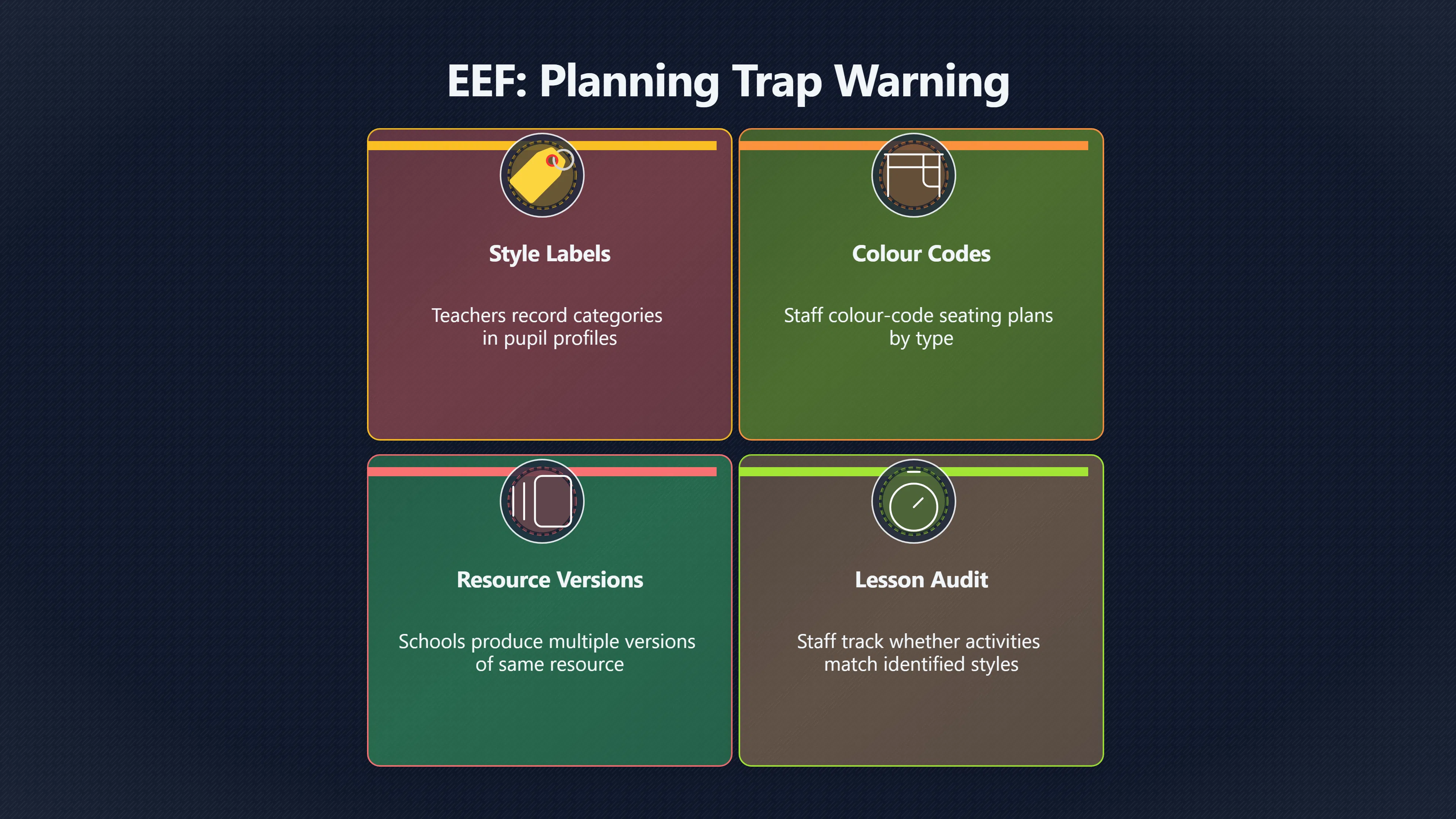
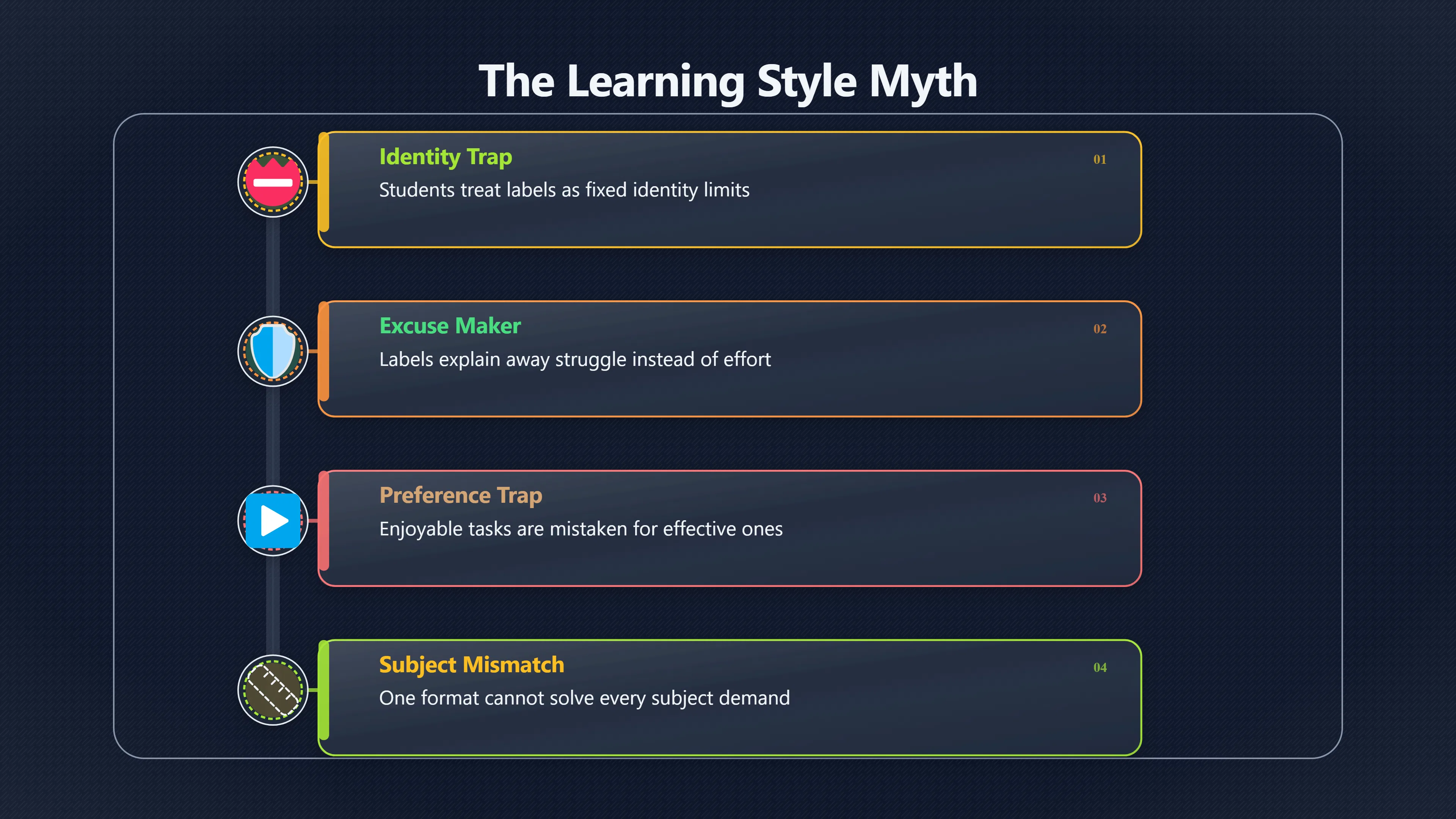
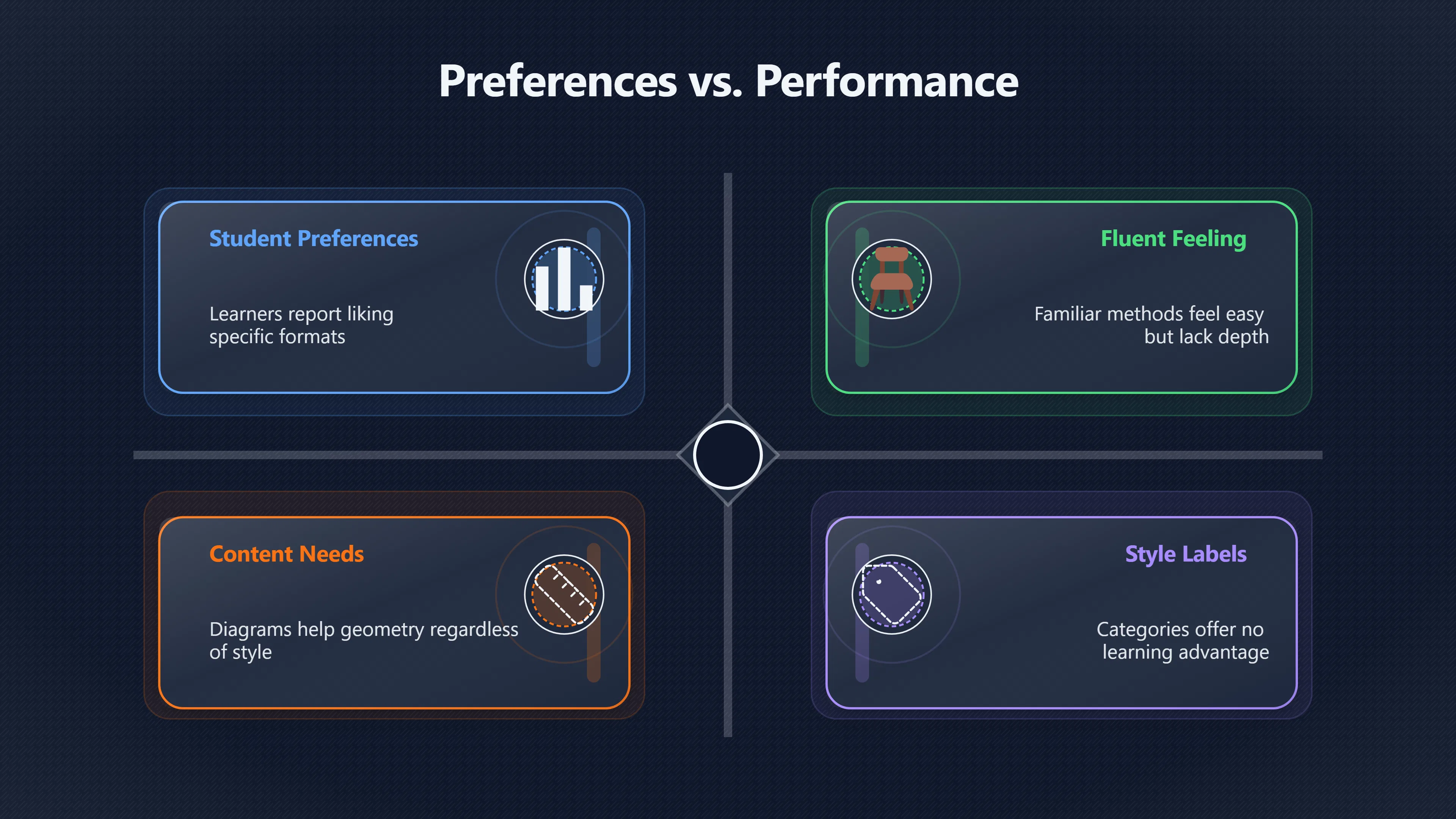
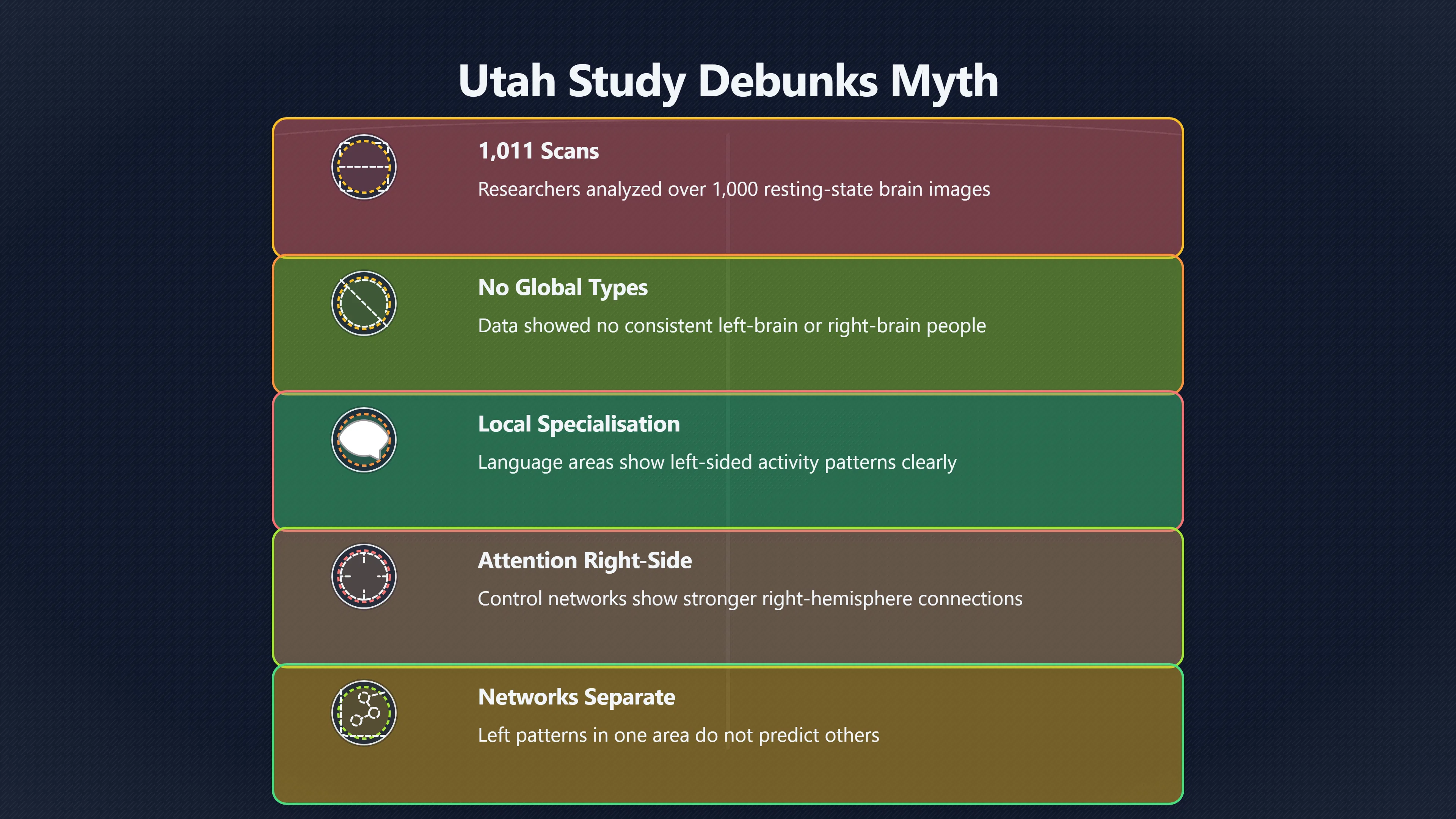
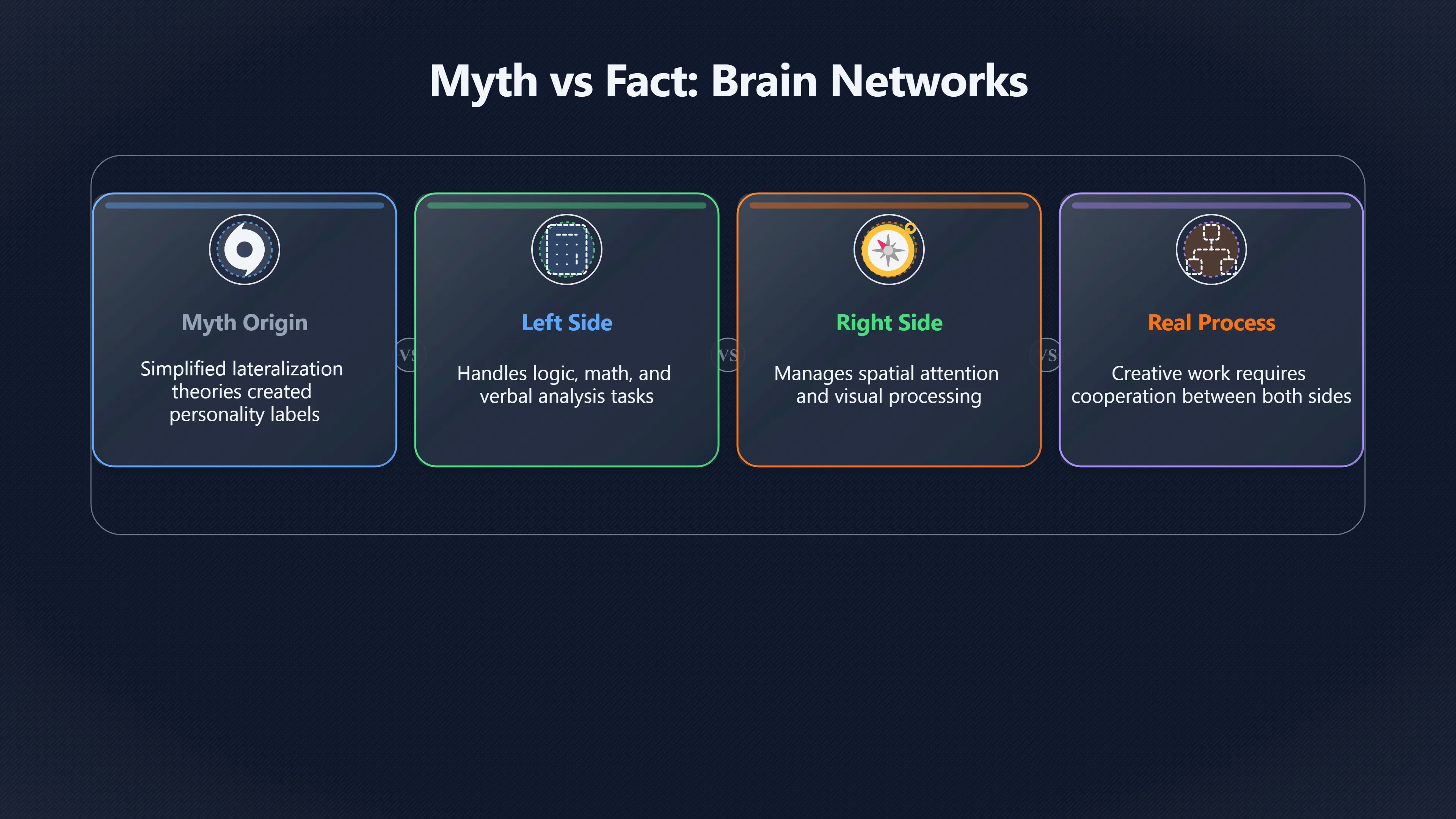
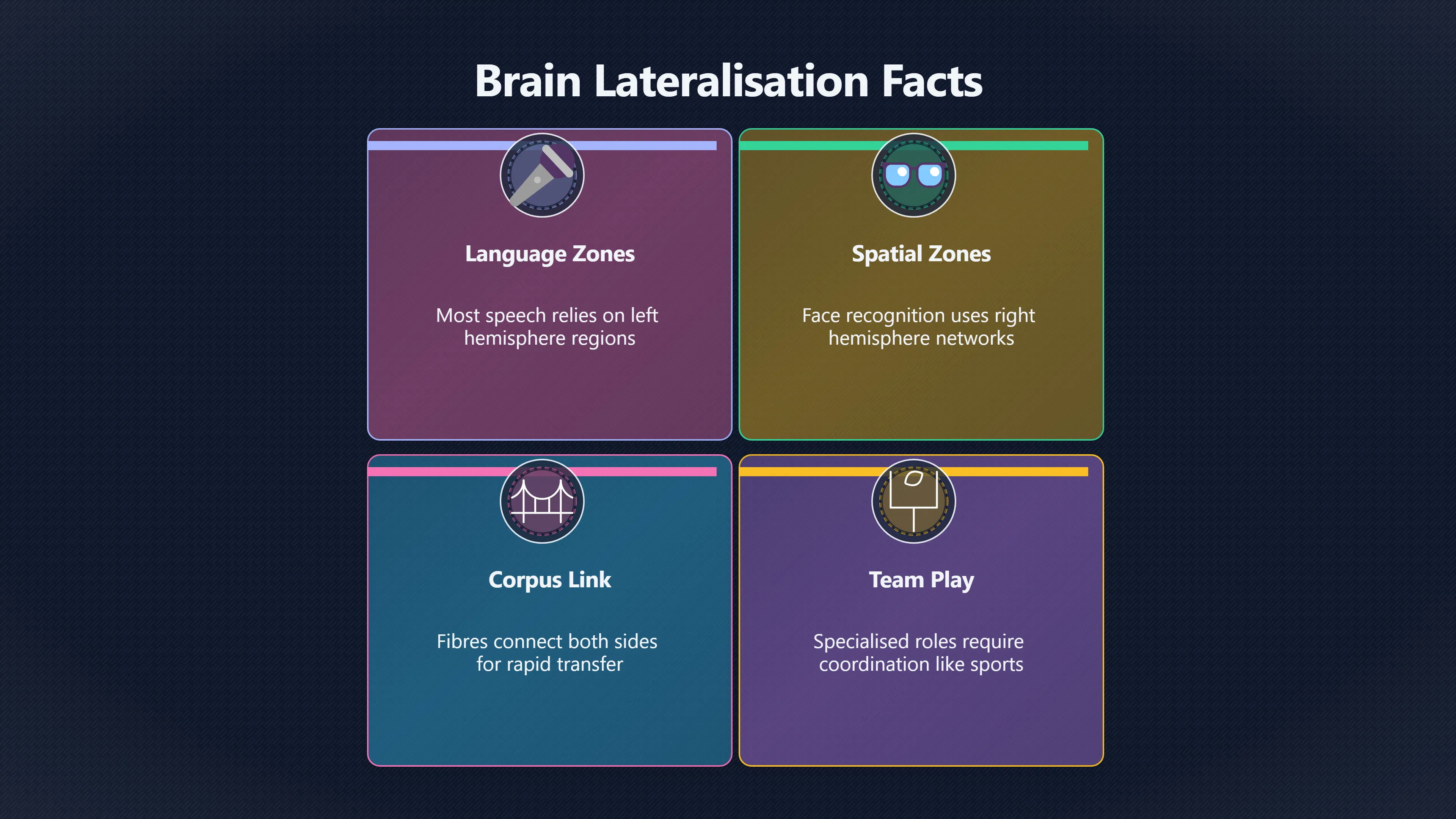
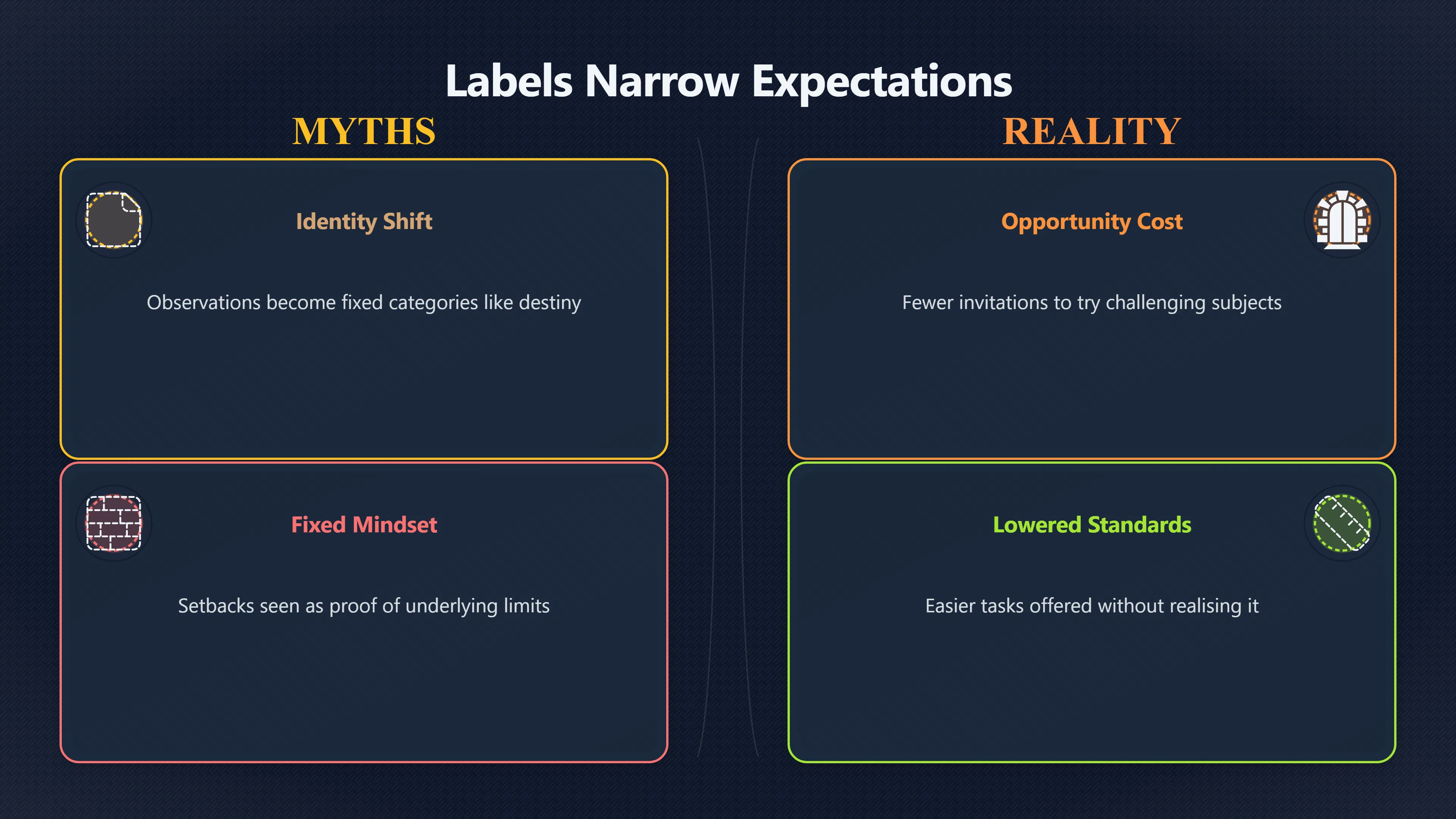
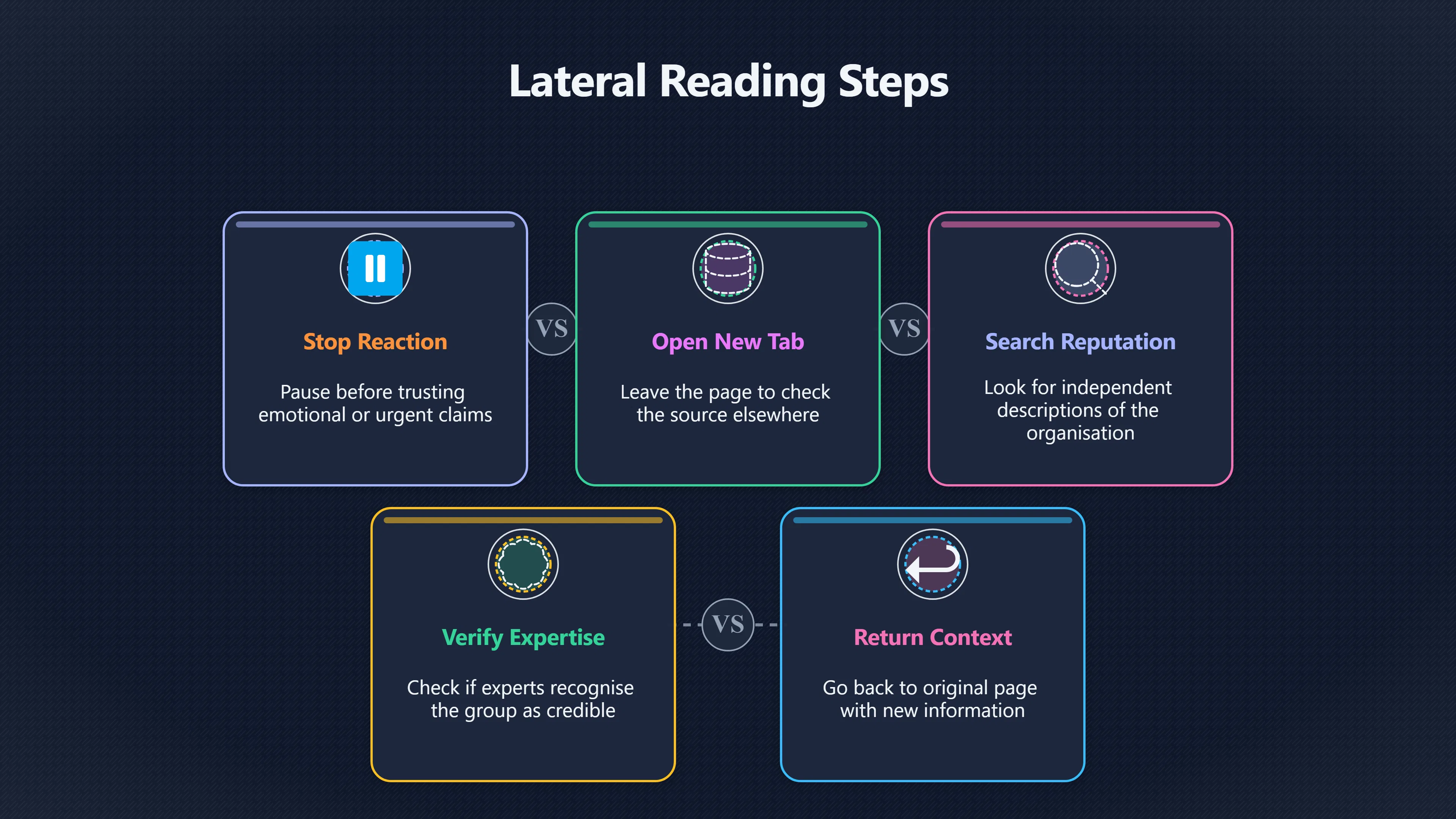
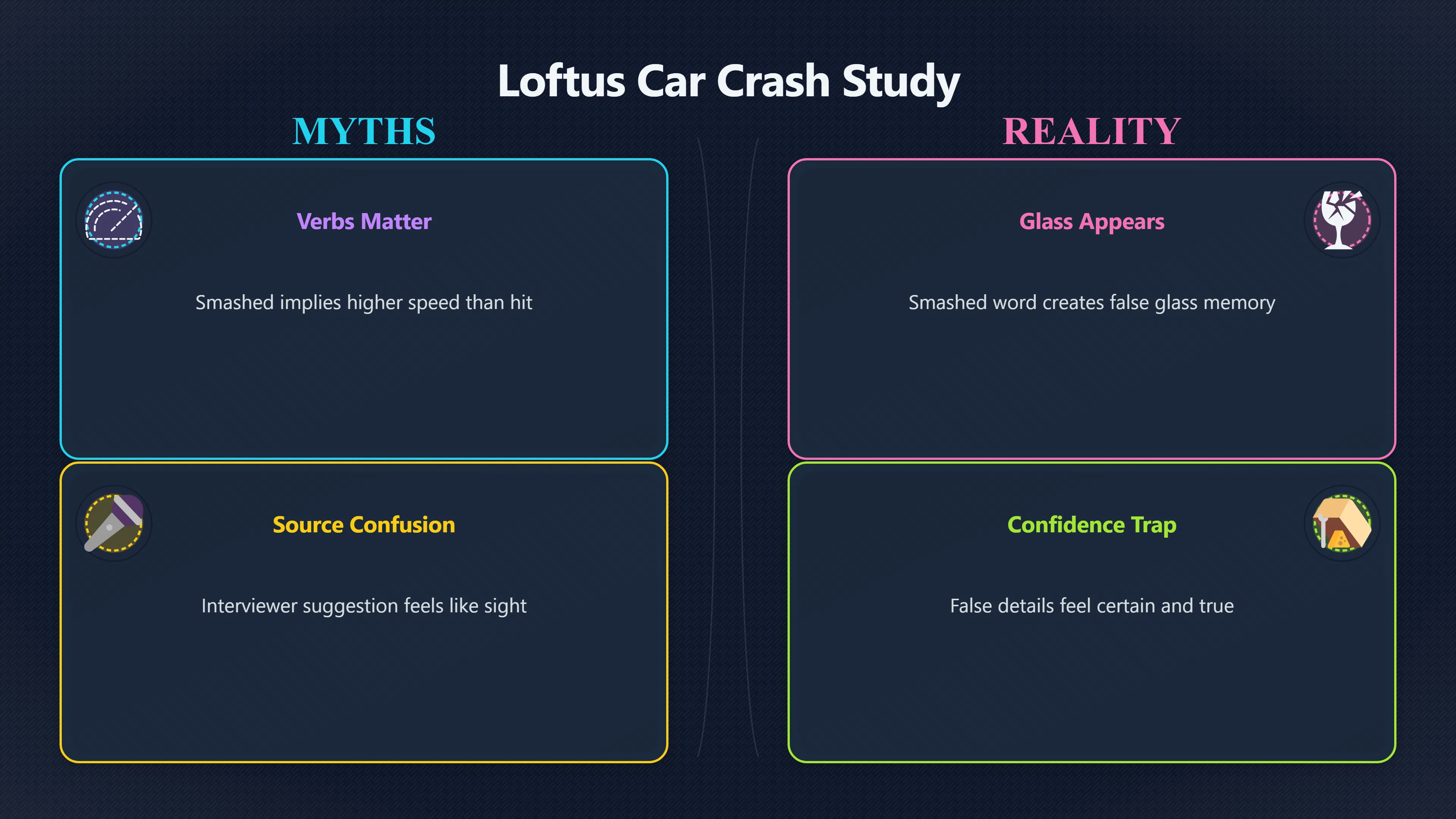
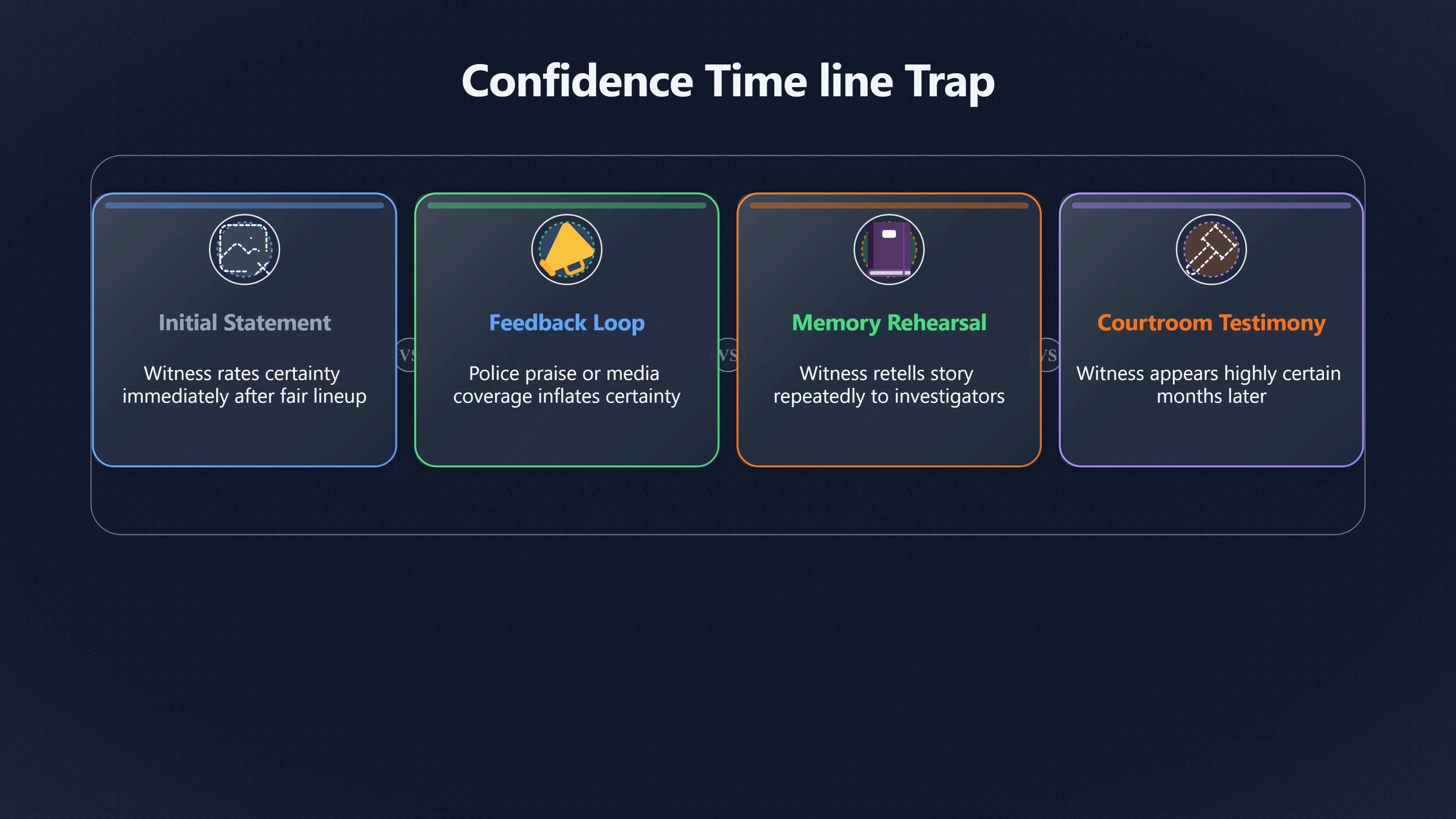
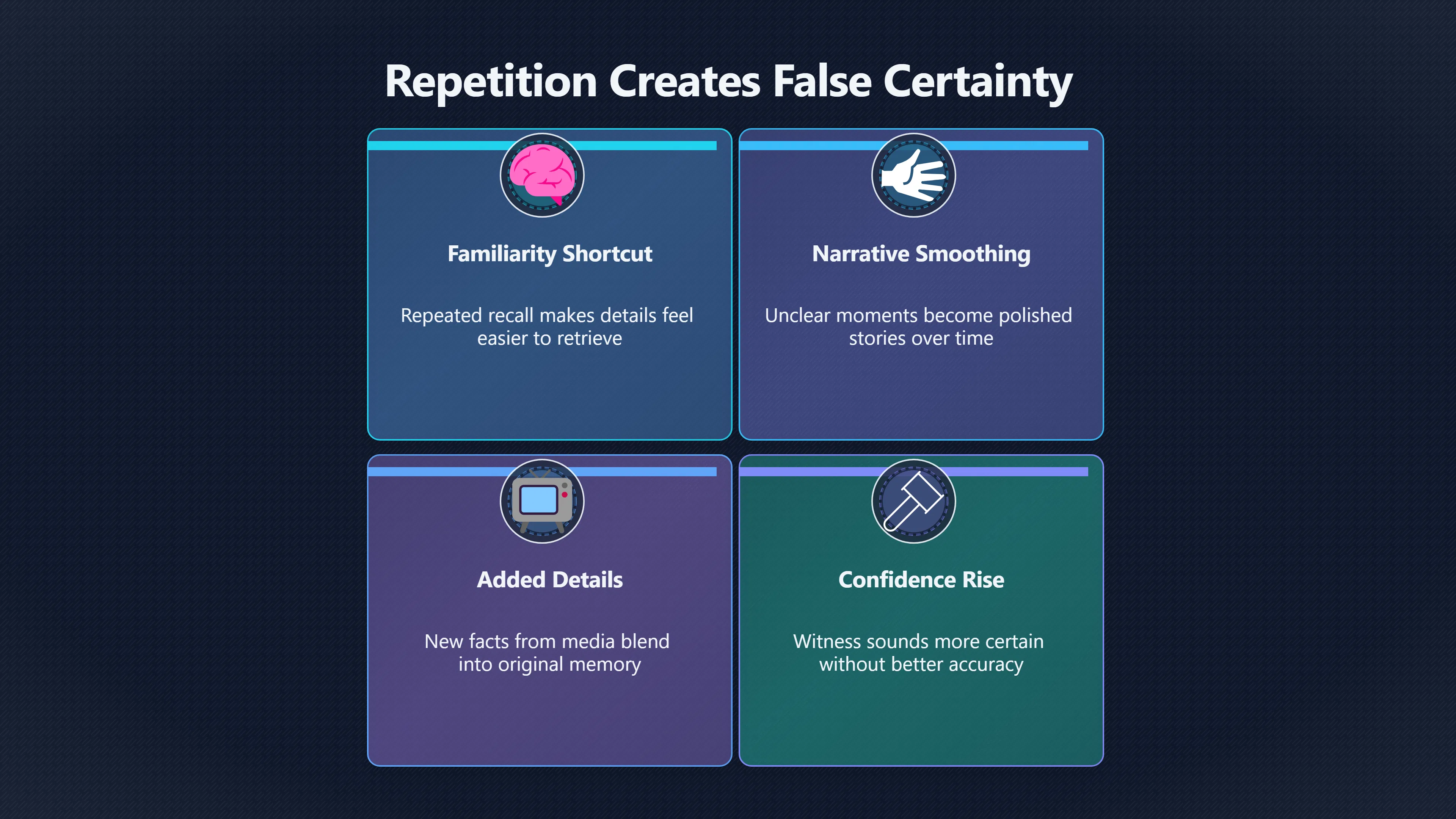
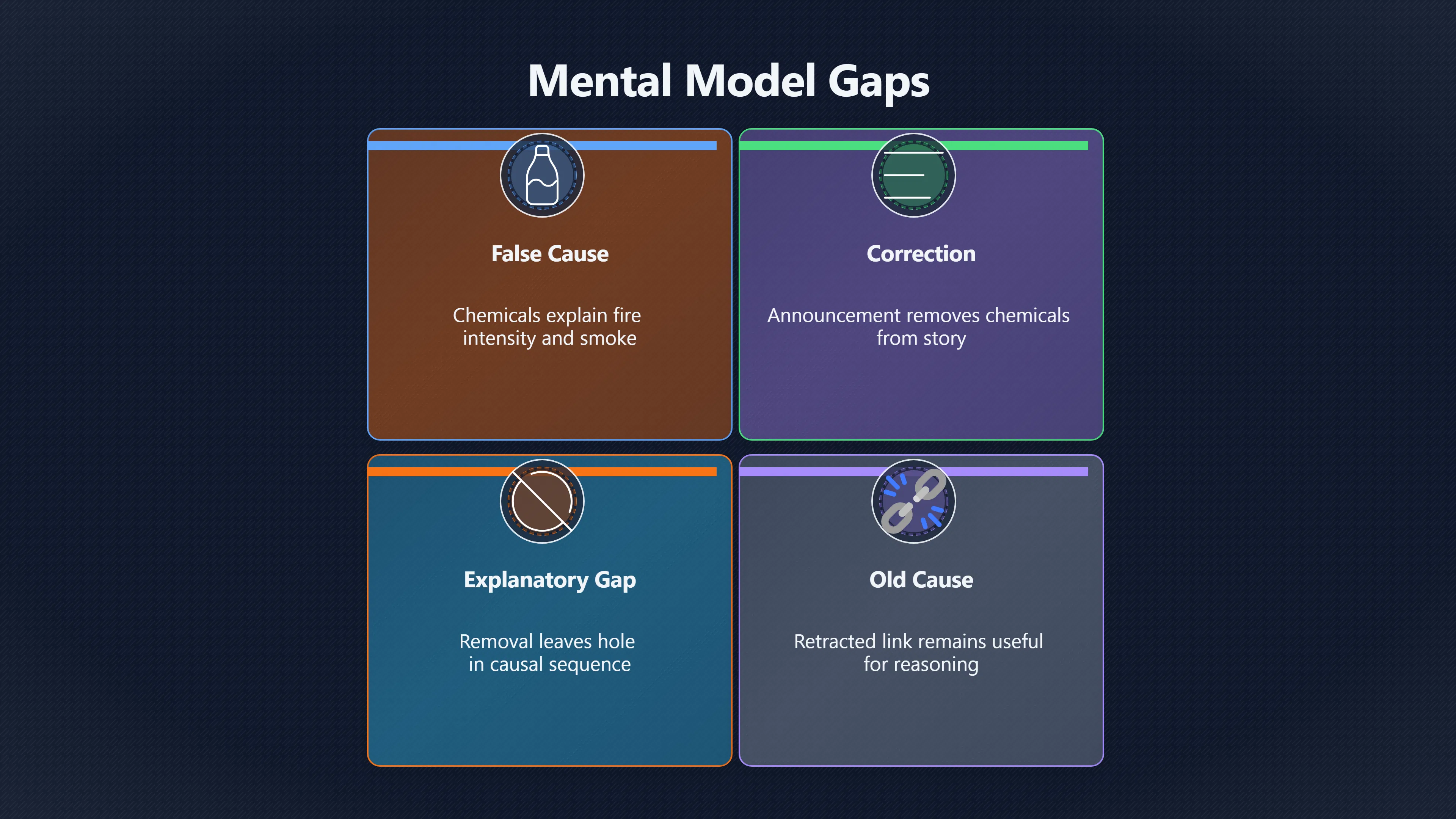
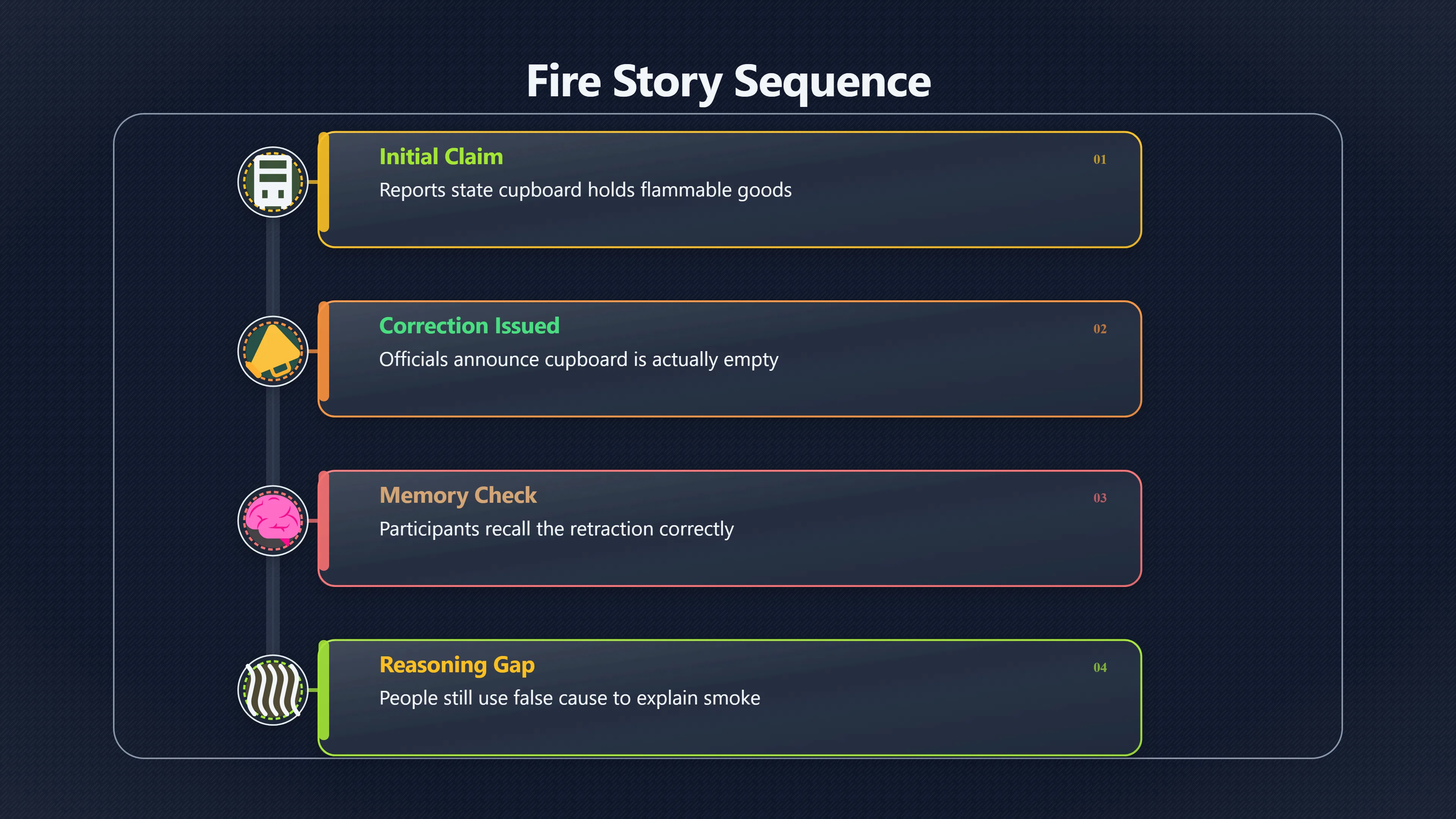
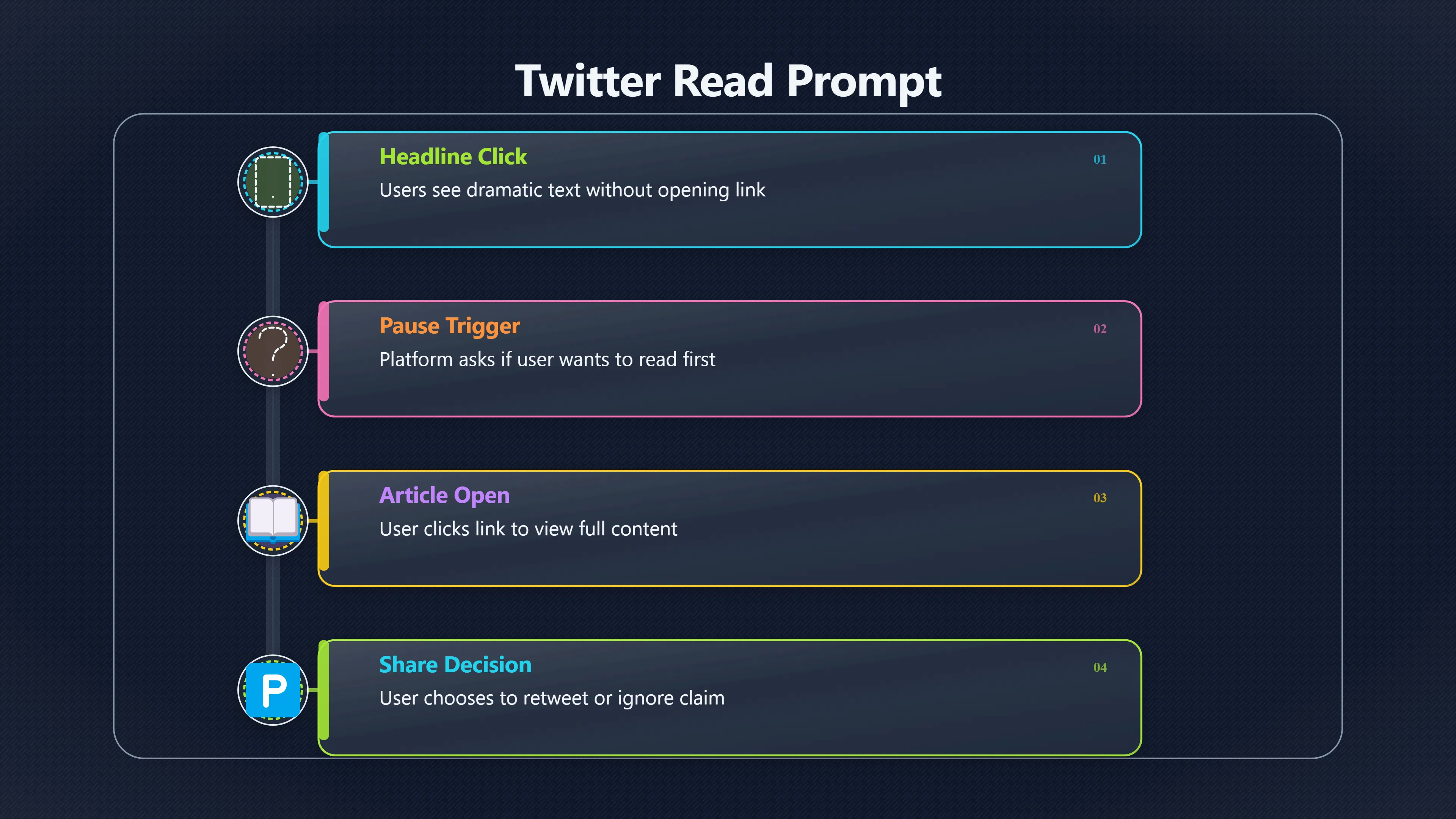
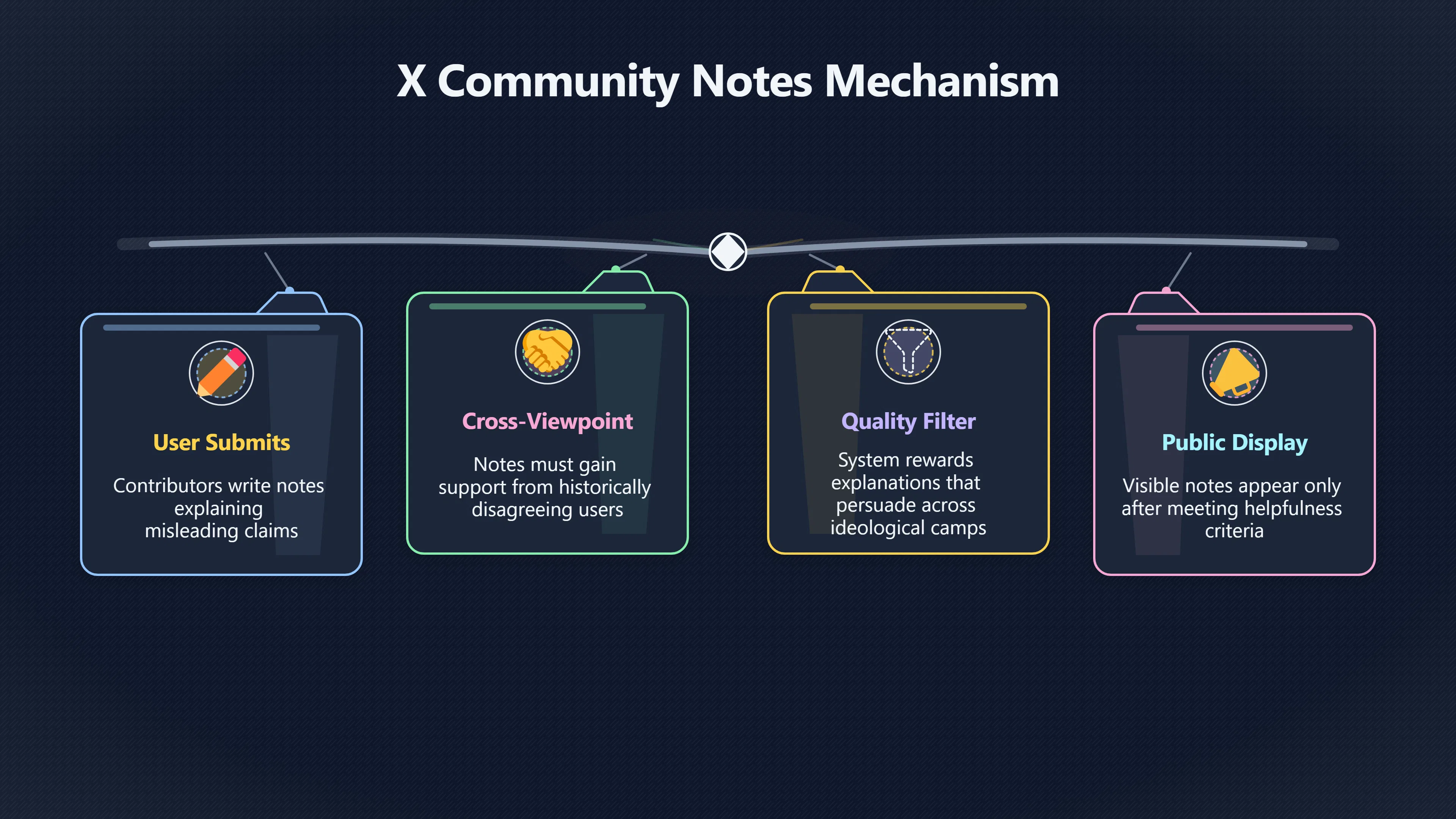
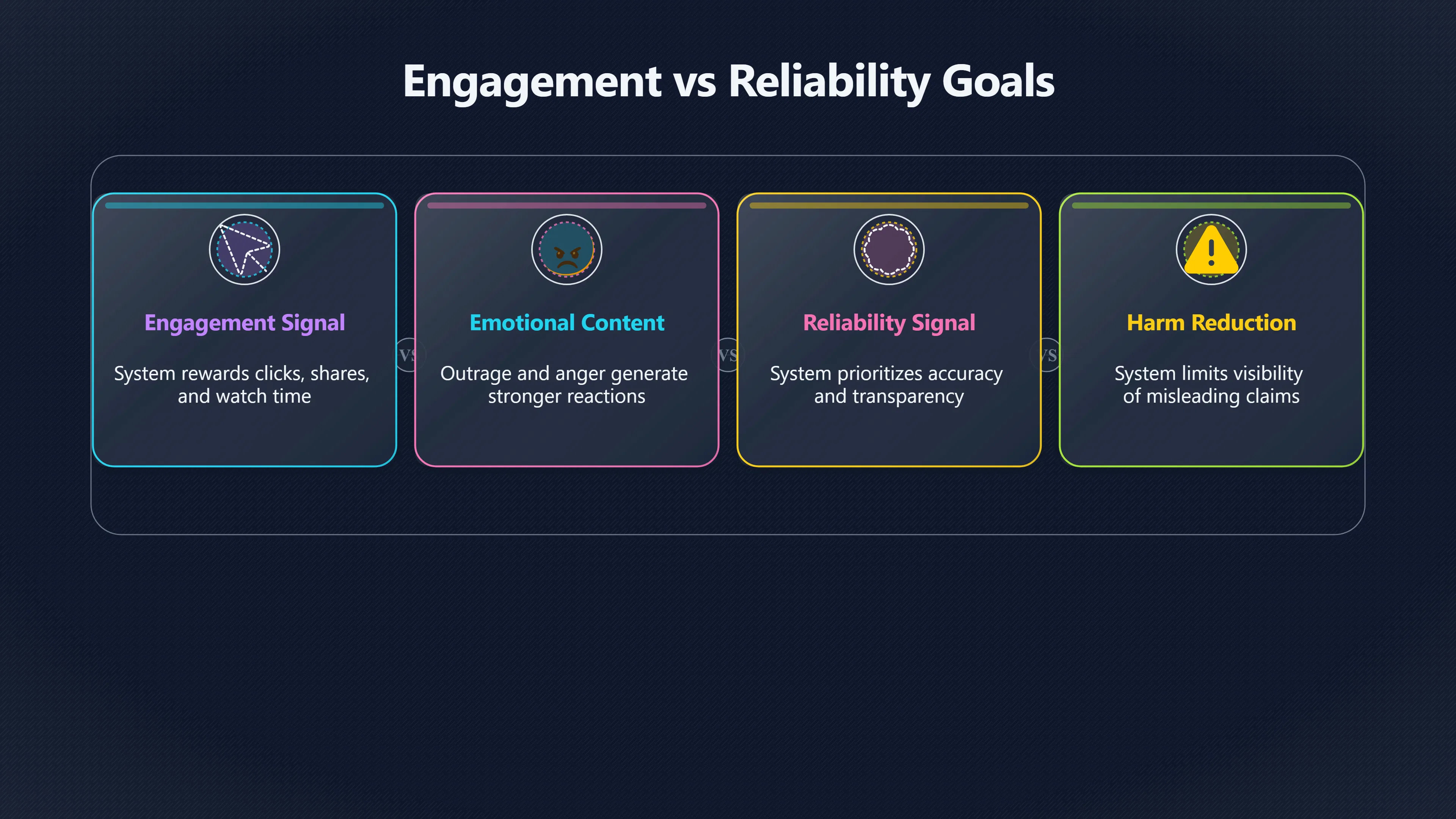
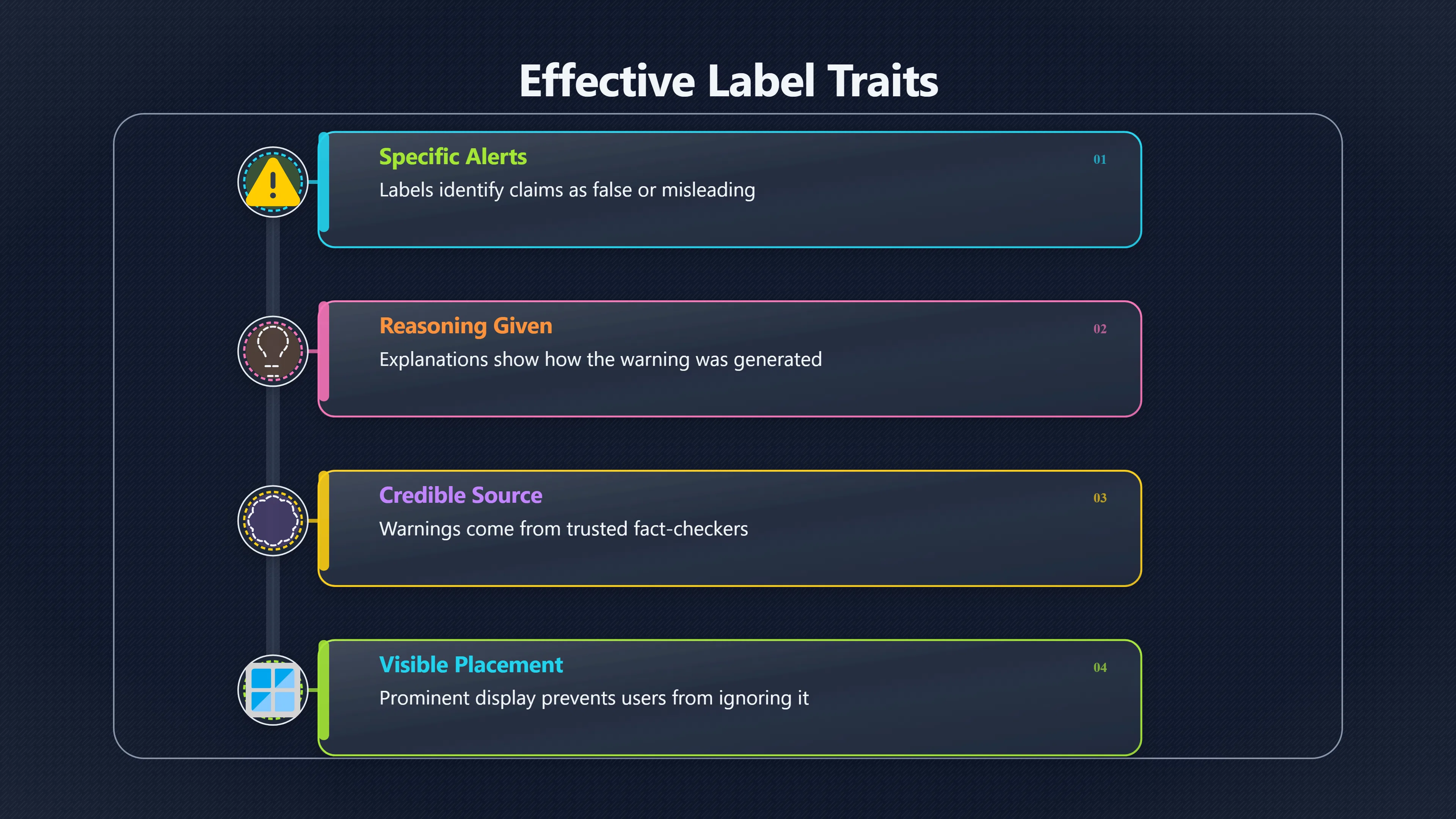
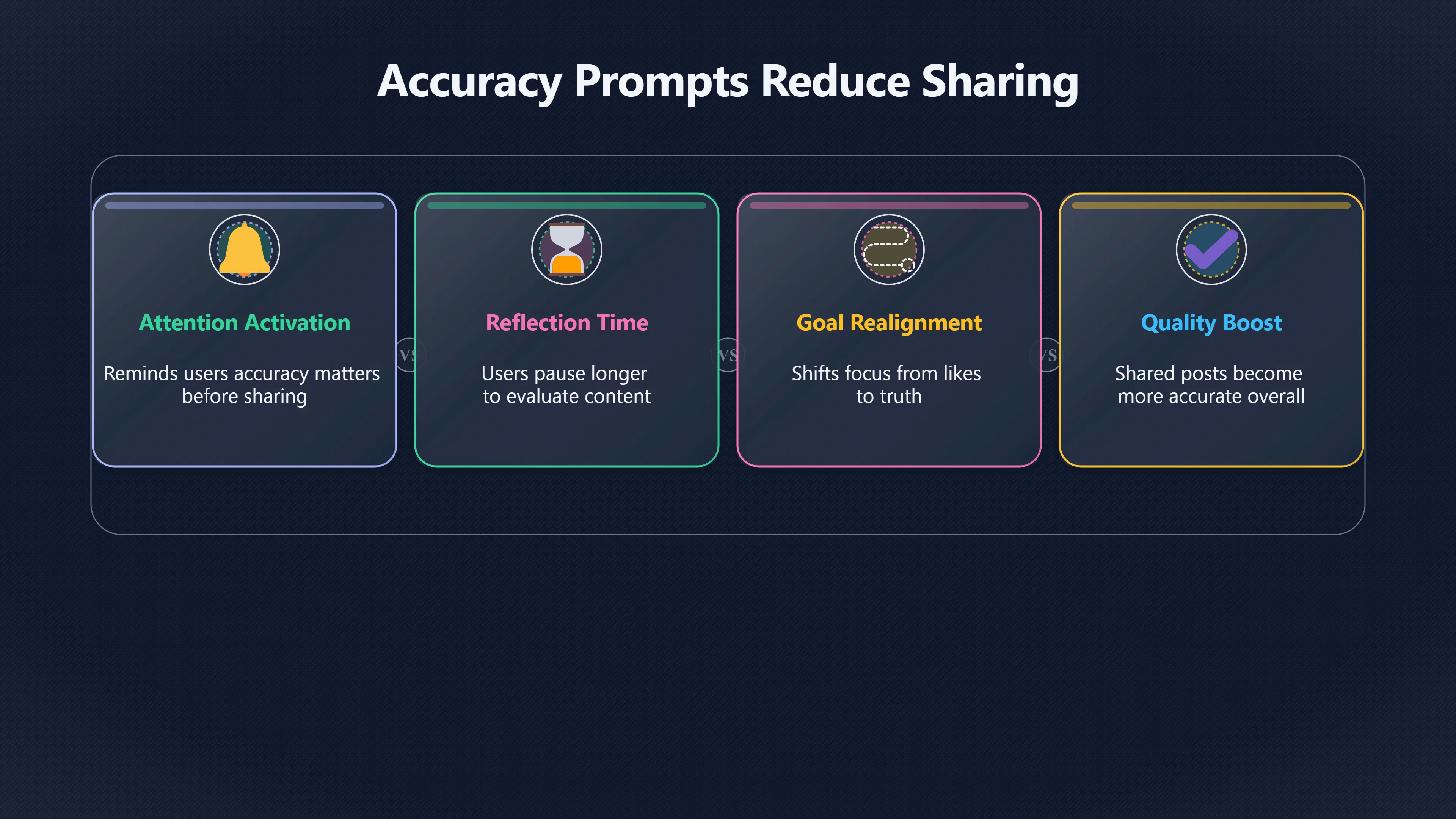
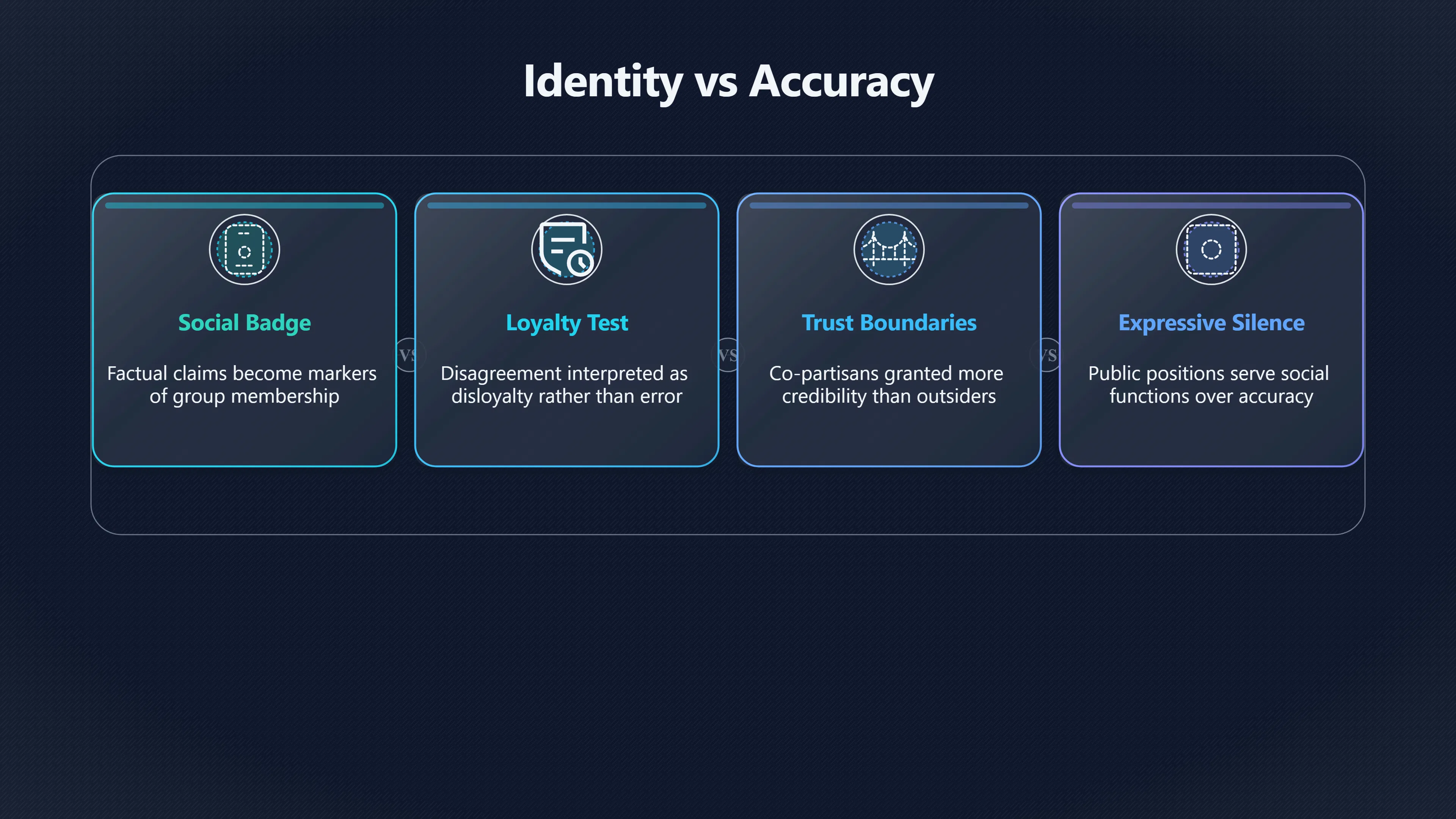
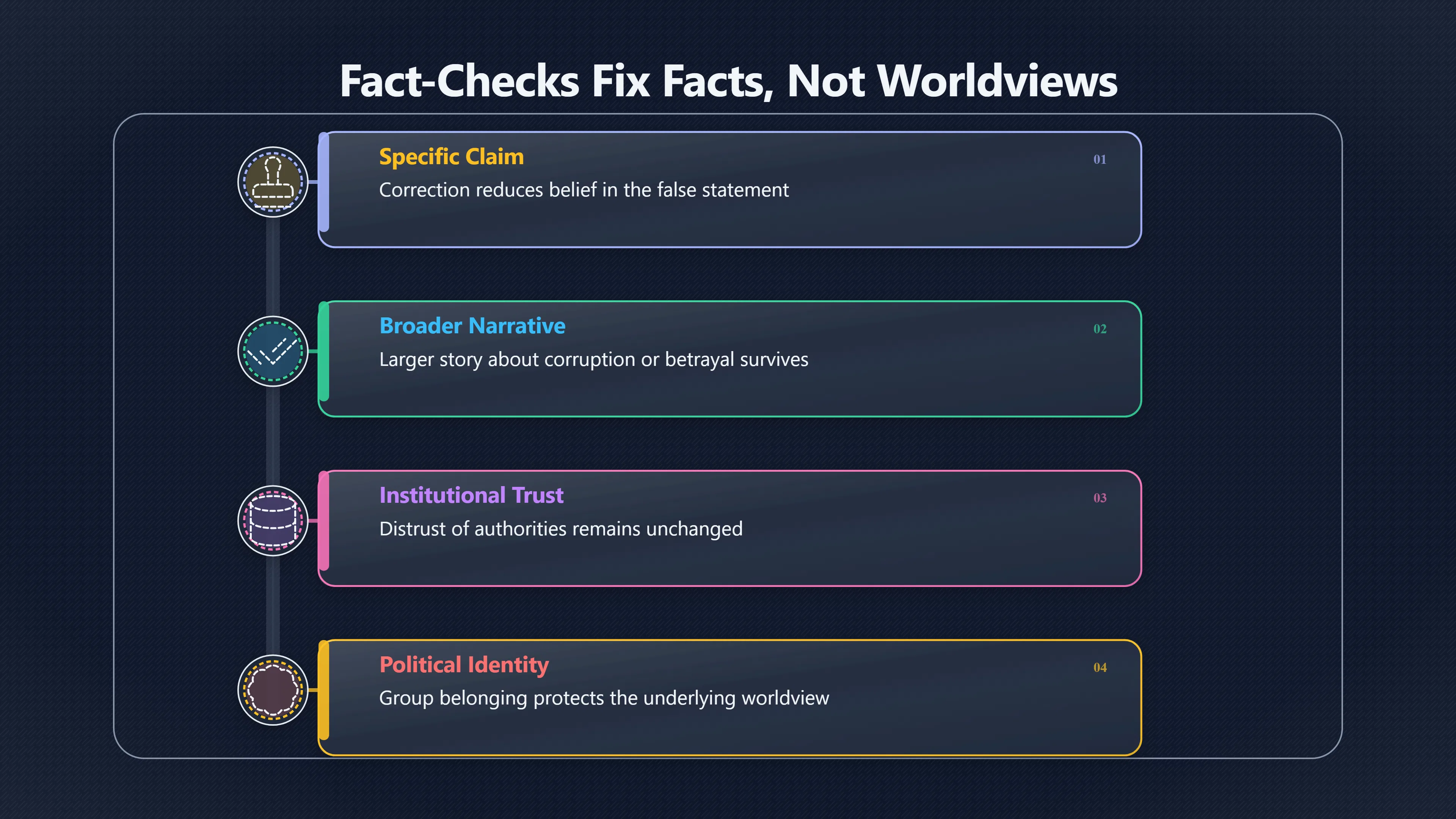
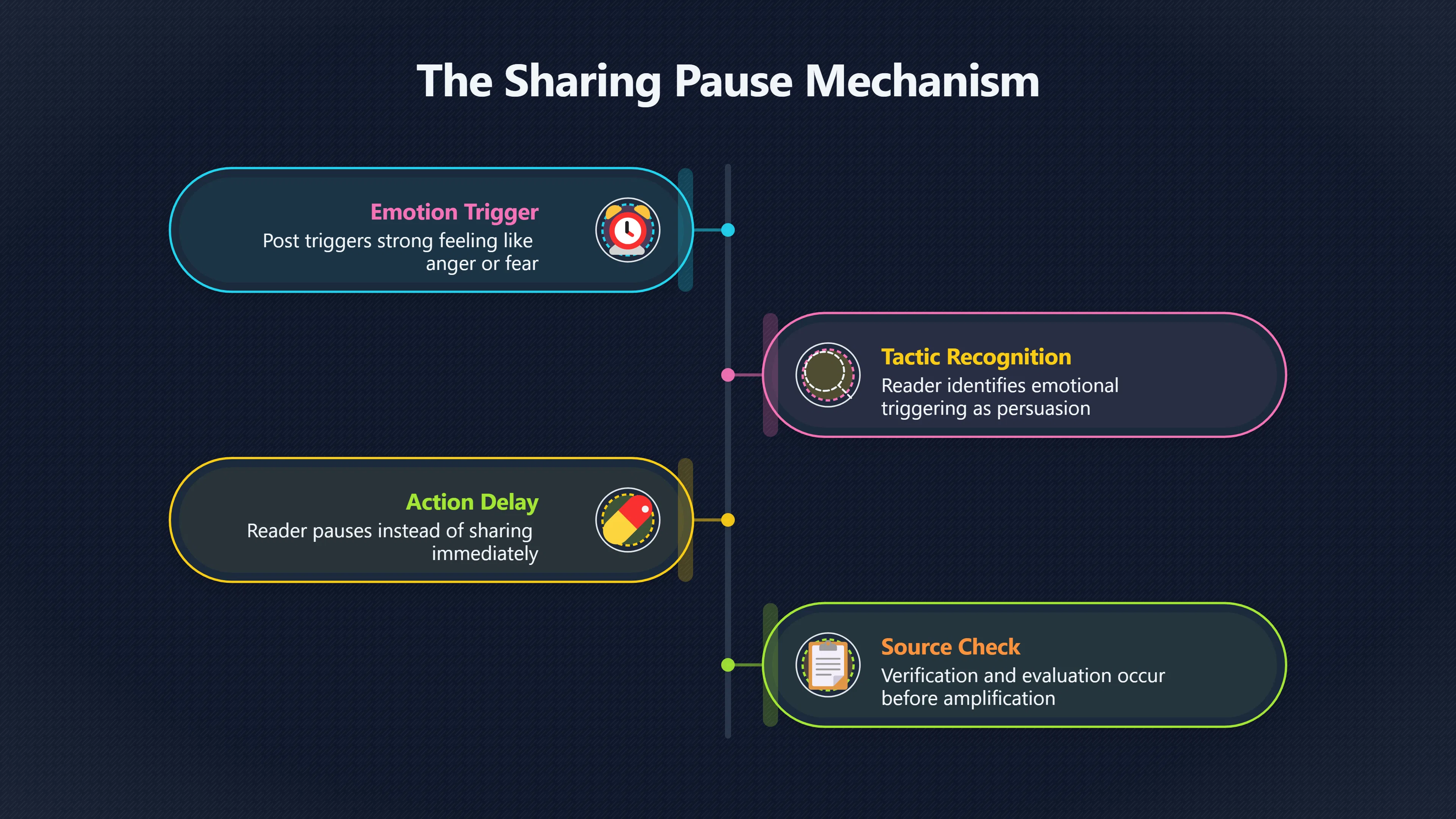
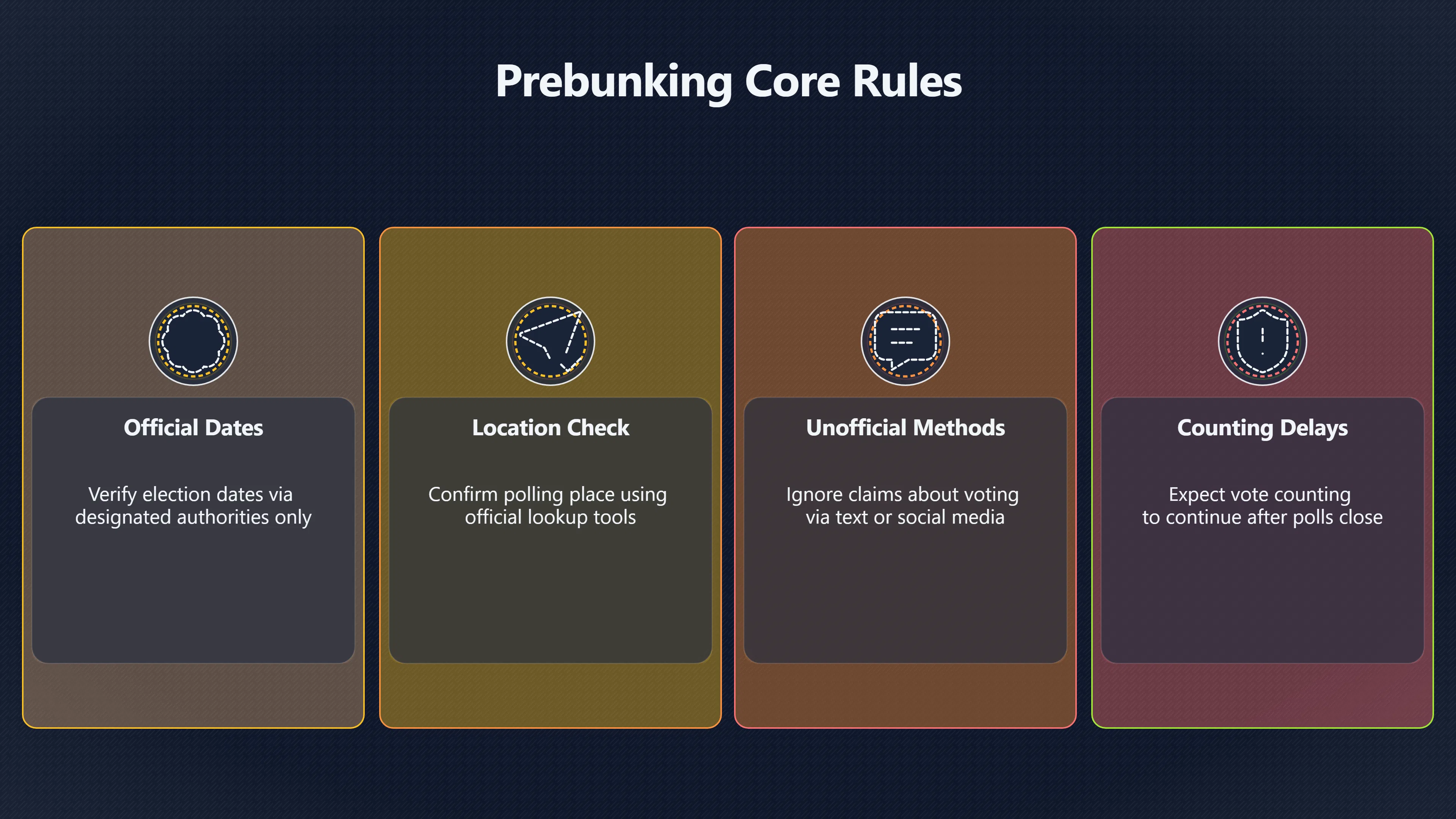
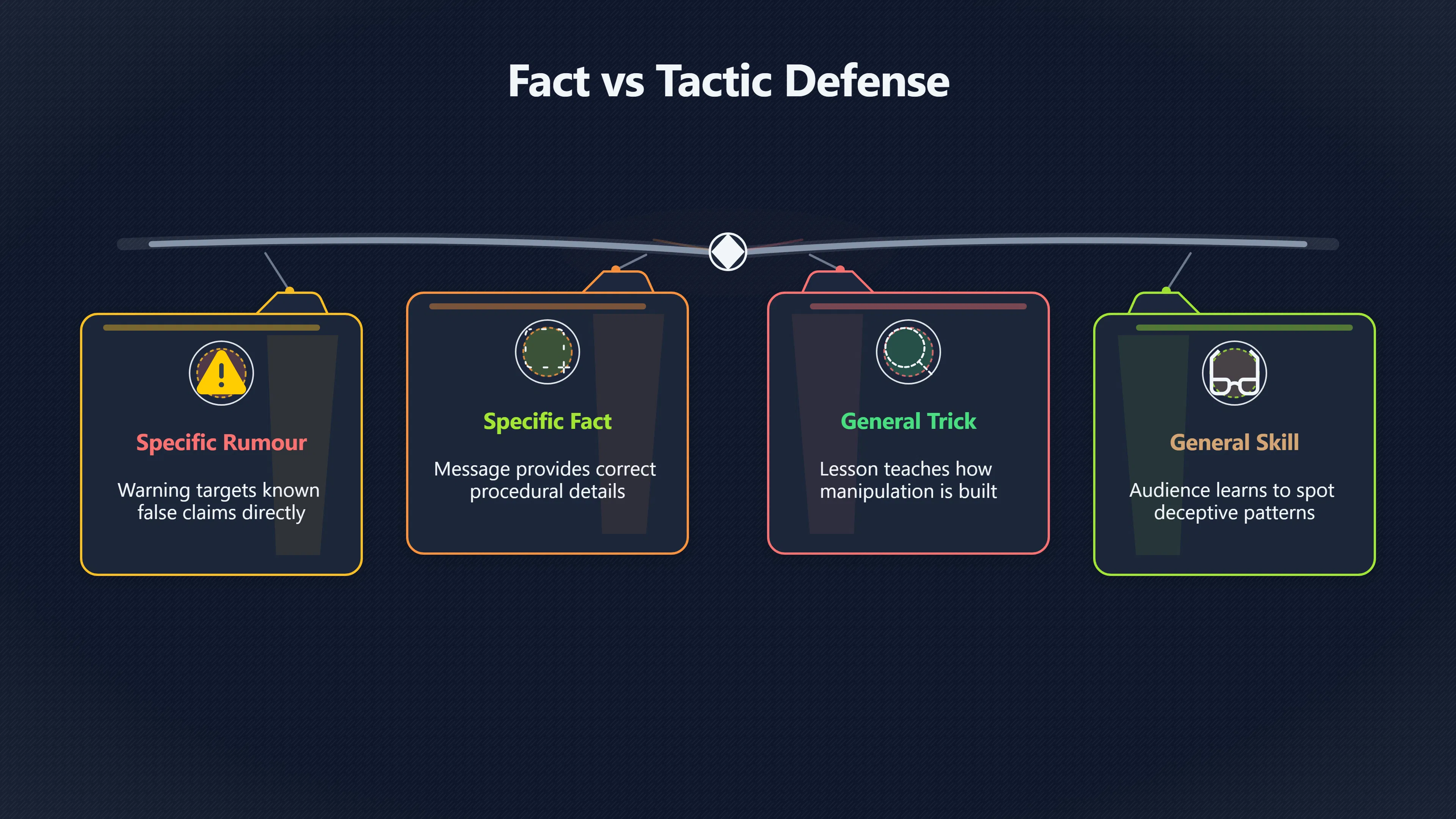
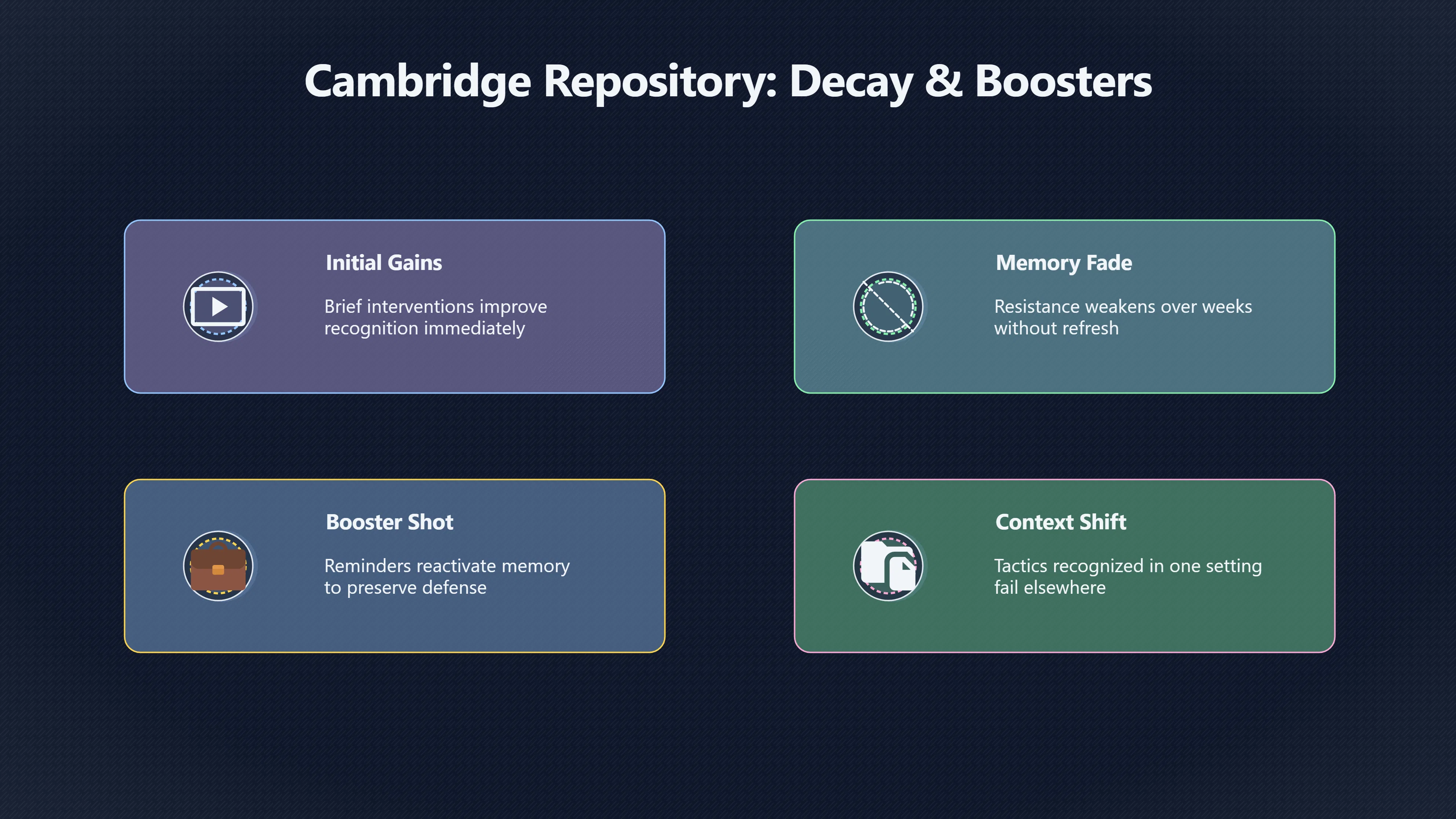
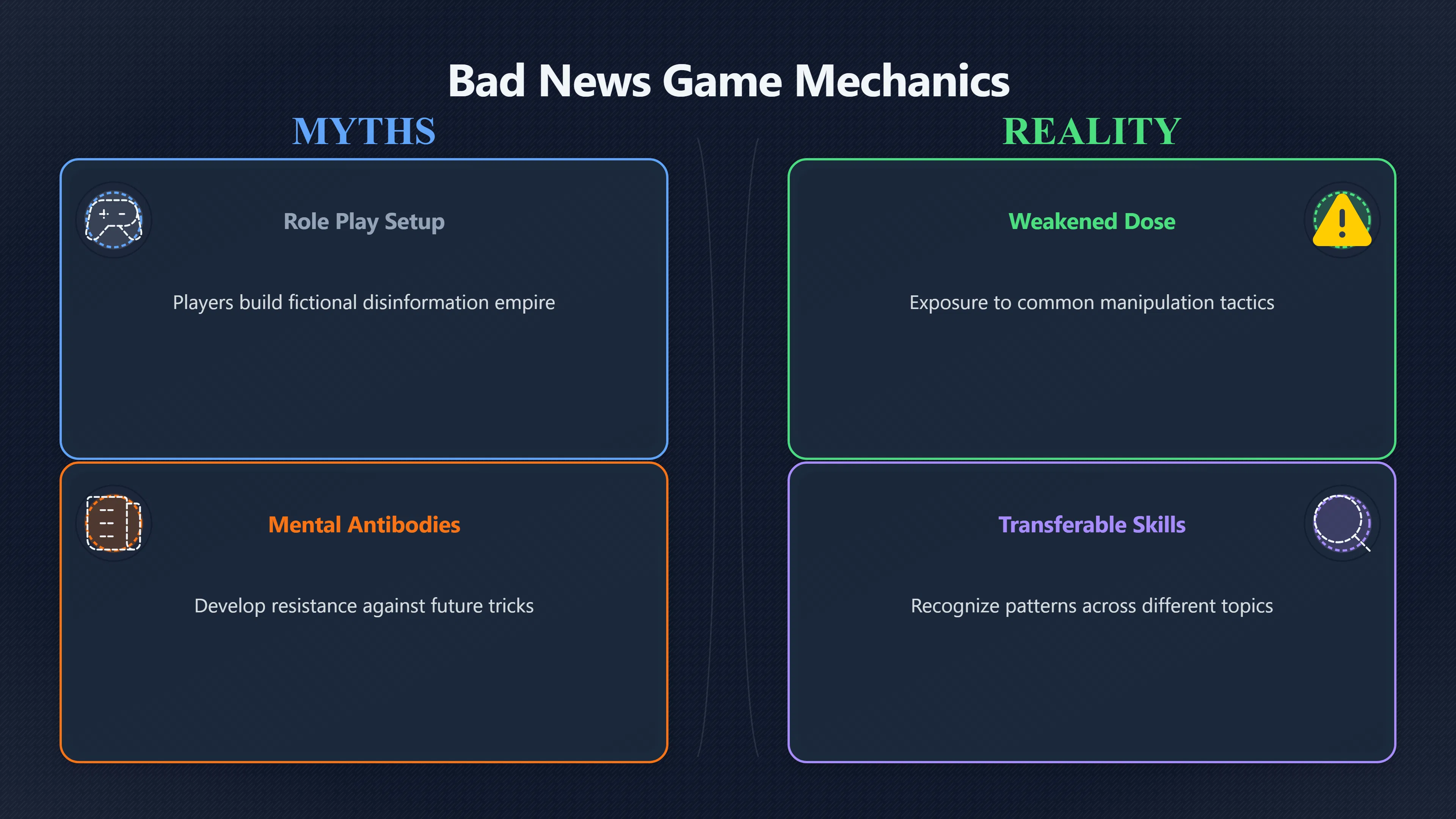
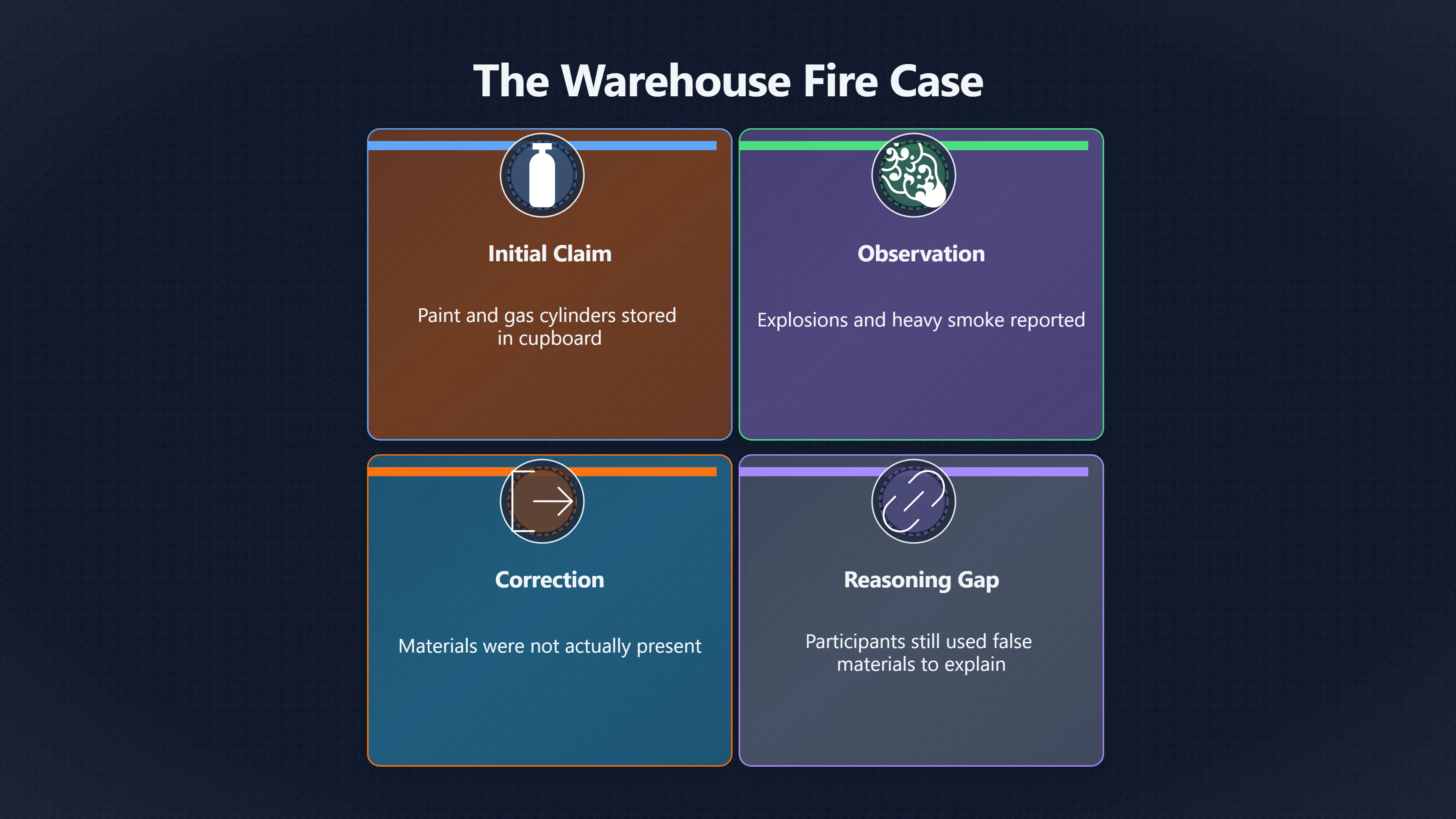
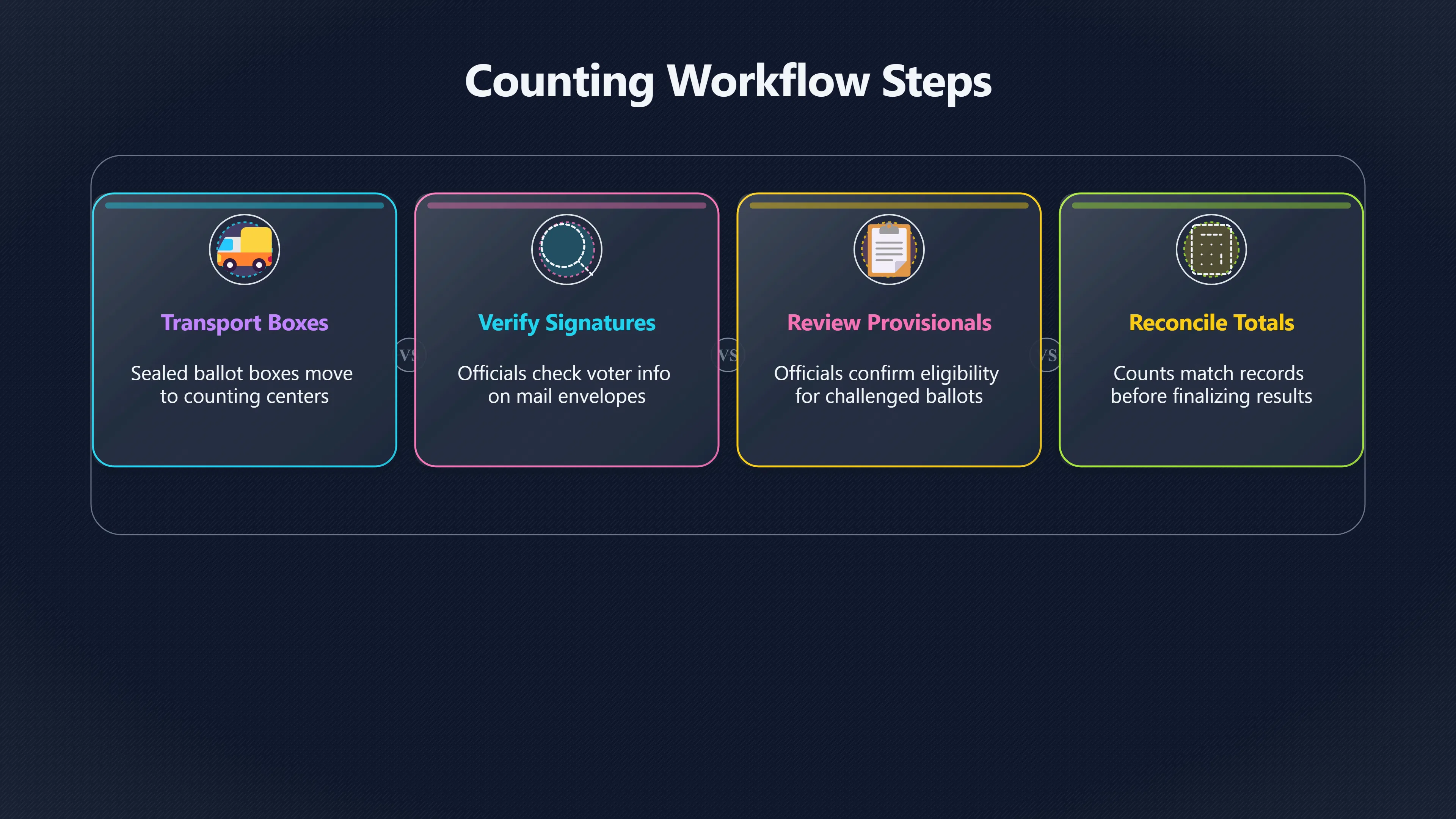
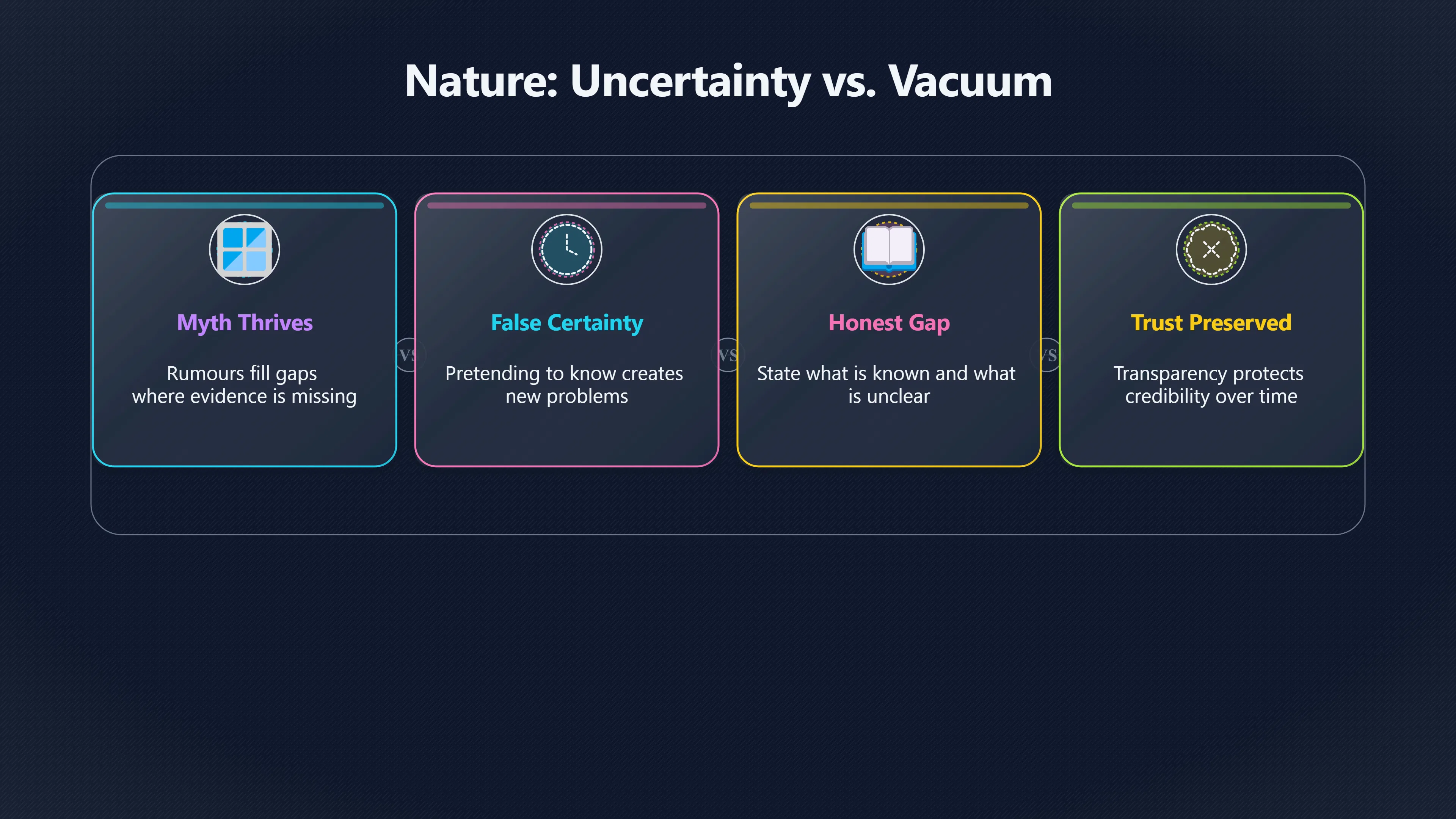
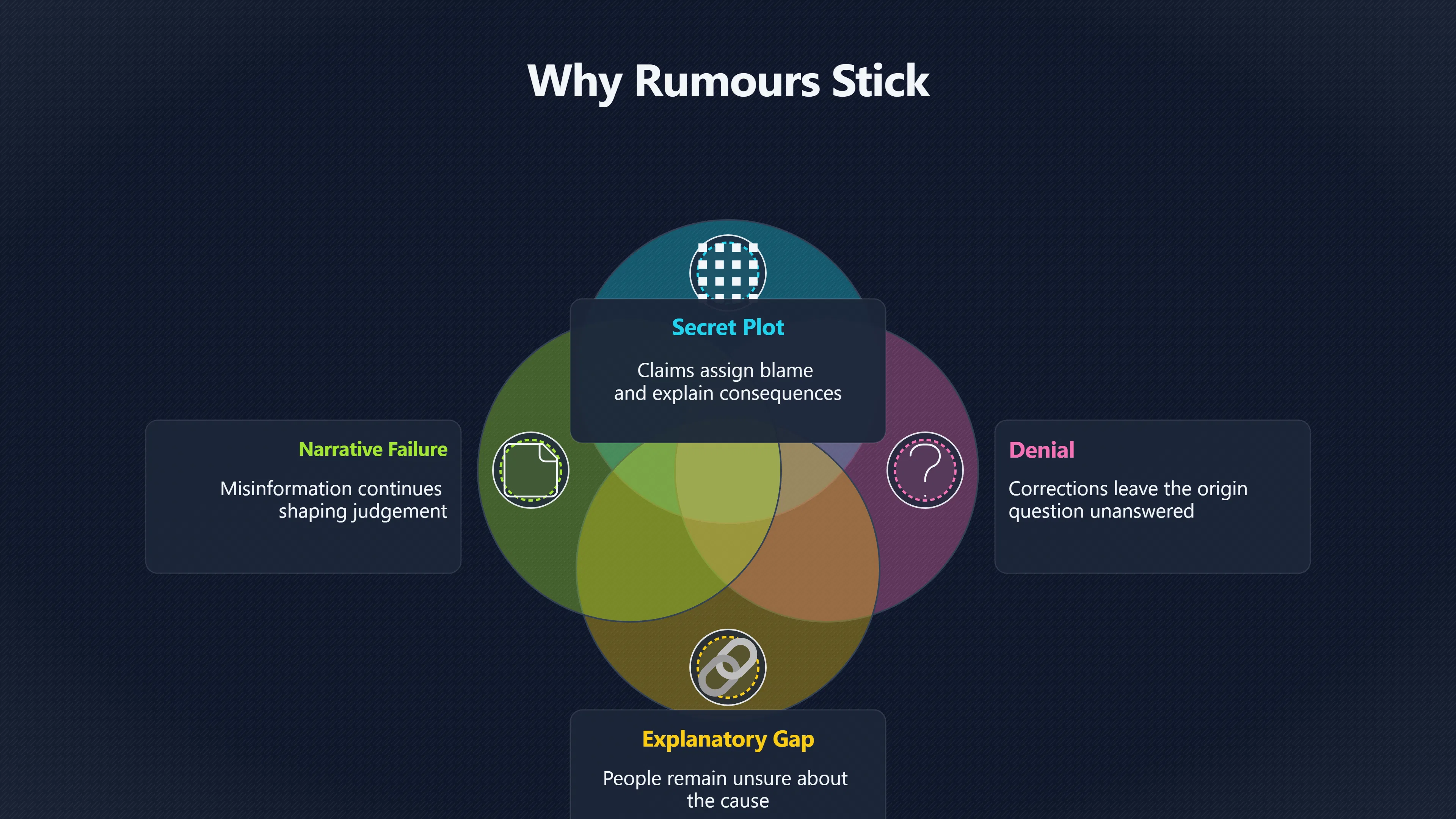
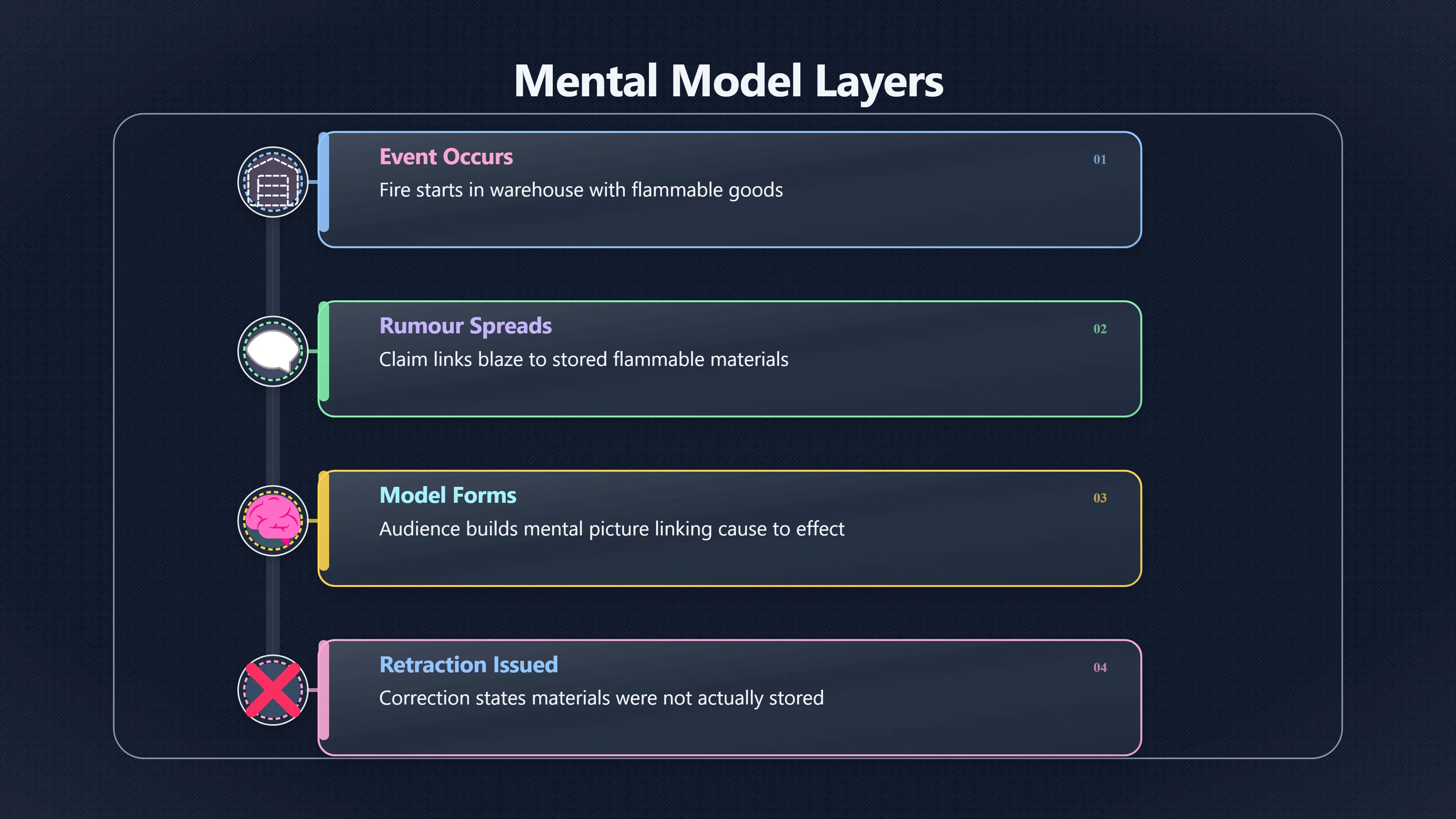
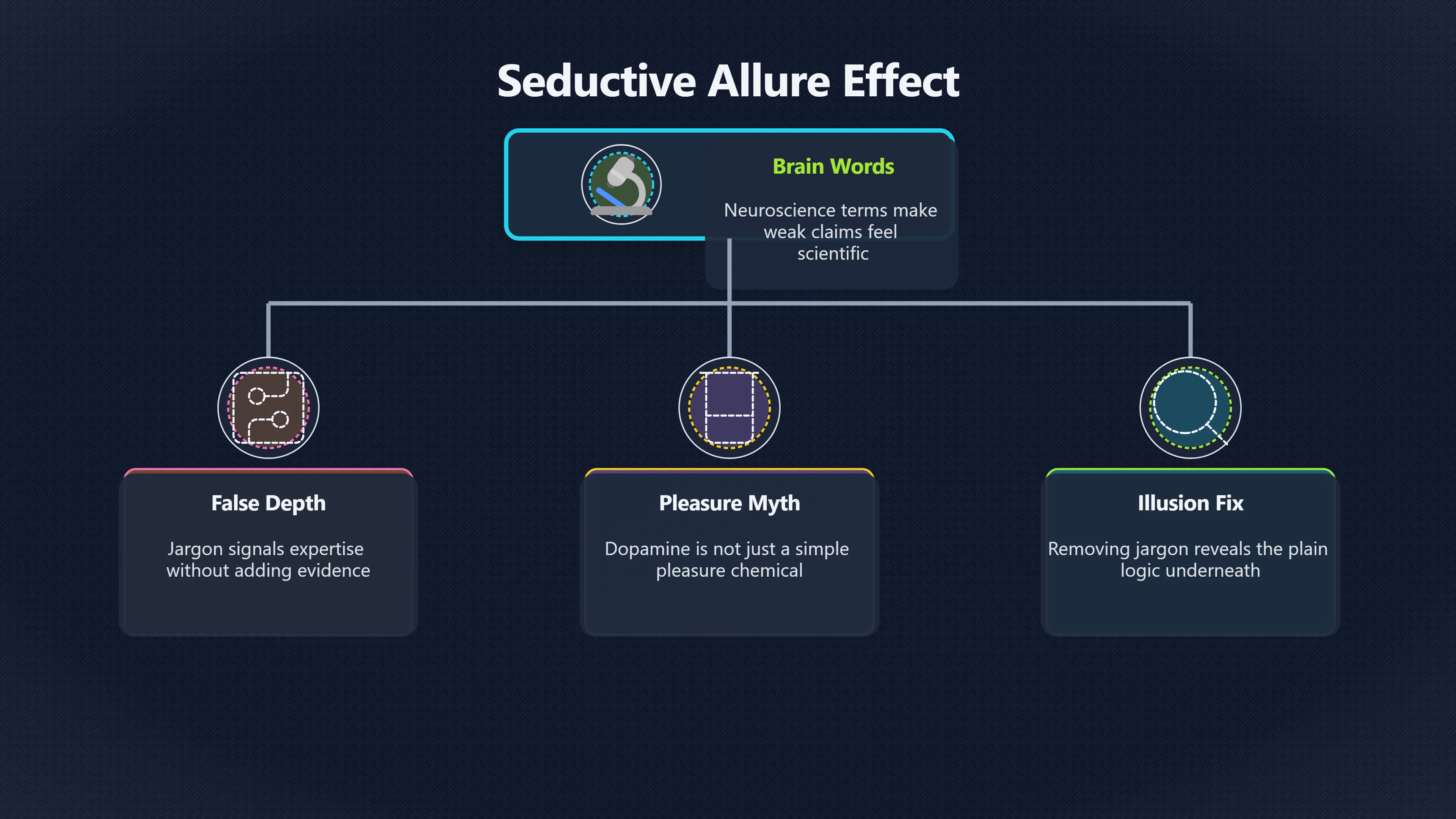
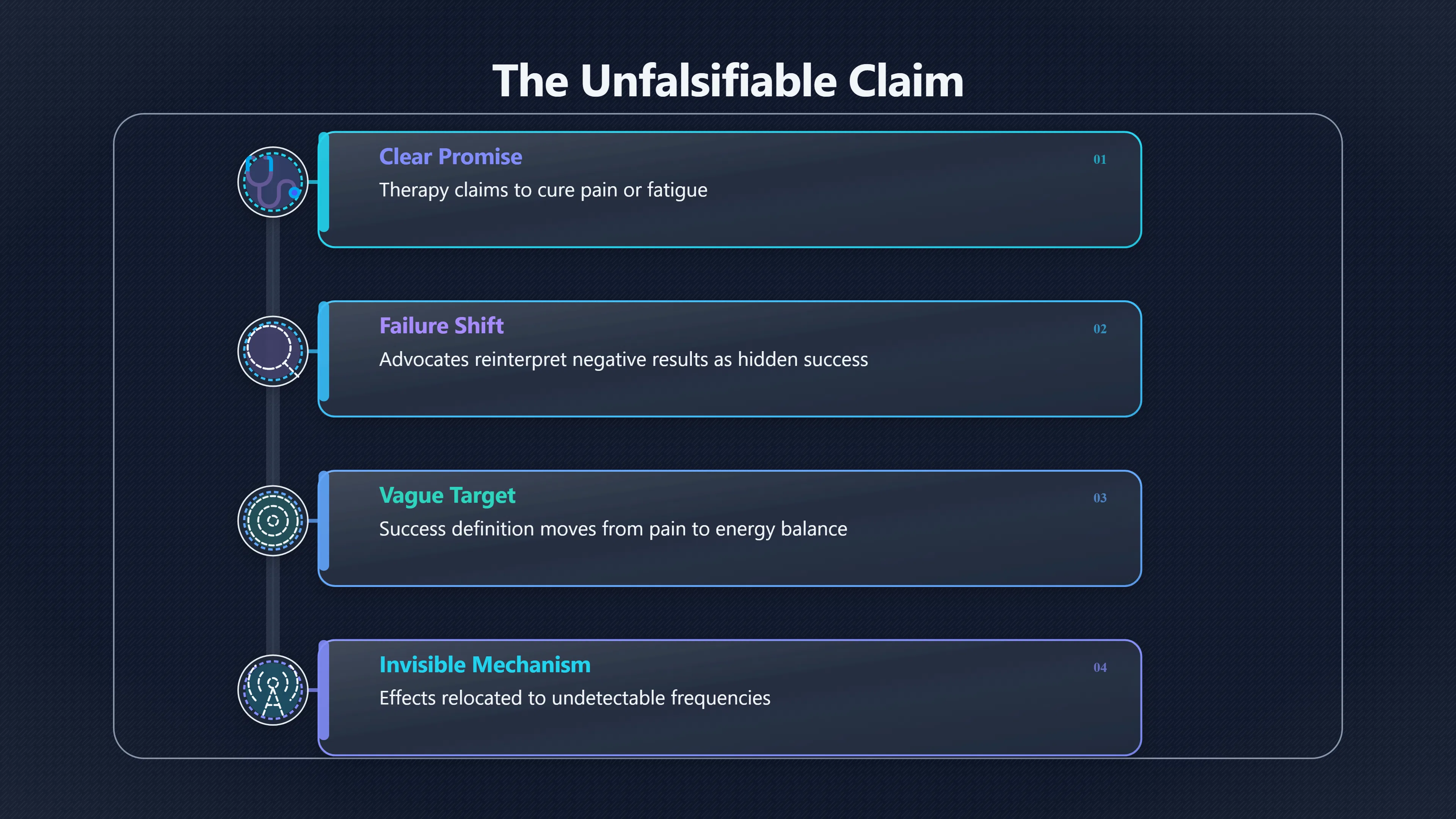
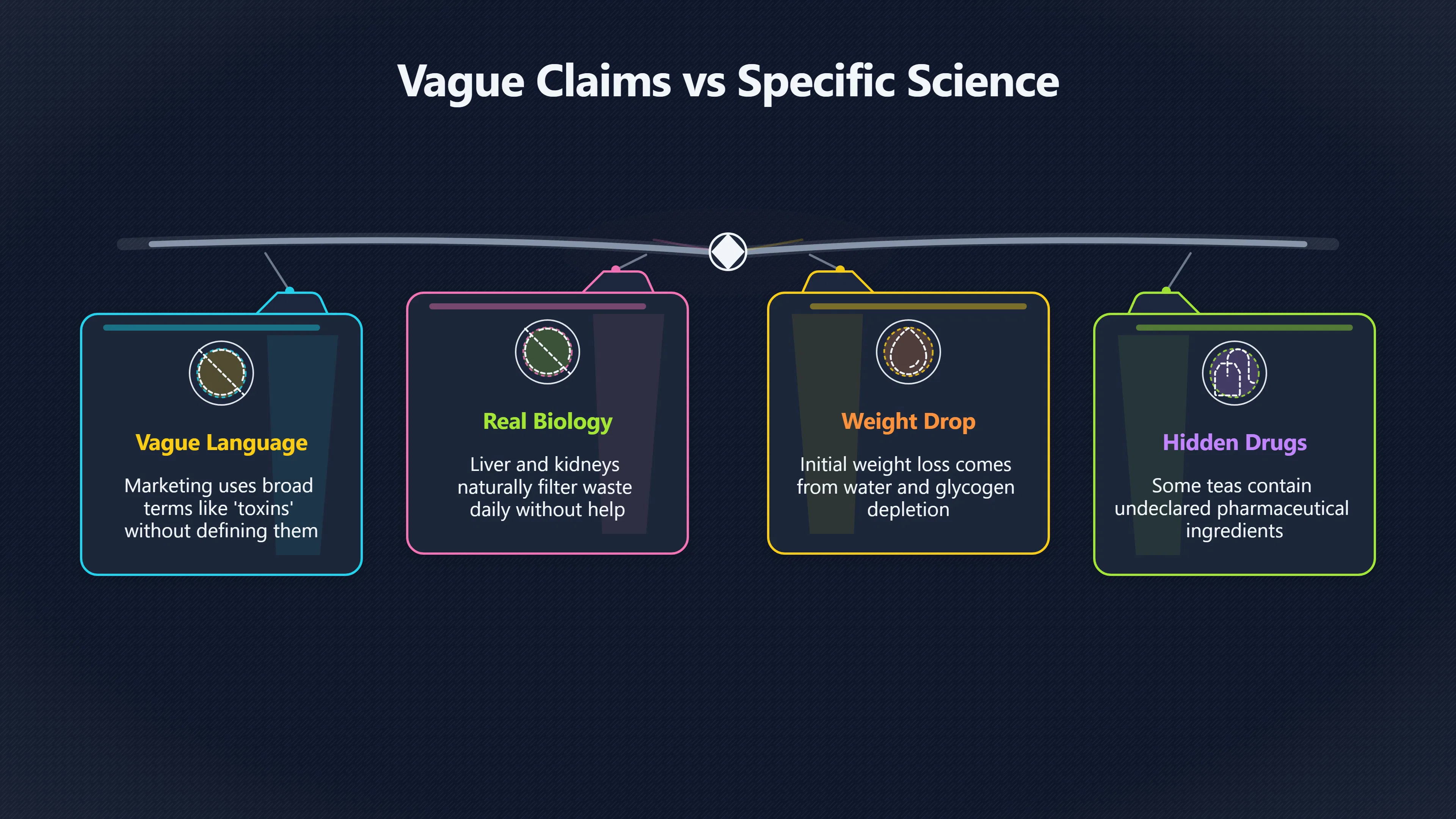
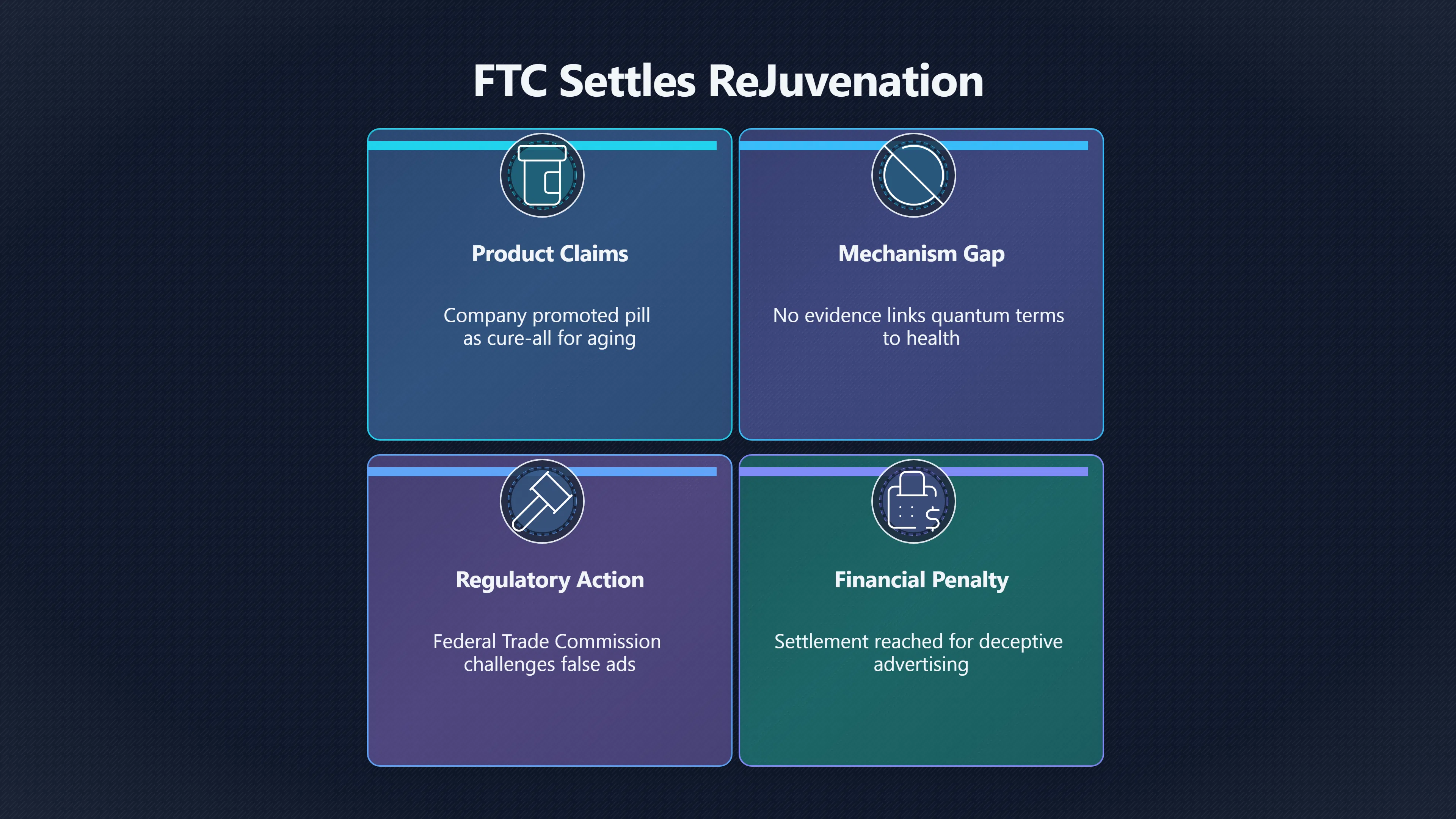
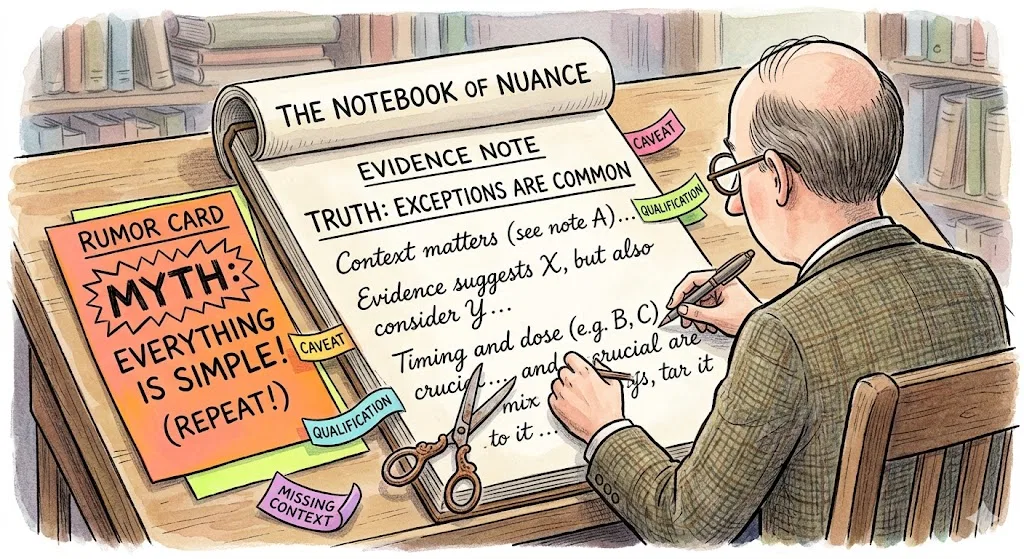
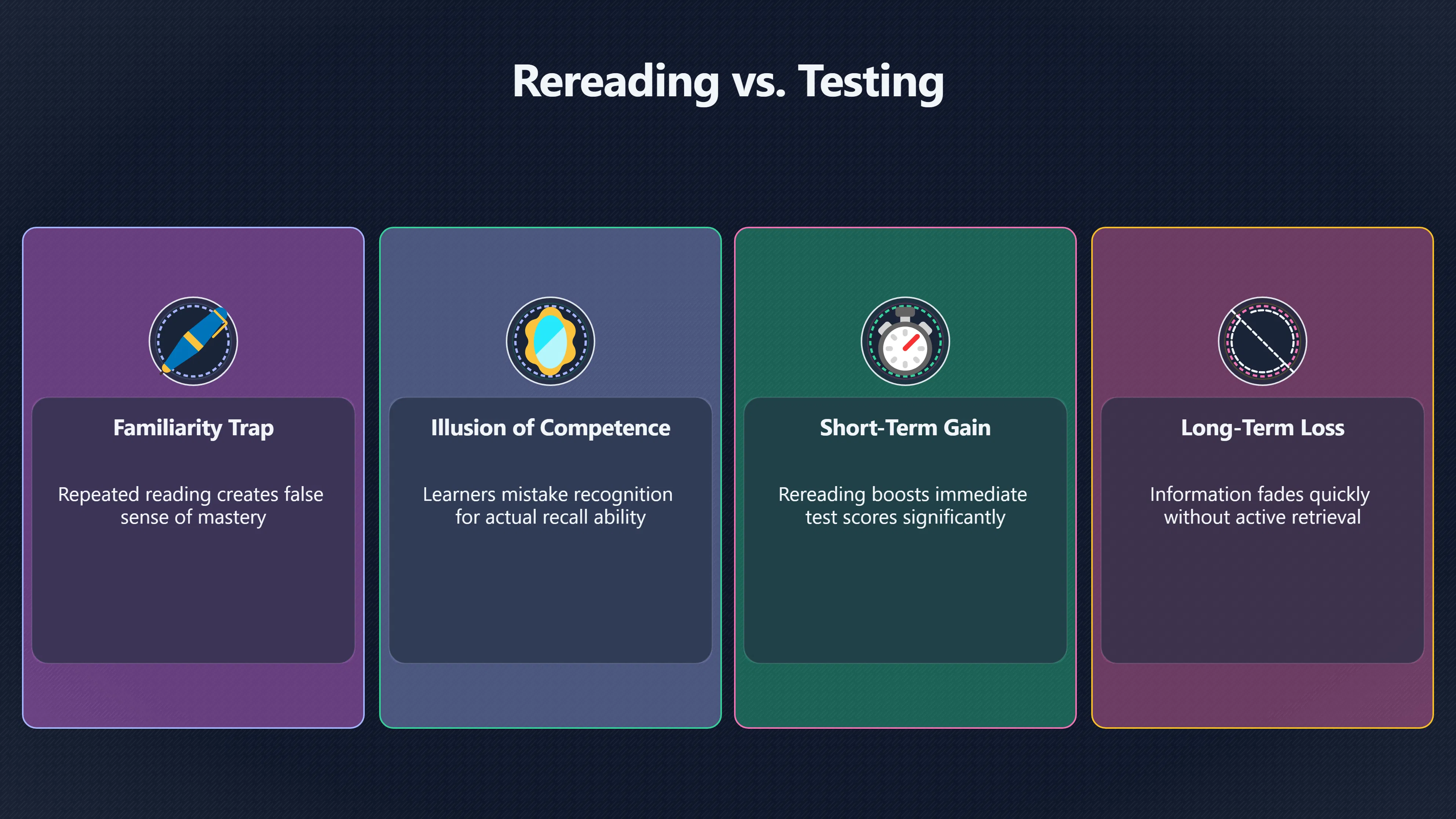
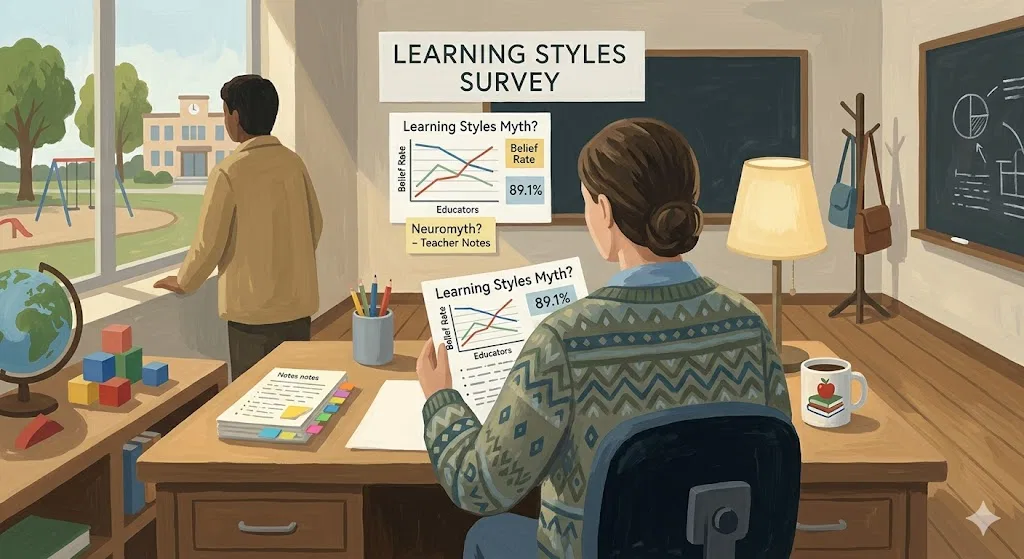
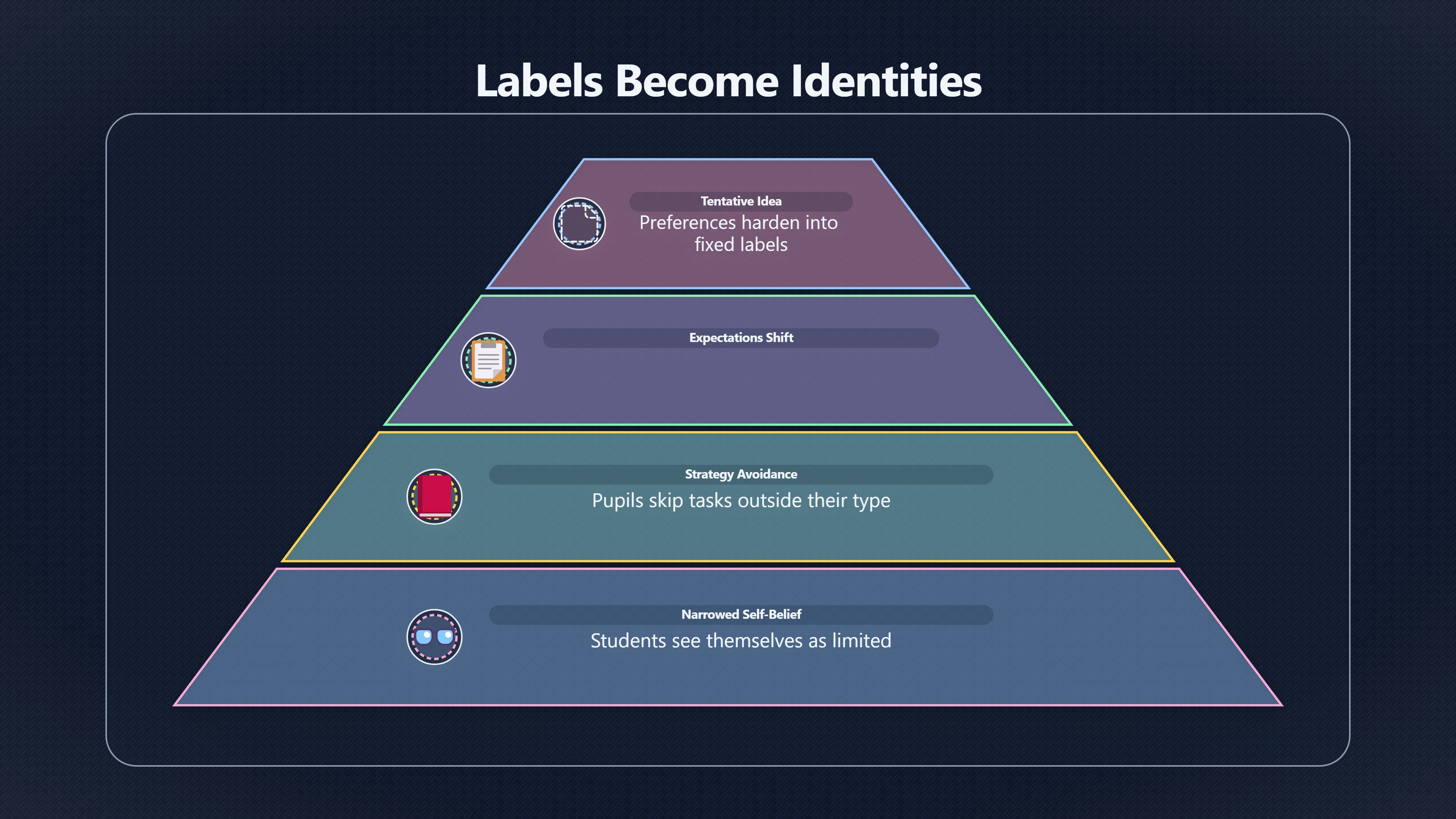
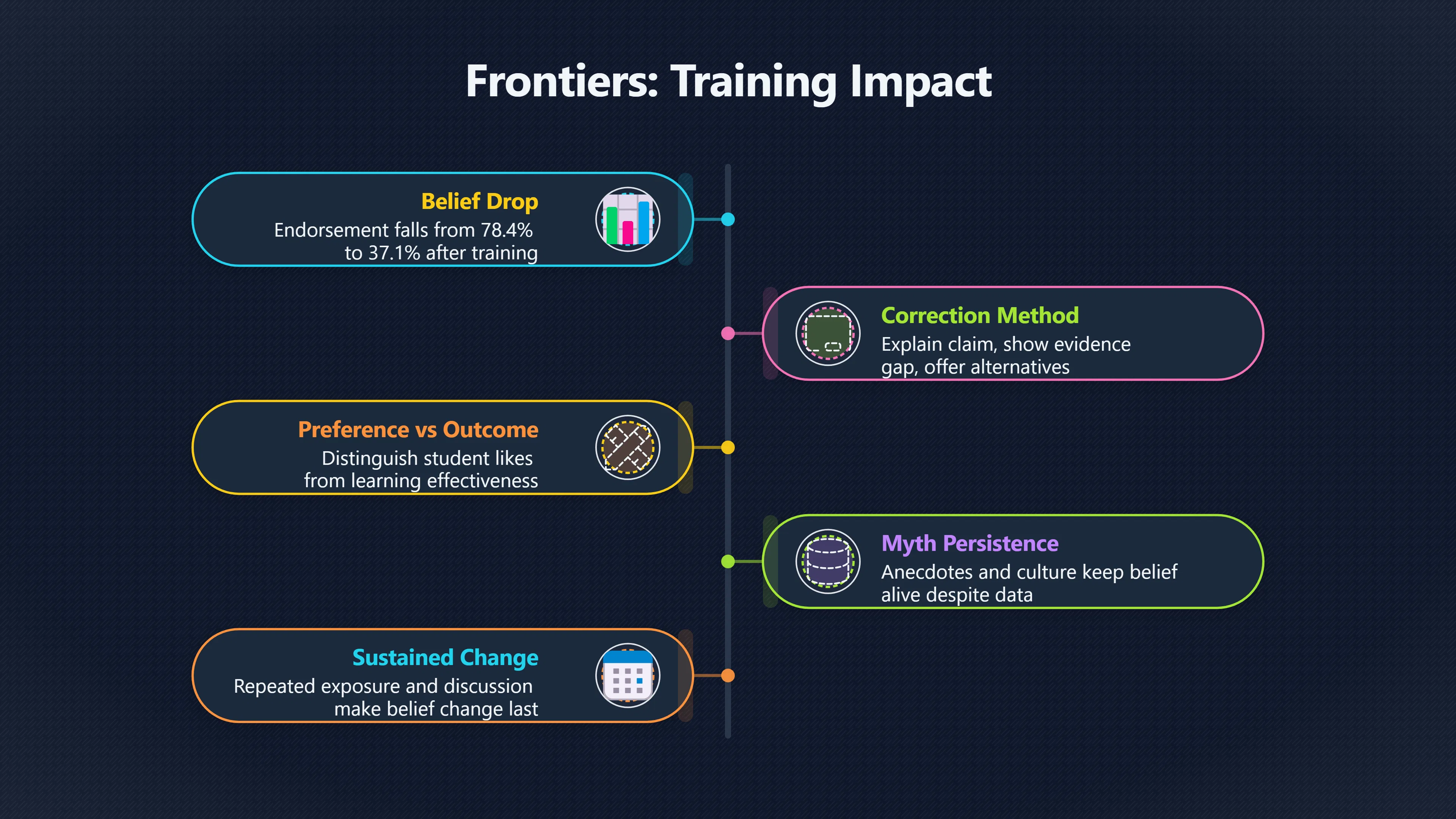
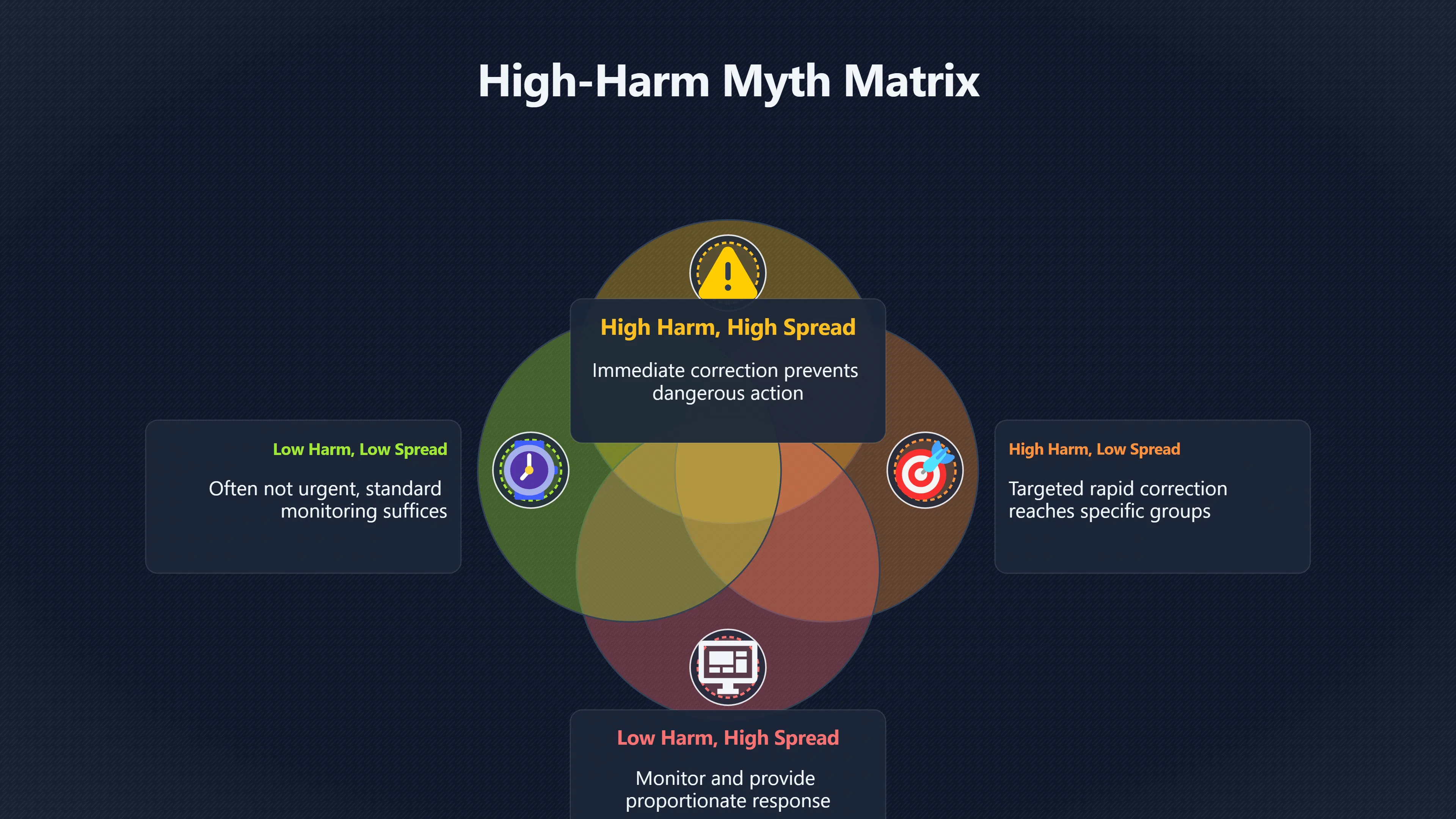
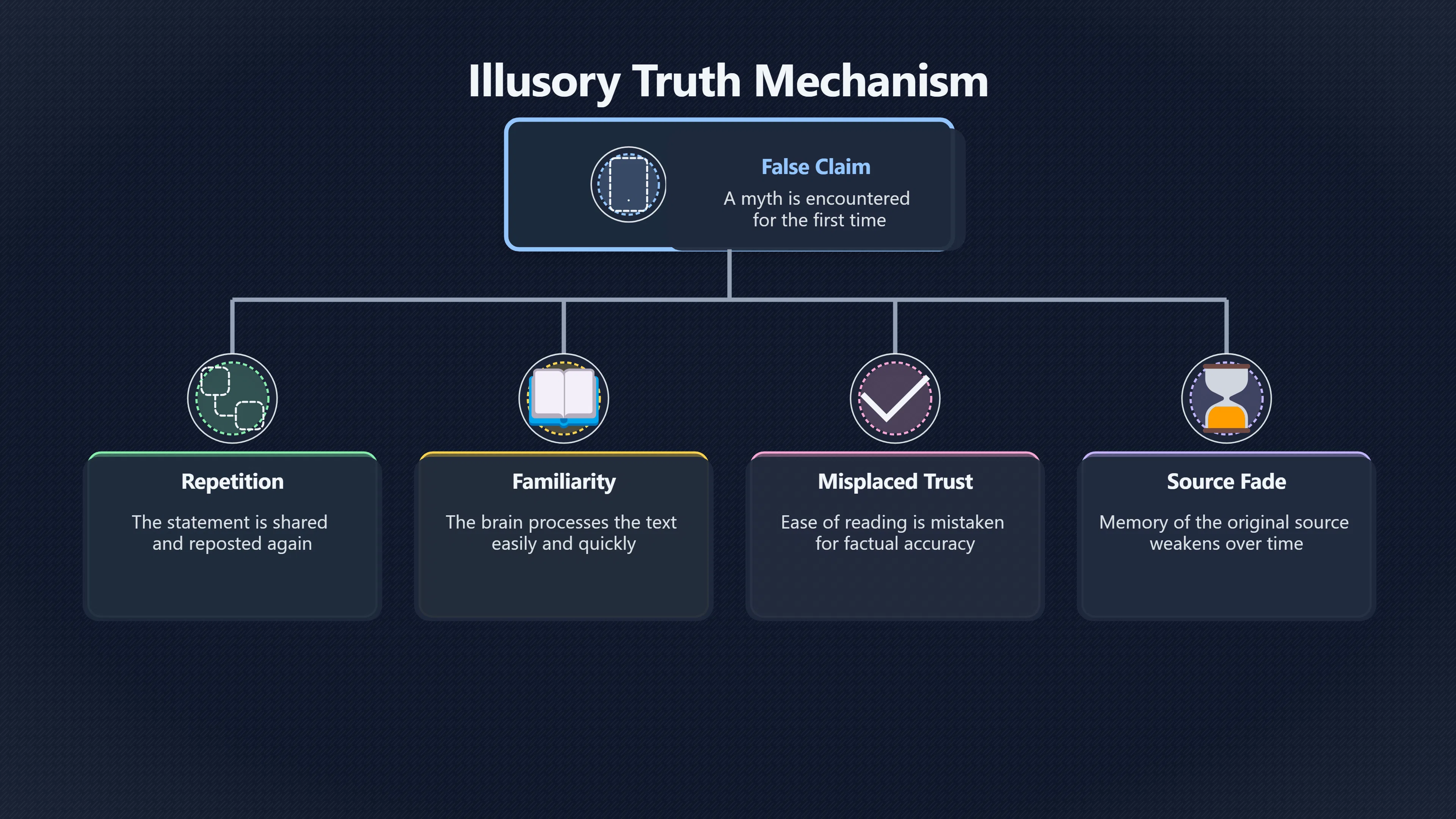
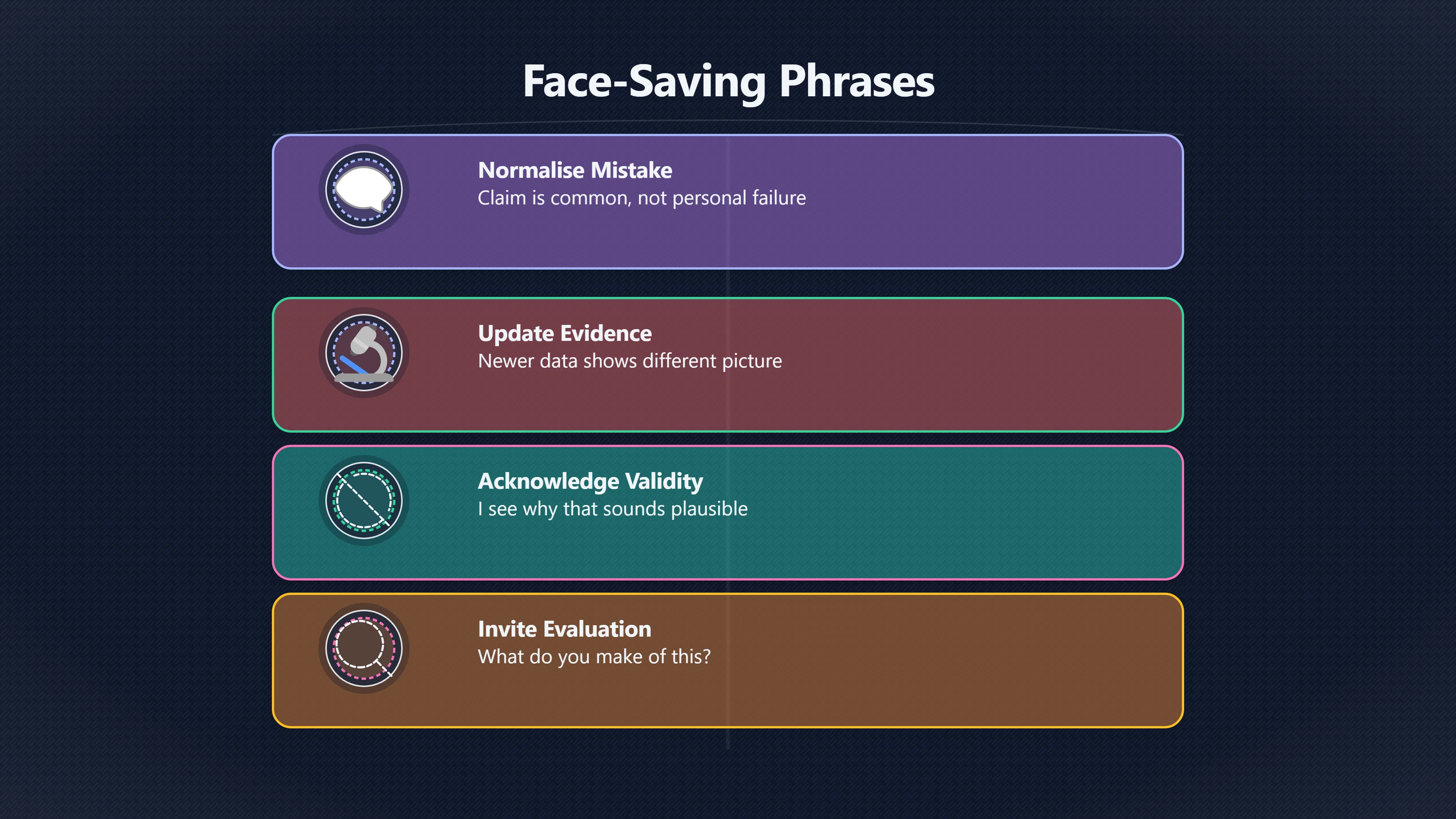
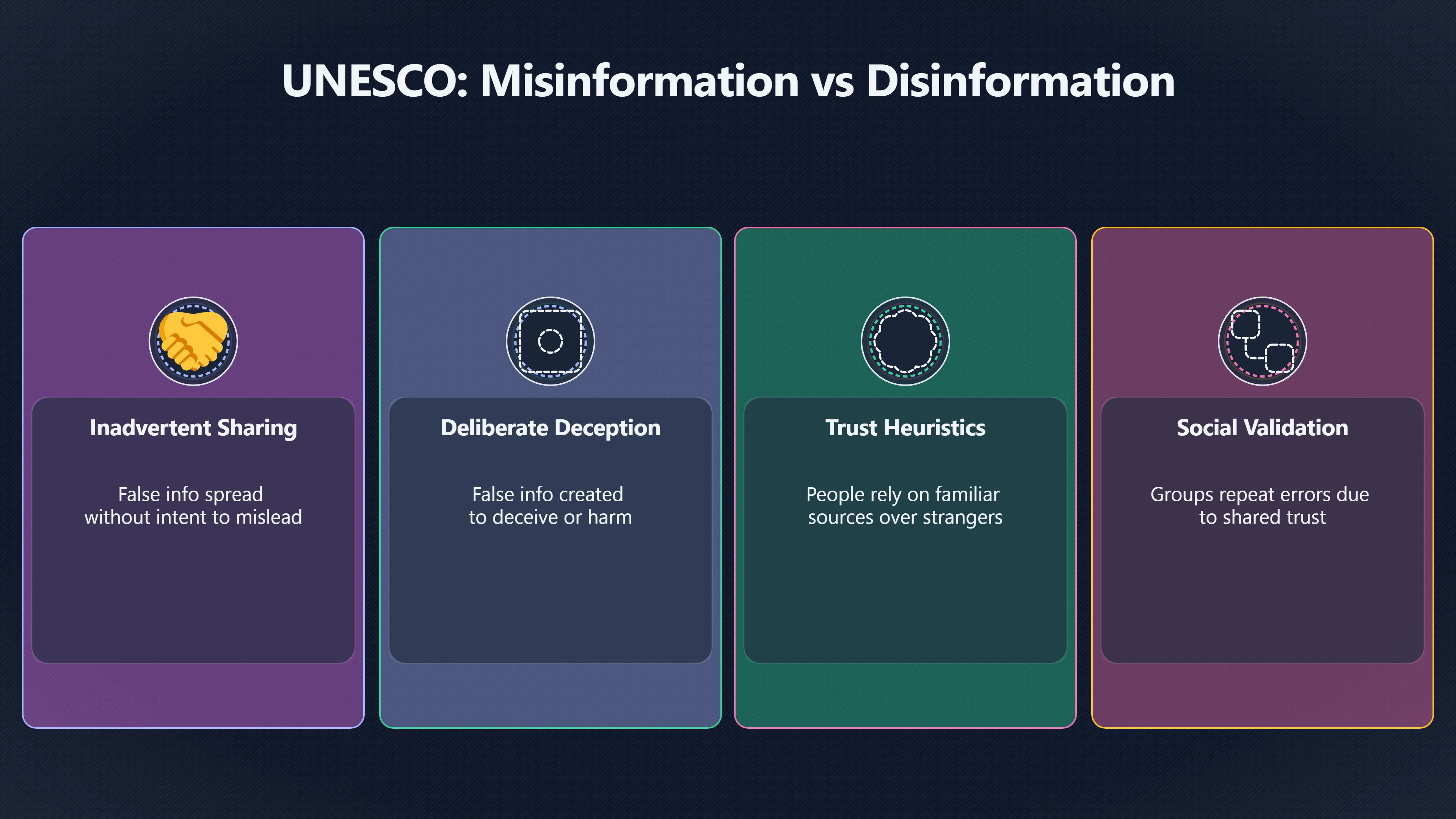
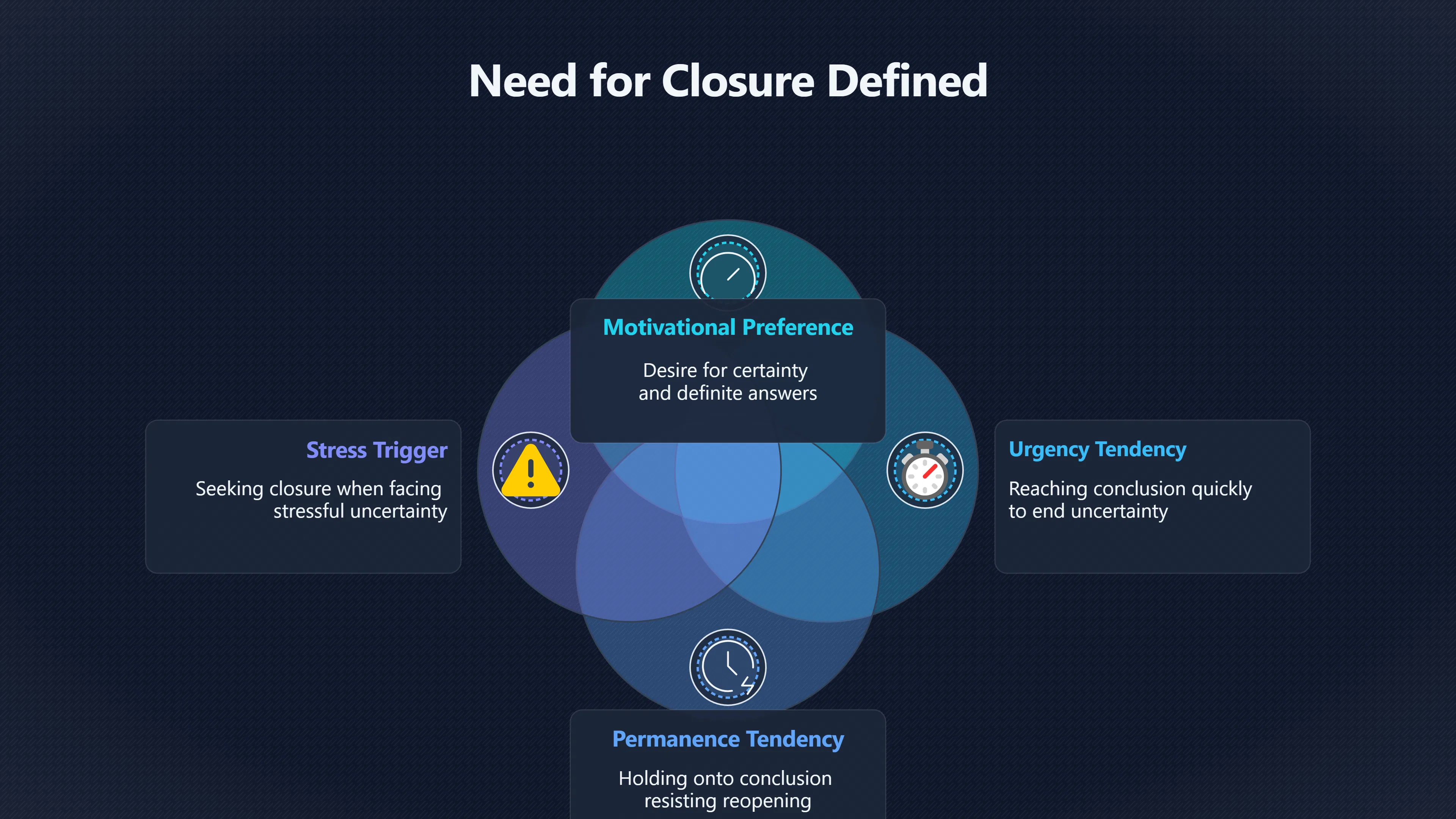
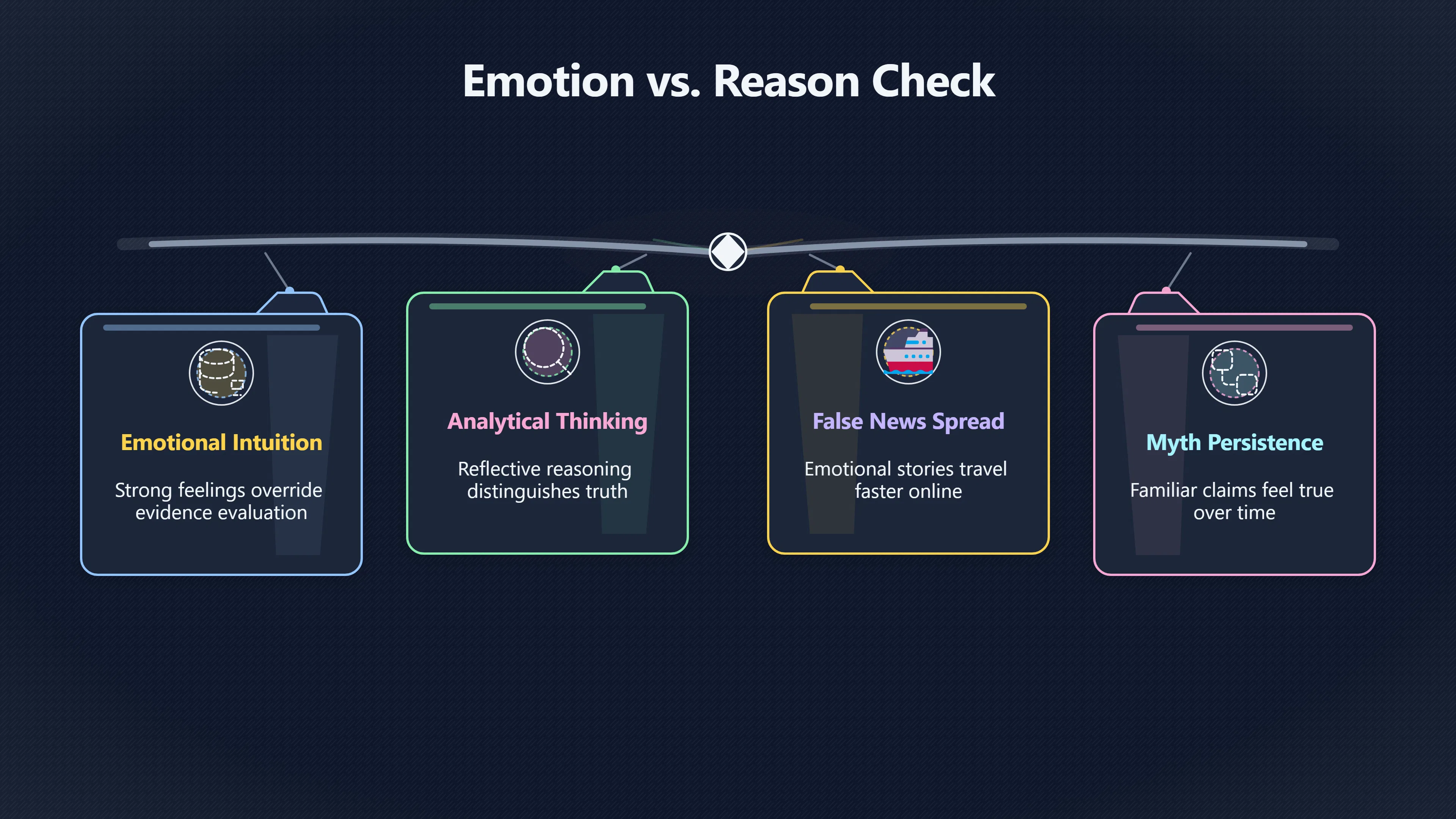
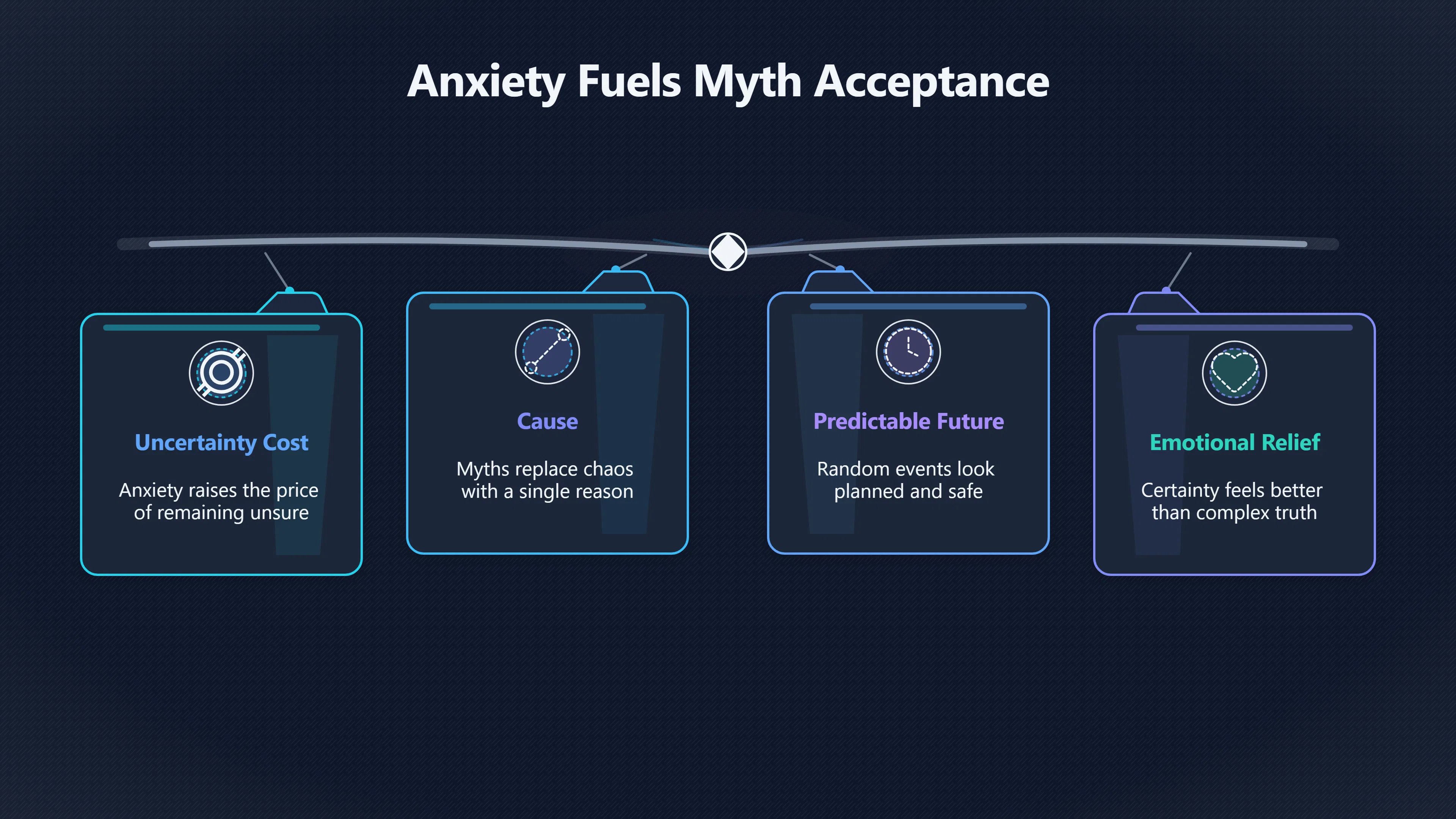
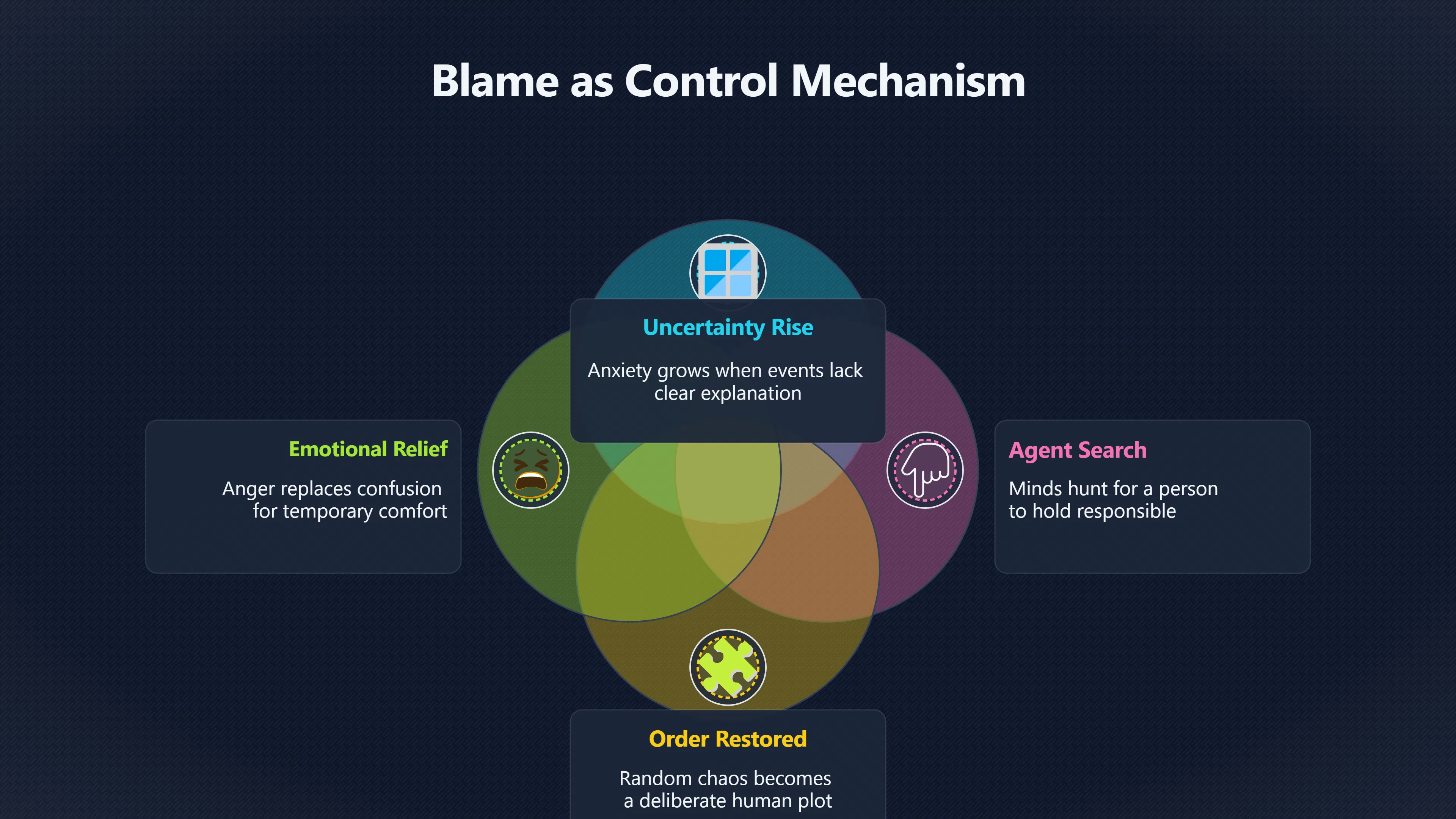
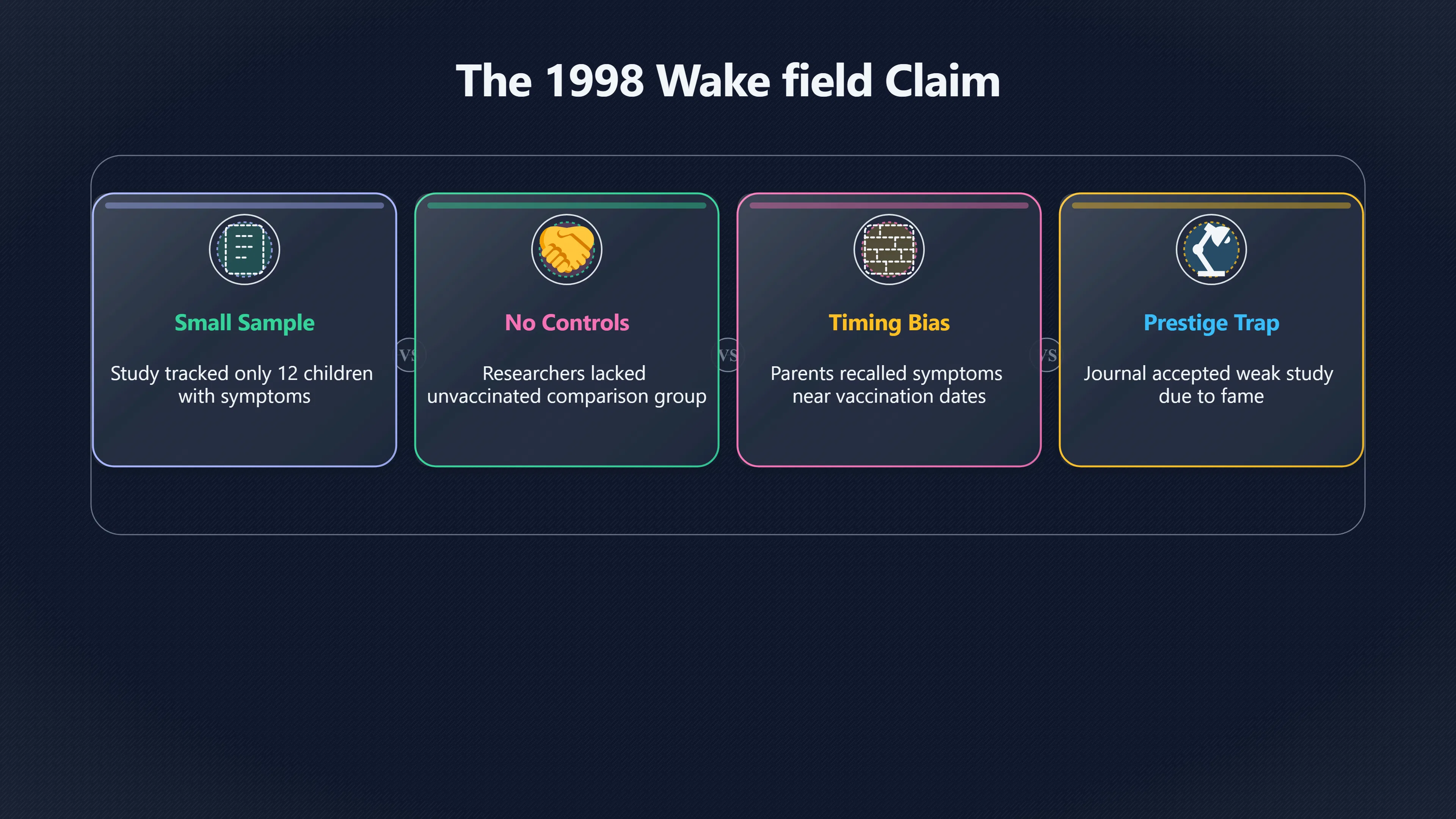
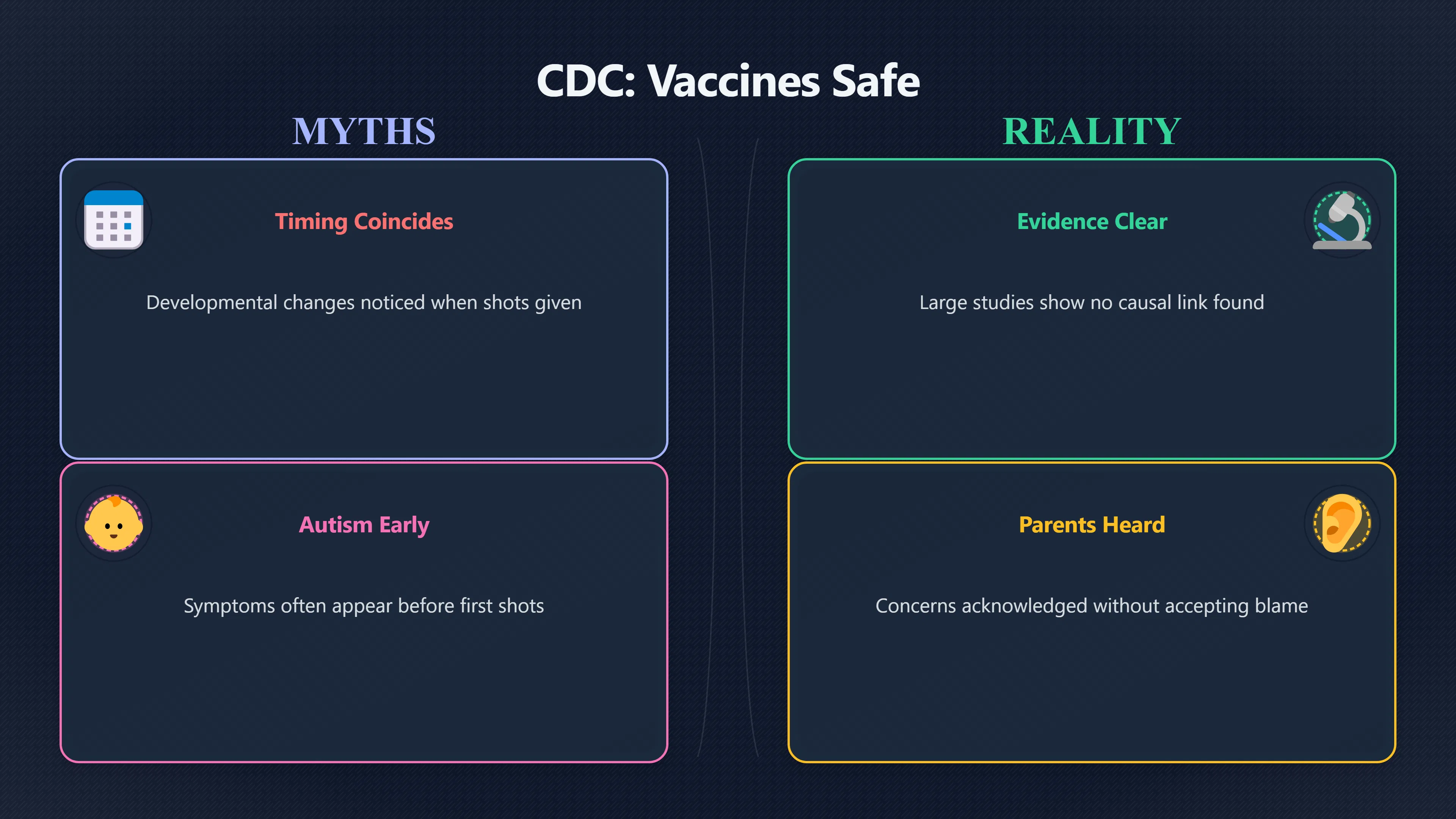
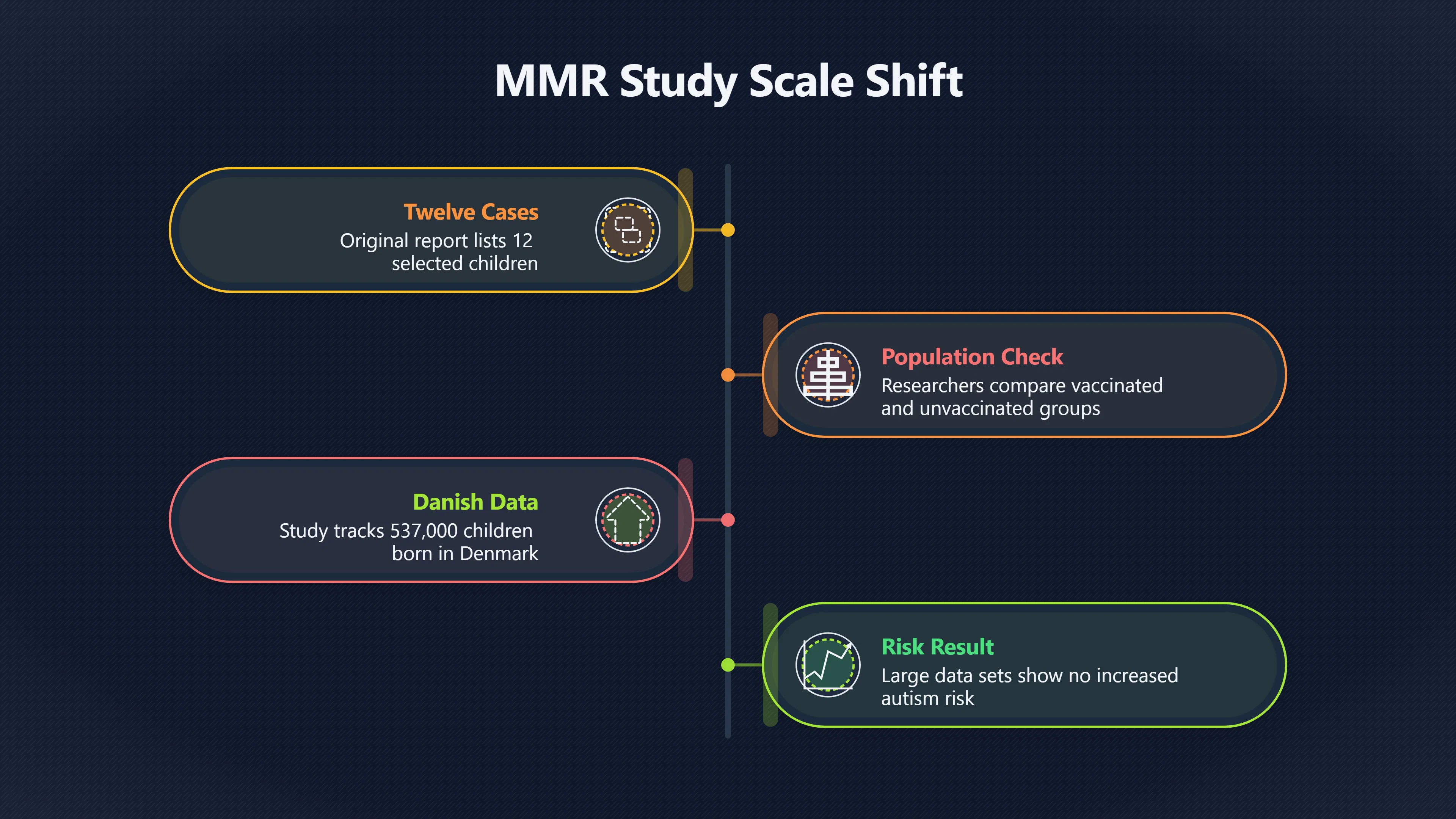
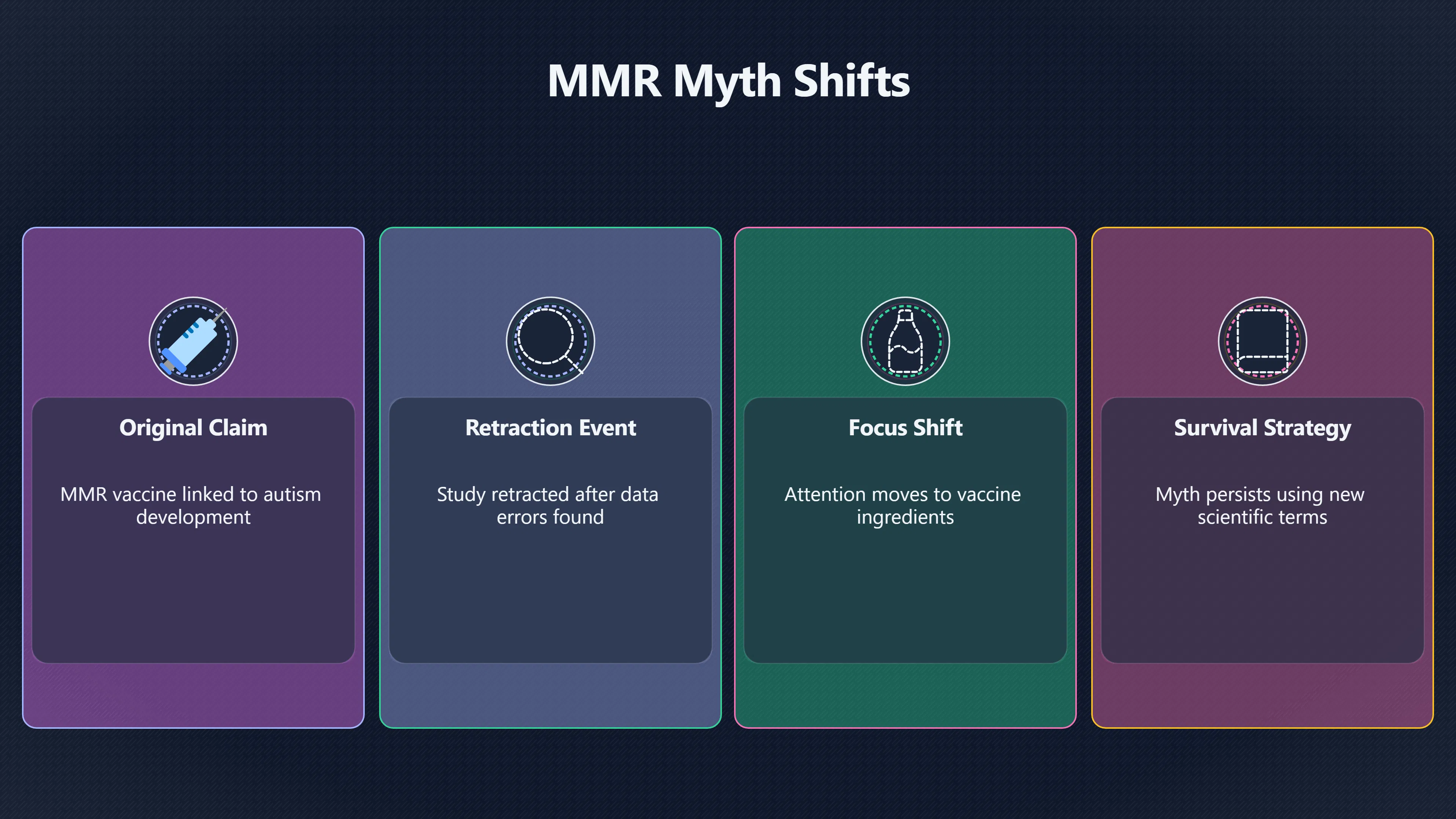
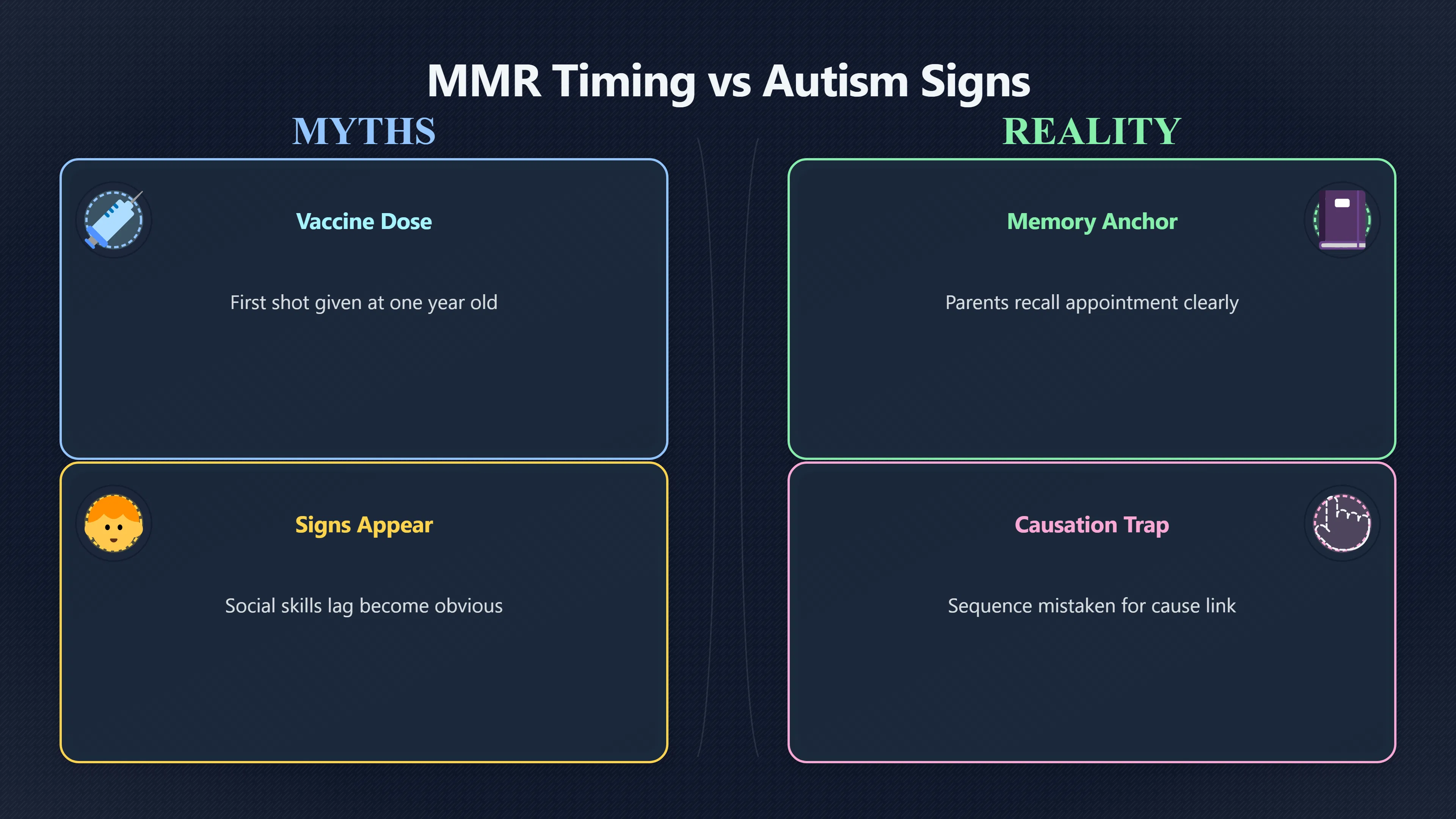
Expand all Collapse all Mythcraft Myths and misconceptions are not just “wrong facts”. They are durable stories, shortcuts or explanations that feel true enough to survive correction. 240 pages Read more 10 Brain Why the 10 Percent Brain Myth Endures The 10 percent brain claim survives because it turns complex neuroscience into an appealing promise of untapped ability. 6 pages +Show subtopics Read more William James Did William James Start the Brain Myth? William James wrote about unrealised human potential, but later retellings turned that idea into a false numerical claim about brain use. Read more Neuroplasticity Neuroplasticity Is Not Hidden Superpower Neuroplasticity means active brain networks can change with experience, not that unused regions contain superhuman abilities. Read more Brain Scans What Brain Scans Do Not Show Brain scans highlight relative changes in activity, not vast silent regions waiting to be switched on. Read more Brain Damage Why Small Brain Injuries Can Matter Injury and disease show that even small brain areas can matter for language, movement, memory, emotion, and perception. Read more Belief Appeal Why the 10 Percent Myth Feels True The myth works because it turns ordinary learning and effort into a tempting story about hidden reserves waiting to be unlocked. Read more Algorithms How Platforms Help Myths Travel Faster Digital platforms can reward emotional, repeatable claims before careful correction has time to catch up. 6 pages +Show subtopics Read more Feed Fixes Are Chronological Feeds Enough? Switching away from algorithmic feeds can change what users see, but it may not automatically reduce false belief or polarisation. Read more Outrage Boost Can Angry Replies Help Myths Spread? Angry replies can make a false post look important to a ranking system even when many users are trying to reject it. Read more Metric Gap Do Clicks Show What People Want? Clicks, likes and watch time can reward content people later judge to be unhealthy, misleading or simply not worth seeing. Read more Rumour Loops How Small Rumours Become Mass Myths A rumour that performs well early can be pushed to wider audiences before verification has time to catch up. Read more Creator Rewards When Myths Become a Business Model When attention can become followers, revenue or influence, creators have incentives to package myths in repeatable, engaging forms. Read more Analogies When Helpful Analogies Teach the Wrong Lesson Analogies can make difficult ideas easier, but they can also leave learners with the wrong model. 6 pages +Show subtopics Read more Historical Metaphors How 19 th Century Analogies Skewed Scientific Thinking Persistent analogies in historical scientific discourse shaped methods and interpretations, sometimes embedding misconceptions into the field. Read more Teaching Analogy Limits How Clear Framing Prevents Misleading Analogies in Education Explicitly showing which features of an analogy map and which do not helps learners avoid misconceptions. Read more Plumbing Analogy How Plumbing Comparisons Misrepresent Blood Circulation Using pipes as an analogy for blood flow can mislead learners about vessel flexibility and pressure dynamics. Read more Analogy Overextension When Analogies Lead to Incomplete Understanding Learners may falsely generalize features of one system to another, building shallow understanding anchored on familiar comparisons. Read more Geologic Time Why Spatial Metaphors Mislead About Geological Timelines Compressing billions of years into a spatial diagram can lead learners to misjudge the timing of evolutionary events. Read more Anecdotes When Personal Experience Becomes a Myth Many misconceptions begin when a real experience is stretched into a rule that evidence does not support. 6 pages +Show subtopics Read more Timing trap Did it work, or did time pass? A real improvement after a remedy can still be coincidence unless the cause is tested against what would have happened anyway. Read more Story limits How to respect stories without overclaiming Anecdotes are useful as signals, examples and questions, but they become misleading when used to settle general claims. Read more Safety reports What safety reports can and cannot prove Safety reports can reveal warning signals, but raw reports cannot prove that a vaccine or drug caused an event. Read more Small samples When a handful of cases looks like proof A few memorable examples can look like a rule when small samples are expected to represent the wider world too neatly. Read more Health stories Why one health story can overpower numbers Health stories can feel more convincing than stronger evidence because fear, pain and hope make single cases easier to trust. Read more Backfire Does Debunking Really Make Myths Stronger? Clear corrections usually reduce false belief, even though badly designed debunking can still fail. 6 pages +Show subtopics Read more Study Evidence Did Researchers Actually Find Backfire? Large experiments and reviews suggest factual corrections usually improve accuracy and that true backfire is rare. Read more Naming Myths How Much Should a Debunk Repeat the Myth? Good debunking names the false claim clearly enough to correct it but keeps the true claim as the message people remember. Read more Political Corrections When Corrections Work But Minds Barely Move Political corrections can improve factual accuracy while still leaving identity, trust and voting attitudes largely unchanged. Read more Distrust Risk When the Correction Becomes the Problem Corrections are most fragile when the audience sees the source as hostile, manipulative or poorly justified. Read more Correction Decay Why One Fact Check Is Often Not Enough A correction can be accurate at first but lose ground when the false story keeps returning through media, peers or elites. Read more Campaigns When Falsehoods Are Spread on Purpose Deliberate deception may require platform, policy and institutional responses as well as individual fact-checking. 6 pages +Show subtopics Read more Platform Rules Can Platforms Stop Manipulation, Not Debate? Behaviour-based rules can reduce fake accounts, hidden ads and artificial amplification while leaving room for lawful disagreement. Read more Prebunking Learning the Trick Before the Lie Prebunking prepares people to recognise emotional manipulation, scapegoating and false choices before a campaign reaches them. Read more Media Coverage Reporting Rumours Without Spreading Them Careful reporting can explain a rumour's origin, uncertainty and amplification pattern without making the false claim more memorable. Read more IRA Case The Case That Made Coordination Visible The Russian Internet Research Agency showed how fake identities, targeted pages and existing social divisions can turn deception into mass influence. Read more Astroturfing When a Crowd Is Not a Crowd Astroturfing makes organised persuasion look like ordinary public support, changing how rumours, protests and policy debates are judged. Read more Commercial Myths When Myths Come in Professional Packaging Myths gain authority when they are packaged as training, products or practical solutions for busy professionals. 6 pages +Show subtopics Read more Learning styles Do learning styles products really help? Learning-style labels can feel useful, but the evidence does not support matching lessons to fixed sensory types. Read more Adoption paths How packaged myths enter school routines Training days, consultancy networks and ready-made materials can help weak claims spread because they are easy to buy and use. Read more “Evidence Based” When evidence based becomes a sales phrase A product is not proven just because it cites research on a broad principle such as feedback, motivation or practice. Read more Brain Gym When movement becomes a brain myth Movement breaks may be sensible, but branded brain-integration claims need evidence that ordinary activity does not provide. Read more Brain based Why brain words make myths sound smarter Words such as brain-based and neural can make a weak education claim sound scientific before it has been fairly tested. Read more Common Sense When Common Sense Leads US Wrong A claim can feel sensible because it simplifies experience, not because reliable sources support it. 6 pages +Show subtopics Read more Accuracy prompts Can one prompt reduce false sharing? Small accuracy reminders can improve what people share by shifting attention from plausibility and identity toward verification. Read more Full moons Do full moons really change behavior? Full-moon beliefs show how vivid memories can overpower fair comparison when ordinary nights are not counted. Read more Learning styles Do learning styles actually improve learning? Learning preferences may feel personal, but the key claim fails when matched teaching does not reliably improve outcomes. Read more Prediction test What would we see if it were true? A claim becomes stronger when it says what should happen, what should not happen, and what evidence would count against it. Read more Hindsight Why outcomes seem obvious after they happen Hindsight bias lets people build convincing explanations after an outcome, even when the same logic could predict the opposite. Read more Concept Change How Learners Replace Wrong Ideas Students often need help replacing a mistaken model, not just adding correct facts on top of it. 6 pages +Show subtopics Read more Diagnostics The Questions That Reveal Misconceptions Good diagnostic questions expose the model behind an answer, not just whether a student chose the right option. Read more Private Universe What A Private Universe Revealed The seasons-and-moon-phase interviews show how confident learners can retain private explanations after years of instruction. Read more Conflict When Surprises Actually Change Thinking Surprising evidence helps only when students compare predictions, evidence, and a stronger replacement explanation. Read more Replacement Why Corrections Need Better Explanations Students need a better model they can use across examples, diagrams, predictions, and unfamiliar cases. Read more Everyday Models Why Wrong Science Ideas Feel Sensible Students often keep wrong science ideas because the models still make everyday experiences feel explainable. Read more Debunking The Three Parts of a Better Debunk Good corrections state the truth, warn about the false claim and explain what actually accounts for the confusion. 6 pages +Show subtopics Read more Health myths How public health corrections avoid repeating myths Public health teams use truth-sandwich corrections to answer rumours without making the misinformation the main message. Read more The trick Show the trick that made the myth plausible A strong correction shows the trick behind a claim, such as cherry-picking, false context, edited media, or source confusion. Read more Name it When should a correction repeat the myth? A debunk should identify a myth only when readers need that label to understand the correction. Read more Replacement Why a better story beats a bare denial People are more likely to drop a misconception when the correction gives them a clearer story to remember instead. Read more Fact first Why corrections should lead with the fact A correction headline works best when it gives the true answer before briefly naming the false claim it replaces. Read more Expert Trust When Expert Trust Carries Bad Claims Health beliefs can become durable when a trusted professional, institution or expert-sounding source appears to support them. 6 pages +Show subtopics Read more AI Doctors Can You Trust the Doctor on Screen? AI-made doctor videos can attach fake medical authority to supplements, cures, and health claims at social media speed. Read more MMR Case How the MMR Myth Borrowed Medical Authority The MMR-autism myth shows how a prestigious journal, a doctor, and media attention can give a false claim lasting public power. Read more False Balance When One Expert Is Not Half the Debate A myth can look stronger than it is when one dissenting expert is presented as equal to a field's wider judgement. Read more Surgisphere When Prestigious Journals Get It Wrong The Surgisphere retractions show how respected journals can briefly amplify unreliable health claims before scrutiny catches up. Read more One Doctor Why One Doctor Can Keep a Myth Alive A single credentialed voice can make a weak health claim feel credible long after journals, regulators, or evidence have moved on. Read more Fact Checks Why Fact Checking Is Not Enough Fact-checking matters, but false claims are cheap to produce and costly to correct at scale. 6 pages +Show subtopics Read more Prebunking Can Prebunking Stop Myths Earlier? Prebunking prepares people to recognise manipulation tactics before a false claim reaches them, reducing dependence on later corrections. Read more Mutation How Myths Survive After Being Debunked A corrected myth can survive by changing examples, wording, screenshots, or messengers while keeping the same underlying story. Read more Platforms When Platforms Reward Myths Over Accuracy Ranking, recommendation, monetisation, and moderation choices can either amplify myths or make reliable context easier to find. Read more Better Story Why Debunking Needs a Replacement Story Corrections are stronger when they do more than say what is false; they explain what really happened and why the myth seemed plausible. Read more Speed Gap Why Myths Move Faster Than Corrections False claims can be produced and reshared faster than careful fact-checks can investigate, explain, and reach the same audience. Read more Falling Objects Why Common Sense Gets Falling Objects Wrong Some false beliefs last because everyday experience seems to confirm them until the hidden conditions are made clear. 6 pages +Show subtopics Read more Galileo Did Galileo really prove it from a tower? Galileo's real achievement was controlled measurement, not just a dramatic tower-drop legend. Read more Home Tests Try the falling object myth for yourself Simple drop tests can show when mass matters less than air resistance, as long as the examples are chosen carefully. Read more Paper Shape Why crumpled paper beats flat paper A flat sheet and a crumpled sheet reveal why shape can matter more than mass in everyday falling. Read more Terminal Speed Why falling objects stop speeding up Terminal velocity explains why some objects stop accelerating in air even though gravity keeps pulling them downward. Read more Moon Drop Why the hammer and feather landed together The Moon demonstration made the missing condition visible by removing almost all air resistance from the fall. Read more False Balance When Both Sides Framing Misleads Readers Giving weak claims equal weight with strong evidence can make a misconception look like a live debate. 6 pages +Show subtopics Read more Vaccine Coverage Can Balanced Reporting Make Vaccine Myths Stronger? Experiments found that balanced vaccine coverage could make readers think experts were more divided than they were. Read more Equal Airtime Does Equal Airtime Create False Certainty? Giving opposing voices the same visibility can make weak claims appear as credible as a much stronger evidence base. Read more Evidence Weighting What Does Fair Reporting Look Like Instead? Weight-of-evidence approaches help audiences see where the strongest support lies without hiding disagreement. Read more Climate Debate Why Climate Science Looked More Divided Than It Was Climate reporting became a prominent example of how balanced formats can exaggerate scientific disagreement. Read more Due Impartiality Why Fairness Is Not Always Fifty Fifty Editorial standards distinguish between representing relevant viewpoints and giving every viewpoint equal weight. Read more False Info Misinformation or Disinformation: Why Intent Matters The difference between accidental falsehood and deliberate deception matters because each needs a different response. 6 pages +Show subtopics Read more Flood tactics How deception campaigns flood the truth Organised deception can work by confusing and exhausting people, not just by making them believe one false claim. Read more Overcalling When disinformation is the wrong label Calling a false claim disinformation requires evidence of deliberate deception, not just proof that the claim is wrong. Read more Better fixes Why corrections need a better story Corrections are more persuasive when they explain what really happened instead of only saying a claim is false. Read more Intent test Why intent changes the right response The same false claim can need a correction, an investigation, or both, depending on whether error or deception is driving it. Read more Platform risk Why platforms look beyond single posts Modern platform rules increasingly target networks, incentives, algorithms, and transparency gaps rather than single false posts alone. Read more Familiarity Why Repetition Makes Claims Feel True Repeated claims can feel true because familiarity makes them easier to process, even when the evidence is weak. 6 pages +Show subtopics Read more Better Corrections How to correct a myth without boosting it Good corrections lead with the truth, identify the trap carefully, and give readers a clearer explanation to remember. Read more Fluency When easy thinking feels like evidence Processing fluency explains why claims that feel easy to read, recall, or recognise can be mistaken for claims that are true. Read more Climate Claims When repeated climate claims feel established Climate misinformation shows how repetition can raise truth ratings for familiar claims without changing someone's whole worldview. Read more After Correction Why corrected myths can still sound true A false claim can keep its familiar ring after correction unless the accurate replacement becomes easier to remember. Read more Headlines Why one headline can feel familiar enough Even a single prior encounter with a headline can make it feel more accurate later, especially when people read in passing. Read more Health Claims Why Helpful Health Advice Can Be Wrong Health misinformation often spreads because people believe they are helping friends or family avoid harm. 6 pages +Show subtopics Read more Kind Corrections How to Correct Health Myths Kindly Correcting a health myth from someone close works better when the response protects the relationship as well as the facts. Read more Cancer Stories When Cancer Cure Stories Leave Out Treatment Personal cancer recovery stories can offer hope while hiding treatment details that make a cure claim unsafe. Read more Natural Remedies When Natural Sounds Safer Than Evidence Natural remedy claims can sound gentle and harmless, even when they create false confidence or delay useful care. Read more Urgent Warnings Why Urgent Health Warnings Spread So Fast Urgent health warnings can feel like protection, but speed often beats verification when fear and care are mixed together. Read more Vaccine Fears Why Vaccine Myths Feel Protective to Parents Vaccine myths can become persuasive when refusal is framed as a loving parent's safest choice. Read more Identity Why Trusted People Make Myths Stick People often judge claims through trust, community and identity as much as through evidence alone. 6 pages +Show subtopics Read more Trusted Fixes How corrections avoid sounding like attacks Corrections work better when they protect the listener's dignity while separating a trusted person from a false claim. Read more Group Loyalty When a myth becomes a loyalty test Some myths persist because accepting or rejecting them signals loyalty, courage, compassion, scepticism, or belonging. Read more Expert Limits When experts are trusted for the wrong thing A credible professional can accidentally lend authority to a false claim when they speak confidently beyond what they actually know. Read more Influencers Why familiar influencers can sound reliable Online creators can feel personally trustworthy even when their fact-checking routines are weak or invisible to followers. Read more Family Advice Why family health myths feel so convincing Health myths can feel safest when they come from parents or relatives who shaped a person's earliest ideas about care and risk. Read more Influencers When Authority Shortcuts Spread Myths People often use a familiar person's confidence as a shortcut for credibility, especially online. 6 pages +Show subtopics Read more Viral Proof When Likes Make Myths Look True High engagement can make a weak claim feel safer to trust before viewers have checked what the post actually proves. Read more Lane Drift When Trusted Influencers Leave Their Lane Audiences can mistake trust in a creator's lifestyle, politics, or fitness content for expertise on unrelated evidence-heavy claims. Read more Local Voices Who Can Correct Influencer Myths? Corrections work better when accurate information comes from people the audience already recognizes and trusts. Read more Check First Why Creators Share Before They Check Many creators share information without systematic verification, even when their audience treats the post like researched advice. Read more Felt Trust Why Influencer Health Advice Feels Personal A familiar creator can make health advice feel personal and caring even when the claim needs medical expertise. Read more Key Terms Myth or Misconception: What Is the Difference? Myths are widely repeated false stories, while misconceptions are mistaken understandings that may be sincere. 6 pages +Show subtopics Read more Better Corrections Correct the Story or Fix the Model? Myths often need public reframing, while misconceptions usually need a better explanation that fills the gap left behind. Read more Cultural Myths How False Claims Become Shared Stories Some false claims survive because they become familiar stories that people repeat before they ever check the evidence. Read more Tell Them Apart Is It a Myth or a Misconception? A practical test asks whether a belief mainly spreads through repetition or mainly rests on a mistaken explanation. Read more Myth to Model When Repeated Claims Shape Understanding A repeated claim can become the starting point for a larger mistaken model about health, intelligence, history or science. Read more Mistaken Models Why Wrong Explanations Can Feel Right A misconception often persists because it gives people a simple working explanation that fits what they think they see. Read more Learning Styles Do Learning Styles Really Improve Learning? Students may have preferences, but matching teaching to fixed learning styles is not supported as a reliable learning strategy. 6 pages +Show subtopics Read more Labels risk Can a helpful label hold students back? A label meant to support a child can quietly shape what adults expect them to enjoy, attempt or succeed at in school. Read more Content first Let the content choose the mode Diagrams, discussion, sound, movement and practice can all help, but the best choice usually depends on the subject matter and learning goal. Read more Survey trap The planning time learning styles steal Style inventories can make personalisation look precise while pulling attention away from explanations, practice and feedback. Read more Self labels When students believe they learn only one way Students may avoid useful study strategies when a style label becomes part of how they explain success and difficulty. Read more Matching claim Why the matching claim falls apart The key claim is not that students differ, but that matching instruction to a style improves learning, and that claim has not held up. Read more Left Brain Are People Really Left Brain or Right Brain? Left-brain and right-brain learner labels oversimplify brain function and can distract from better teaching choices. 6 pages +Show subtopics Read more Imaging study Did brain scans find left brained people? A large imaging study found local left and right brain patterns, not a global split between left-brained and right-brained people. Read more Creativity myth Is creativity really a right brain skill? Creativity depends on integrated thinking across both hemispheres, not a special right-brain mode teachers can switch on. Read more Lateralisation What brain lateralisation really means Brain functions can be partly lateralised, but that does not mean people learn through one dominant hemisphere. Read more Learner labels When brain labels shrink expectations Calling a child left-brained or right-brained can turn a temporary preference into a false limit on what they are expected to learn. Read more Style matching Why matching styles is not enough Teaching works best when methods fit the material and task, not when they are matched to a claimed brain style. Read more Media Literacy How Media Literacy Prevents Myths Media literacy helps people ask better questions before a false claim becomes familiar and emotionally anchored. 6 pages +Show subtopics Read more SIFT method A simple checklist for suspicious claims The SIFT method turns media literacy into a simple routine: stop, investigate, find better coverage, and trace the claim. Read more Prebunking Can warning people before myths work better? Prebunking teaches people to recognize familiar misinformation tactics before a specific false claim becomes memorable. Read more Emotional Headlines When outrage should make you pause Strong emotion is not proof of falsehood, but outrage, fear, and simple villains are signals to slow down before believing or sharing. Read more Lateral reading Why leaving the page can reveal more Lateral reading helps readers check who is behind a claim before polished design or confident wording makes it feel credible. Read more Practice limits Why one lesson is rarely enough Media literacy can be taught, but one-off lessons are weaker than repeated practice across changing platforms and formats. Read more Memory Why Memory Is Not a Video Recording Memory is reconstructive, so confident recall is not the same as a perfect recording of events. 6 pages +Show subtopics Read more Leading Questions Can a Question Change a Memory? Small wording changes after an event can steer what witnesses later remember without making them dishonest. Read more Fair Lineups What Makes an Eyewitness Lineup Fair? Lineup design can reduce suggestion by limiting cues that point witnesses toward a suspect before memory is tested. Read more Confidence When Should We Trust Witness Confidence? Confidence can matter most when recorded early under fair conditions, but later confidence may reflect contamination. Read more Retelling Why Repeated Stories Feel More True Retelling a story can make it feel clearer and more convincing even when the remembered details have shifted. Read more Flashbulb Memory Why Vivid Memories Can Still Be Wrong Vivid memories of shocking events can feel photographic while still changing in important details over time. Read more Mental Models Why Wrong Ideas Can Feel Coherent Misconceptions can feel stable because they fit into a wider model of how the world works. 6 pages +Show subtopics Read more Better Story How Better Stories Beat Bad Myths Effective debunking gives people a clearer alternative explanation instead of leaving the old myth as the only complete story. Read more Contradictions When Contradictions Make Myths Stronger Some conspiracy models survive correction by treating official denials, failed predictions, and expert consensus as part of the plot. Read more Earth Models When Wrong Earth Models Make Sense Children's Earth models show how wrong ideas can be creative attempts to reconcile teaching with everyday experience. Read more Retracted Causes Why False Causes Stick After Correction A retracted detail can keep guiding judgment when it still fills the missing cause in a person's story of what happened. Read more Natural Myths Why Natural Health Myths Feel Coherent Natural health myths feel convincing when safety, distrust, and personal testimony all reinforce the same simple model. Read more Neuromyths Why Brain Myths Spread in Schools Brain-based claims can look scientific while oversimplifying what neuroscience actually says about learning. 6 pages +Show subtopics Read more Critical periods Are children ever too late to learn? Critical period myths can make learning difficulties seem time-limited when development is usually more flexible and gradual. Read more Learning styles Do learning styles really improve lessons? Learning styles feel respectful of pupil differences, but matching lessons to fixed sensory types has not shown reliable learning gains. Read more Training rubrics How teacher training can preserve myths Neuromyths spread when training templates and observation rubrics treat weak brain claims as professional standards. Read more Brain Gym When movement breaks become brain myths Movement breaks can help classrooms, but Brain Gym-style claims about hemispheric integration go beyond the evidence. Read more Brain labels Why left brain labels mislead teachers Left-brain and right-brain labels turn real hemispheric differences into misleading learner types that can narrow expectations. Read more Old Stories Why Corrected Myths Still Linger A myth can keep shaping judgement after correction when the debunking removes a story without replacing it. 6 pages +Show subtopics Read more Memory Gap Knowing it is false is not enough People may recall that a claim was false while still using it to judge motives, risks or blame. Read more Replacement The missing piece in stronger corrections Corrections work better when they give readers a simple alternative account to use instead of the myth. Read more Myth vs Fact When myth versus fact pages fall short Myth-versus-fact formats can fail when the false claim remains more vivid and complete than the correction. Read more Old Causes Why corrected causes still feel useful A false cause can keep guiding people's explanations even after they remember that it was corrected. Read more Fire Study Why the warehouse fire myth lingered The classic warehouse fire experiment shows how a corrected detail can still explain explosions, fumes and severity. Read more Platform Design Can Platform Design Slow Myths Down? Design decisions around friction, labels, recommendations and sharing can change how far myths travel. 6 pages +Show subtopics Read more Sharing Prompts Can a Pause Stop a False Claim? A small pause before reposting can reduce myth spread by shifting users from impulse to attention at the moment a claim travels. Read more Community Notes Can Crowds Catch Viral Misinformation Fast Enough? Community notes can add trusted context to misleading posts, but fast-moving myths may outrun the rating process that makes notes visible. Read more Algorithms The Hidden Engine Behind Myth Spread Recommendation systems can amplify myths when they optimize for engagement, or limit them when ranking signals value reliability and harm reduction. Read more Warning Labels When Do Misinformation Labels Actually Work? Warning labels can lower belief in false claims, but vague or distrusted labels may fail or even harden group resistance. Read more Accuracy Nudges Why Asking About Accuracy Changes Sharing Accuracy prompts work by reminding users to consider truth, not just emotion, identity or social approval, before passing news along. Read more Politics Why Political Myths Resist Correction Political myths are hard to correct when accepting the correction feels like rejecting a group or worldview. 6 pages +Show subtopics Read more Group Cues How Online Crowds Make Myths Feel True Likes, shares, replies, and silence can make a false claim feel socially approved before anyone checks the evidence. Read more Low Conflict How to Correct Myths Without Starting a Fight Corrections work better when they let people reconsider a claim without feeling humiliated, attacked, or expelled from their group. Read more Smart Defenses When Smart People Defend False Political Claims More knowledge can sometimes make people better at protecting identity-aligned conclusions rather than abandoning them. Read more Social Risk Why Changing Your Mind Can Feel Like Betrayal Accepting a correction can threaten friendships, family ties, status, and belonging when a myth has become a group signal. Read more After Fact Checks Why Fact Checks Fix Facts, Not Worldviews A correction may weaken one false claim while leaving the larger distrustful story that made it persuasive intact. Read more Prebunking Can You Protect People Before Myths Spread? Prebunking teaches people the tricks behind misleading claims before they encounter a specific myth. 6 pages +Show subtopics Read more Emotion cues Can a warning slow outrage sharing? Emotional prebunks teach readers to spot outrage, fear, or disgust cues before those feelings turn into belief or sharing. Read more Election rumours How election prebunks protect basic voting facts Election prebunks work best when they point voters toward official dates, locations, and vote-counting channels before rumours spread. Read more Fact vs tactic Should a prebunk name the myth or the trick? Some warnings target a likely false claim, while others teach a reusable trick that can travel across topics. Read more Fading effects Why one prebunk is not permanent immunity A prebunk can improve recognition of manipulation, but its effects may weaken unless people see reminders in the right places. Read more Bad News game Why pretending to mislead can teach resistance Playing the role of a misinformation producer can make manipulation tactics more visible when readers encounter them later. Read more Rumour Gaps Why Debunks Need a Better Story Corrections work better when they fill the explanatory gap that made the rumour useful in the first place. 6 pages +Show subtopics Read more Fire Scenario The Fire Rumour That Still Explains Too Much The warehouse fire scenario shows how people can remember a correction but still rely on a disproved cause when explaining events. Read more Vote Delays When Slow Counting Needs a Better Story Explaining ballot verification and counting steps can replace a fraud rumour with a clearer account of why delays happen. Read more Uncertainty When We Do Not Know Yet Is Better Saying what is known, unknown, and still being tested can replace false certainty without pretending the evidence is complete. Read more Outbreak Origins Why Outbreak Rumours Need Origin Stories Outbreak rumours are easier to correct when evidence about genetics and transmission gives people a plausible origin story. Read more Bare Denials Why Saying False Is Not Enough A correction can reduce belief yet still leave people using the old rumour when it remains the only available explanation. Read more Sciencey Words Why Sciencey Language Makes Myths Persuasive Technical words can give myths a false aura of authority when readers cannot easily judge the underlying evidence. 6 pages +Show subtopics Read more Brain Jargon The Brain Words That Sell Weak Explanations Irrelevant brain language can make ordinary explanations feel more satisfying even when it adds no real support. Read more Untestable Claims The Claim That Cannot Lose A claim that can explain away every failure is protected from evidence rather than supported by it. Read more Detox Claims What 'Detox' Claims Usually Leave Out Detox language often turns real body processes into broad product promises that are hard to measure or falsify. Read more Clinically Proven When 'Clinically Proven' Does Not Prove Much A label can say 'clinically proven' while hiding whether the tested outcome, comparison group and study quality support the promise. Read more Quantum Claims Why 'Quantum' Makes Weak Claims Sound Deeper Words like 'quantum', 'frequency' and 'resonance' can make vague wellness products sound precise without adding a testable claim. Read more Slogans Why Myths Beat Nuance in a Sentence Myths often win because short slogans travel better than the slower, more qualified truth. 6 pages +Show subtopics Read more Backfire Risk Can myth busting accidentally spread myths? Putting the myth first can accidentally advertise it unless the correction leads with the fact and explains the misleading move. Read more Corrections What should replace a false slogan? A useful correction does more than say false; it gives people a better explanation they can remember and reuse. Read more Health Slogans When health slogans leave out risk Simple health rules can mislead when they erase dose, context, trade-offs, and the difference between mild and serious risks. Read more Emotion Why emotional myths travel faster Claims that trigger surprise, anger, pride, or belonging can travel farther because they give people a reason to share. Read more Repetition Why repetition makes myths feel true Repetition can make a false claim feel familiar and believable, even when people have seen corrections before. Read more Study Practice What Helps Learning More Than Learning Styles? Evidence-backed study practices offer a stronger route to learning than sorting students into fixed styles. 5 pages +Show subtopics Read more Check gaps How recall reveals what students really know Recall activities help teachers spot forgotten knowledge and misconceptions before they become harder to fix. Read more Fit the task Match the method to the lesson, not the label Good teaching often varies format because the task demands it, not because each student has a fixed sensory type. Read more Style surveys Why learning preferences do not prove learning styles Students may prefer certain formats, but preference alone does not show that matching instruction improves achievement. Read more Self testing Why rereading feels easier but works less well Rereading can feel fluent in the moment, but self-testing usually produces stronger delayed recall. Read more Teacher Belief How Common Is Belief in Learning Styles? High reported belief in learning styles shows how an unsupported idea can become normal in professional culture. 6 pages +Show subtopics Read more Learner labels The hidden risk of learner labels Calling a pupil a visual or auditory learner can turn a weak theory into a fixed label that narrows effort and strategy. Read more Correction What changes minds about learning styles Correction can reduce endorsement sharply when it explains the matching claim and gives teachers usable alternatives. Read more Reported use When belief becomes classroom routine The Wellcome survey shows how learning styles moved from belief into lesson planning and classroom routines. Read more Teacher belief Why new teachers still inherit learning styles Belief in learning styles appears high among both qualified teachers and people still entering the profession. Read more Survey wording Why survey questions make the myth easy to endorse Small changes in survey wording can blur preferences, variety and the stronger matching claim that evidence reviews reject. Read more Teacher Corrections Can Teacher Training Reduce Education Myths? Specific, evidence-based interventions can reduce belief in education myths when they explain the problem clearly. 6 pages +Show subtopics Read more Training design How Teacher Training Can Keep Myths Gone Durable correction needs pre-checks, clear refutation, replacement practices, follow-up coaching and audits of old materials. Read more Personalised fixes Should Every Teacher Hear Every Myth? Personalised myth correction may support conceptual change, but repeated exposure to weakly held myths can increase familiarity. Read more Learning styles What Should Replace Learning Styles? The strongest corrections separate real pupil preferences from the unsupported claim that matching sensory styles improves learning. Read more Practice gap When Debunking Does Not Change Teaching Teachers may reject a myth on a survey while old labels, worksheets and school routines keep the practice alive. Read more Refutation texts Why Some Myth Corrections Actually Stick Refutation texts work best when they name the myth, reject it clearly and replace it with a better explanation teachers can use. Read more Timing When Should a Myth Be Corrected? Fast, clear correction can limit damage, but rushed debunking can also confuse people if evidence is still uncertain. 6 pages +Show subtopics Read more Amplification Can a correction spread the myth further? Some rumours need public correction, while others are better handled quietly before a wider audience sees them. Read more Late labels Do warning labels arrive too late? Labels and context boxes can help, but they arrive too late if a false post has already done most of its travelling. Read more Holding fixes When should you correct before certainty? A holding correction can reduce harm early by separating what is known, unknown and safest to do next. Read more High harm Which myths need the fastest correction? Health, safety, finance and voting rumours can require faster action because people may act before a full debunk is ready. Read more Familiarity Why do repeated myths start feeling true? Familiarity can make a myth feel credible even when people no longer remember where it came from. Read more Tone Why Shaming People Makes Corrections Harder Even accurate corrections can fail when they make people feel attacked, embarrassed or talked down to. 6 pages +Show subtopics Read more Face saving How to Correct Without Cornering Someone Face-saving corrections make it easier to accept better information without treating the original mistake as a personal failure. Read more Intent Mistaken Is Not Always Malicious Treating every false claim as deliberate deception can make honest mistakes harder to repair and bad actors harder to identify. Read more Replacements The Missing Piece in Many Corrections The strongest corrections do more than say a myth is wrong; they give readers a clearer explanation to use instead. Read more Public replies When Public Correction Becomes Public Shaming Public correction can inform bystanders, but ridicule and quote-post dunking can turn fact-checking into a status fight. Read more Reactance Why Harsh Corrections Can Trigger Defiance A correction framed as contempt or pressure can make people defend their autonomy instead of reconsidering the claim. Read more Uncertainty Why Uncertainty Makes Myths Appealing Myths often spread during uncertainty because they offer certainty, blame or a rule of thumb when people feel unsettled. 6 pages +Show subtopics Read more Communicating Can Honest Uncertainty Build More Public Trust? Clear explanations of what is known and unknown can maintain trust without relying on oversimplified stories. Read more Need Closure How the Need for Closure Fuels Conspiracy Beliefs The desire for quick and definite answers can make conspiracy explanations feel emotionally satisfying. Read more Fake News When Feelings Override Evidence in News Judgments Strong emotional reactions can make false information seem credible even when evidence is available. Read more Anxiety Effects Why Do Anxious People Prefer Simple Explanations? Anxiety increases the appeal of explanations that replace ambiguity with a clear story and outcome. Read more Blame Seeking Why Uncertainty Creates a Search for Someone to Blame Assigning responsibility can reduce discomfort when complex events seem confusing or uncontrollable. Read more Vaccines What the Vaccine Autism Myth Teaches Debunkers The MMR-autism claim shows why corrections need to explain discredited origins, later evidence and timing confusion. 6 pages +Show subtopics Read more Wakefield paper How One Weak Paper Became a Public Myth The Wakefield paper became powerful before its weak design, misconduct findings and retraction caught up with its public impact. Read more Respectful correction How To Correct The Myth Without Harm A better correction rejects false vaccine claims while respecting parents and avoiding language that treats autism as a catastrophe. Read more Large studies What Larger Studies Found About MMR Later studies moved the question from 12 selected children to hundreds of thousands of children without finding increased autism risk. Read more Shifting claims When The Claim Changes Its Target Claims often move from MMR to thimerosal, mercury or aluminium, but broader reviews still do not support a vaccine-autism link. Read more Timing trap Why The Timing Can Feel So Convincing MMR vaccination and visible autism signs can happen in the same early years, making a real sequence feel like proof of cause. Read more Search pages Search topic, branch, or keyword... Scope 240 pages Search pages Clear