Within Mythcraft
How Media Literacy Prevents Myths
Media literacy helps people ask better questions before a false claim becomes familiar and emotionally anchored.
On this page
- Checking sources
- Spotting emotional framing
- Building better sharing habits
Page outline Jump by section
Introduction
Media literacy is one of the most effective ways to prevent myths from taking hold in the first place. Rather than waiting for a false claim to spread and then attempting to correct it, media literacy teaches people how to evaluate information before they accept, remember, or share it. This matters because once a claim becomes familiar and emotionally meaningful, correction becomes much harder. Prevention often succeeds where correction struggles.
Modern media literacy goes beyond teaching people how news works. It focuses on practical habits: checking who created a claim, understanding why content was published, recognising manipulation techniques, and slowing down before sharing. UNESCO describes media and information literacy as a key defence against disinformation because it helps people distinguish reliable information from misleading content and navigate digital environments more critically.[UNESCO]unesco.orgMedia and information literacy is first line of defence againstSince its publication in late 2018, Journalism, Fake News and Disinf…
Within the broader challenge of myths and misconceptions, media literacy is valuable because it acts upstream. It aims to reduce susceptibility before falsehoods become familiar, socially reinforced, or emotionally anchored.
Why Prevention Is Easier Than Correction
Many myths succeed because they arrive before scrutiny does. A dramatic claim can be shared thousands of times within hours, while careful verification often takes longer. By the time a correction appears, people may already have incorporated the claim into their understanding of an issue.
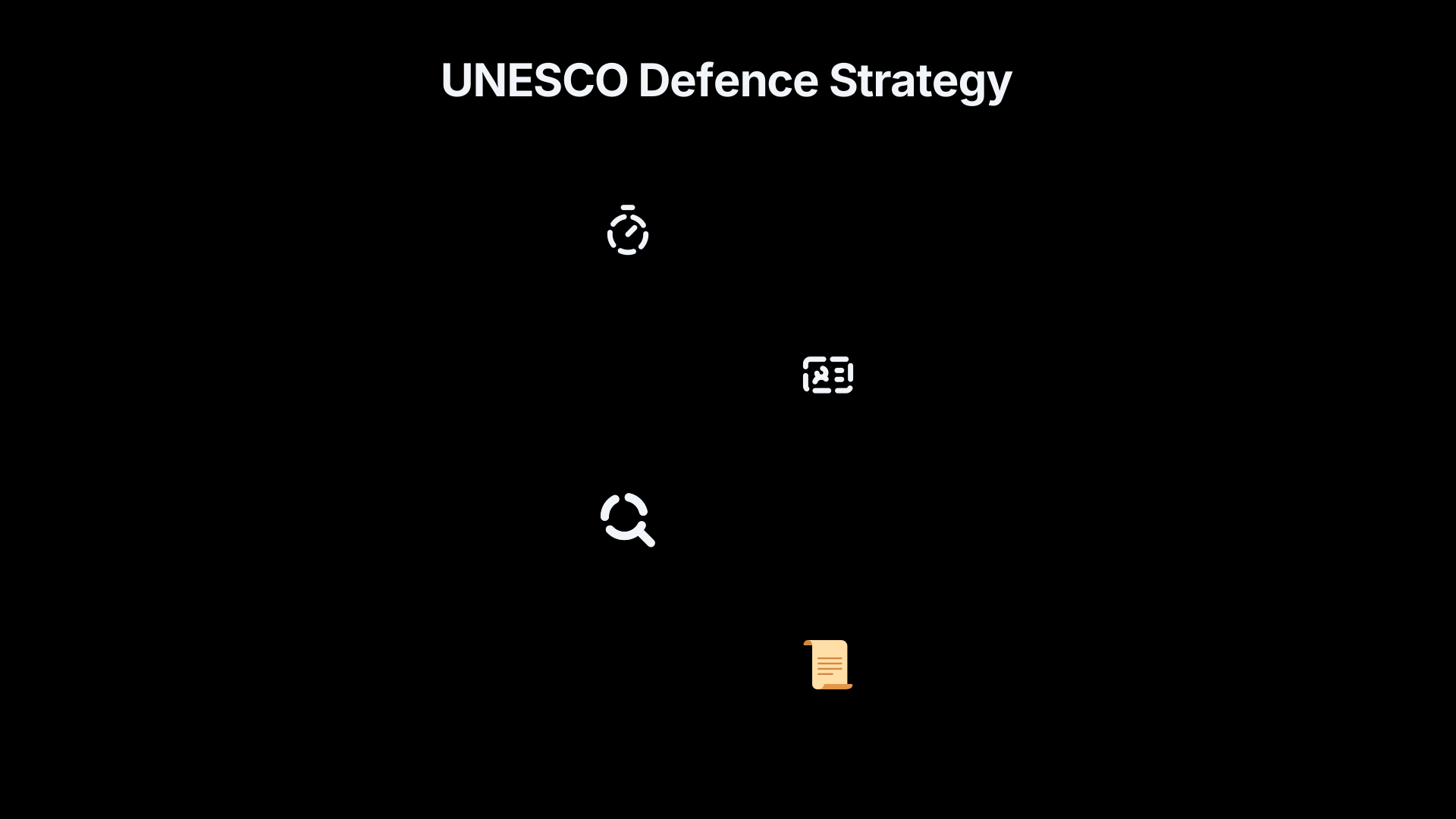
Research on prebunking and inoculation theory suggests that forewarning people about common manipulation techniques can make them more resistant to misleading information later. Instead of teaching every possible myth individually, these approaches teach recognition of recurring tactics such as emotional manipulation, scapegoating, false experts, conspiracy framing, and misleading use of evidence.[Inoculation Science]inoculation.scienceAuthor: University… inoculation theory, designed to build people's resilience to mis- and disinformation.Read more… UNESCO Media literacy works through a similar mechanism. It encourages readers to ask questions before accepting a claim:[unesco.org]unesco.orgMedia and information literacy is first line of defence againstSince its publication in late 2018, Journalism, Fake News and Disinf…
- Who created this information?[libguides.mnsu.edu]libguides.mnsu.eduSource Evaluation: Using Lateral Reading & SIFTMar 26, 2026 — This guide provides information to help you use lateral reading and the SIF…
- What evidence supports it?
- What might the creator gain if it spreads?
- Has it been independently verified?
- Does the headline accurately reflect the evidence?
These questions create a brief pause between exposure and acceptance. That pause can be enough to prevent a myth from becoming established.
Checking Sources Before Trusting Claims
One of the most practical media literacy skills is source evaluation. Many myths survive because people focus on the content of a claim while paying little attention to where it came from.
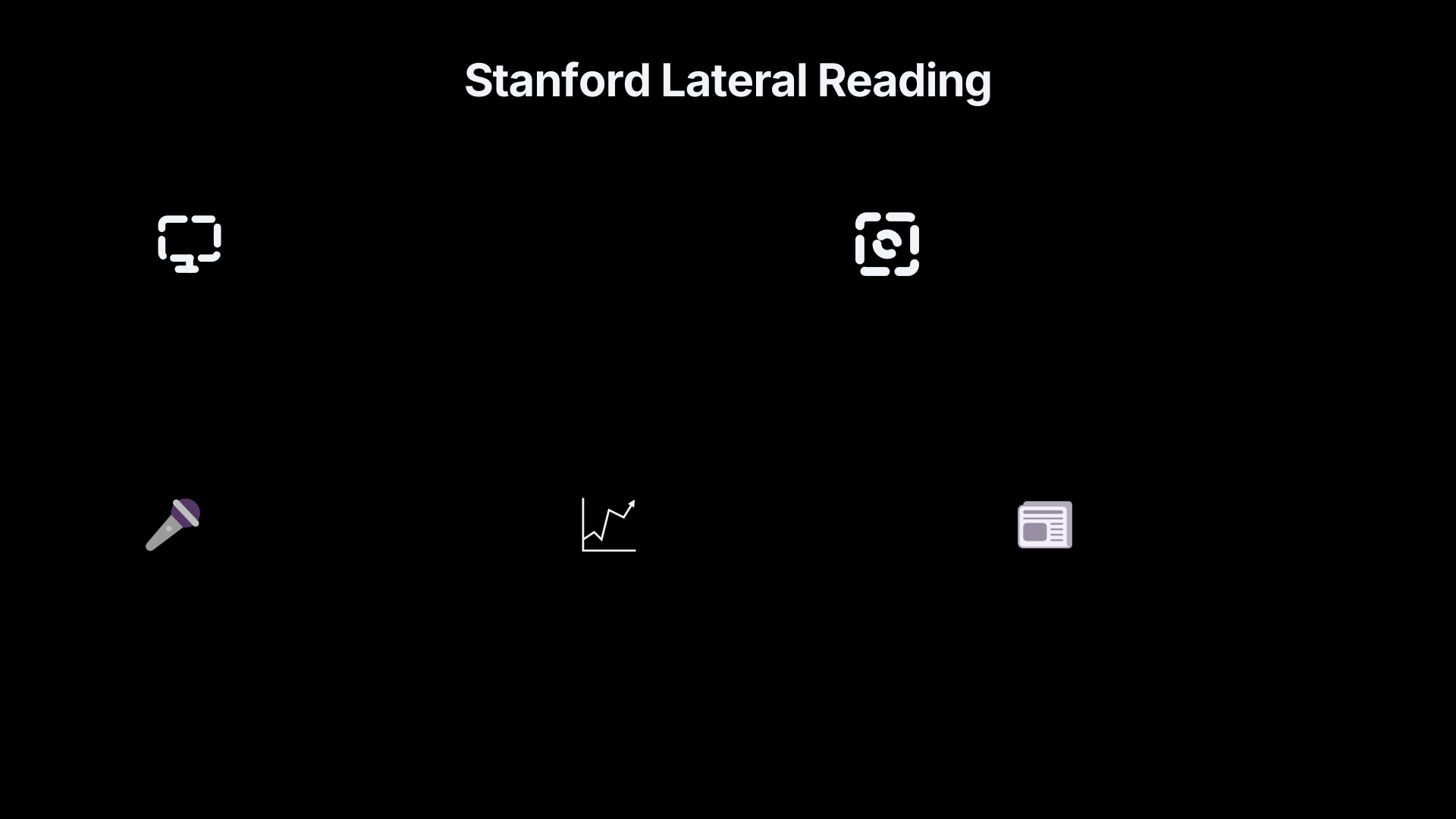
Professional fact-checkers often use a technique known as lateral reading. Instead of staying on a website and evaluating its appearance, they immediately leave the page to investigate the source elsewhere. Research led by Stanford scholars found that professional fact-checkers consistently outperformed students and academics by opening new tabs, searching for independent information, and checking reputation before evaluating content.[SSRN]papers.ssrn.comReading Less and Learning More When Evaluating Digital…by S Wineburg · 2019 · Cited by 79 — Fact checkers read laterally, leaving…
This approach matters because misleading websites frequently imitate signs of credibility:
- Professional design
- Official-sounding names
- Impressive logos
- Selective statistics
- Quoted experts presented without context
Media literacy encourages readers to verify these signals rather than accept them at face value. The source of a claim often reveals more about its reliability than the claim itself.
A related framework known as SIFT encourages readers to:
- Stop before reacting.[facebook.com]facebook.comline community…
- Investigate the source.
- Find better coverage elsewhere.
- Trace claims back to their original context.[guides.lib.uchicago.edu]guides.lib.uchicago.eduHome · The SIFT Method · CRAAP Test · The SMART Check… Literacy for Student Fact-Checkers. eBook by…Read more…[2libguides.mnsu.edu]libguides.mnsu.eduSource Evaluation: Using Lateral Reading & SIFTMar 26, 2026 — This guide provides information to help you use lateral reading and the SIF…
These habits are simple, but they directly target the conditions that allow myths to spread.
Why Emotional Content Deserves Extra Scrutiny
False claims often succeed because they trigger strong emotions before they trigger analysis.
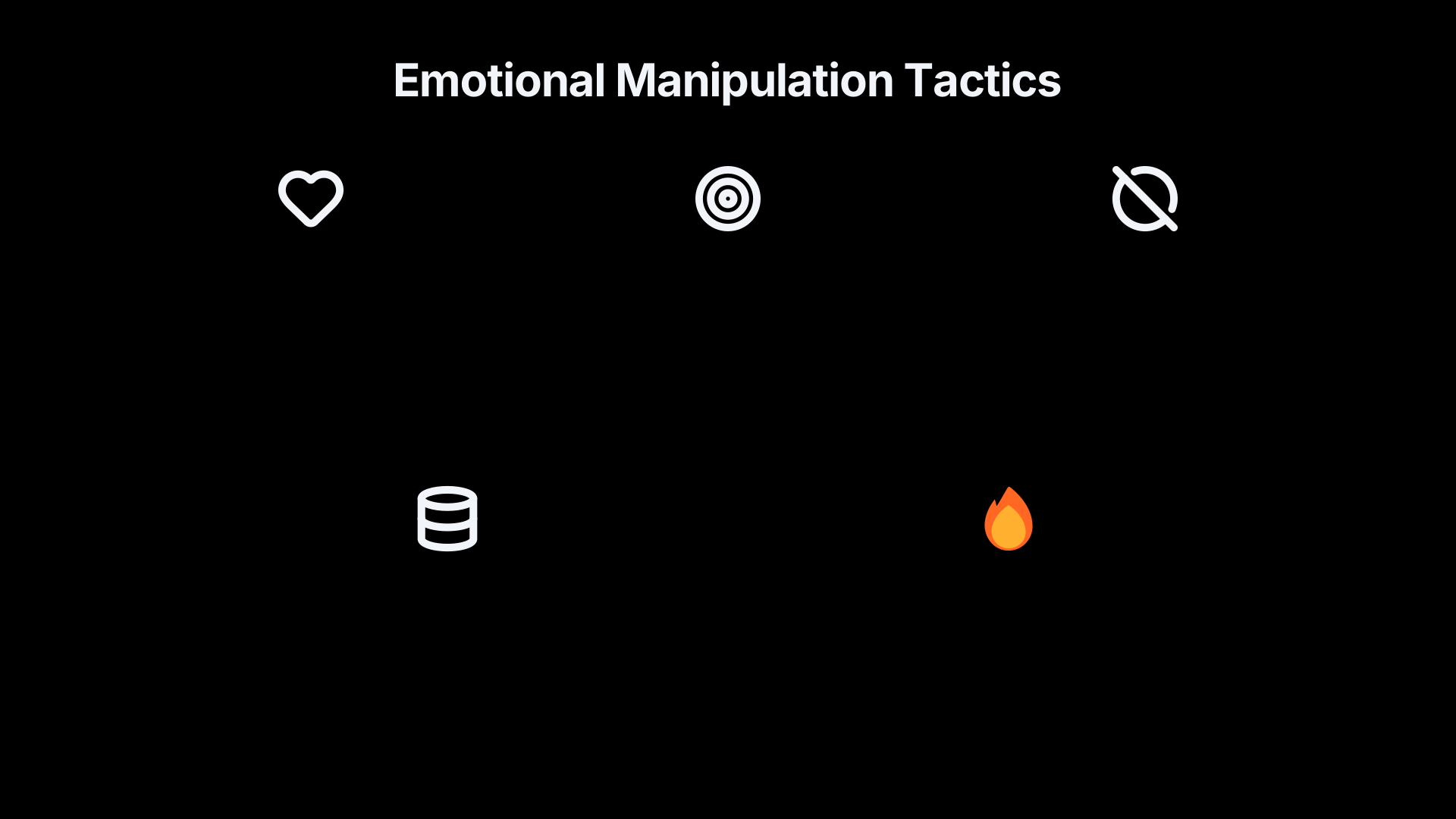
Fear, anger, outrage, disgust, and tribal loyalty can all increase the likelihood that people will share content quickly. A claim that provokes a powerful reaction may feel important regardless of whether it is accurate.
Media literacy does not require suppressing emotions. Instead, it teaches people to recognise when emotional reactions may be influencing judgement.
Useful questions include:
- Am I reacting emotionally before evaluating evidence?
- Does this claim seem designed to provoke outrage?
- Is the language unusually dramatic or absolute?
- Does the content identify a simple villain for a complex problem?
- Would I be sharing this if it supported the opposite side of an issue?
These questions are valuable because manipulation often relies on emotional shortcuts. Prebunking research specifically identifies emotional language and divisive framing as recurring techniques used in misinformation campaigns.[Inoculation Science]inoculation.scienceAuthor: University… inoculation theory, designed to build people's resilience to mis- and disinformation.Read more…[2prebunking.withgoogle.com]prebunking.withgoogle.coms guide was developed for.Read more…
Recognising those patterns does not guarantee perfect judgement, but it reduces the likelihood that emotional responses alone determine what people believe.
Building Better Sharing Habits
Many myths spread not because people deliberately want to mislead others, but because sharing has become fast, effortless, and socially rewarding.
A person may share content because:
- It confirms existing beliefs.
- It appears useful.
- Friends have already shared it.
- It signals group identity.
- It attracts attention or engagement.
Media literacy therefore focuses not only on evaluating information but also on improving sharing behaviour.
Effective habits include:
- Reading beyond headlines.[guides.skylinecollege.edu]guides.skylinecollege.eduLaterally - Evaluating news: Fake News & BeyondJan 28, 2025 — SIFT & PICK · Reading Laterally · 33 Problems with Media · More on News and…
- Checking publication dates.
- Looking for original sources.
- Comparing coverage across multiple outlets.
- Waiting before reposting surprising claims.
- Distinguishing evidence from opinion.
UNESCO’s media literacy initiatives frequently emphasise the importance of verifying information before sharing and treating information consumption as an active rather than passive process.[UNESCO]unesco.orgmedia and information literacy and digital competenciesMedia and Information Literacy and Digital Competencies12 Apr 2025 — Media and Information Literacy (MIL) empowers individuals to d…[UNESCO]unesco.orgCase studies: New MIL skills for audiencesPrebunking is when you pre-emptively warn people that they are about to be exposed to disinform…
These habits may seem small, but misinformation researchers often describe them as forms of information hygiene. Just as handwashing reduces the spread of disease without eliminating it entirely, careful sharing habits reduce the spread of myths without requiring perfect knowledge.[pressbooks.pub]pressbooks.pubWhy Fact-Checking?Introduction to College ResearchFact-checking is a form of information hygiene—it can minimize your own susceptibility to misinformatio…
What the Evidence Says About Media Literacy Programmes
The strongest argument for media literacy is that it appears to be teachable.
Research from the Stanford History Education Group found that relatively short periods of instruction helped students become substantially better at identifying unreliable online sources. The findings challenged the assumption that digital natives automatically possess strong information-evaluation skills simply because they grew up online.[ed.stanford.edu]ed.stanford.eduit doesn t take long learn how spot misinformation online stanford study findsIt doesn't take long to learn how to spot misinformation online…Apr 19, 2022 — There may be new hope for helping young people – and an…
More recent reviews and meta-analyses have also found that media literacy interventions can improve people’s ability to assess the credibility of information and identify misleading content, although effectiveness varies depending on programme design and duration.[Nature]nature.commisinformation: experimental evidence for media literacy… (2024) Can media literacy intervention improve fake news credibility assessm…
Importantly, successful programmes usually focus on practical skills rather than memorising lists of myths. Myths change constantly. Evaluation skills remain useful across topics.
This is why many educators and policy organisations increasingly frame media literacy as a long-term resilience strategy rather than a series of isolated lessons about individual false claims.[UNESCO]unesco.orgUnit 5: Media and Information Literacy and Misinformation11 Apr 2024 — Learning Objectives · Illustrate how to conduct fact-checkin…[UNESCO]unesco.orgstrengthens Media and Information Literacyresilience and reinforcing critical thinking in the face of disinformation, misinformation, and hate speech. Media and Information Litera…
Where Media Literacy Has Limits
Media literacy is valuable, but it is not a complete solution.
People may possess strong evaluation skills yet still accept false information that aligns with their identities, political loyalties, or social groups. Time pressure, information overload, and emotional stress can also reduce careful reasoning.
Another challenge is scale. Teaching media literacy across entire populations requires educational resources, trained instructors, and sustained reinforcement. One-off lessons may help, but long-term habits generally require repeated practice.[arXiv]arxiv.orgShots and Boosters: Exploring the Use of Combined Prebunking Interventions to Raise Critical Thinking and Create Long-Term Protectio…
The changing information environment also creates new difficulties. Synthetic media, sophisticated impersonation, and rapidly evolving online platforms mean that media literacy skills must continually adapt.
For these reasons, media literacy works best alongside other measures such as responsible platform design, transparency about sources, effective fact-checking, and prebunking interventions. It should be viewed as one layer of protection rather than a single cure.
The Core Value of Media Literacy
The most important contribution of media literacy is not that it enables people to identify every false claim. No educational programme can achieve that.
Its value lies in changing default behaviour. Instead of immediately accepting, rejecting, or sharing information, people learn to pause, investigate, compare sources, and consider evidence. That pause interrupts the pathway through which many myths become familiar, trusted, and repeated.
Because myths often gain power through repetition rather than proof, the ability to ask better questions before sharing can prevent false beliefs from becoming established at all. In that sense, media literacy is less about correcting mistakes and more about reducing the chances that those mistakes become myths in the first place.
Amazon book picks
Further Reading
Books and field guides related to How Media Literacy Prevents Myths. Use these as the next step if you want deeper reading beyond the article.
The Skeptics' Guide to the Universe
Explains cognitive biases, misinformation, and evidence-based reasoning.
Calling Bullshit
Teaches practical evaluation of claims, evidence, sources, and misinformation.
Factfulness
Shows how misconceptions arise and how to assess information more accurately.
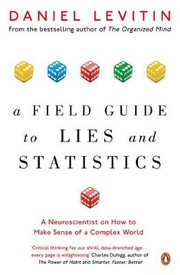
A field guide to lies
First published 2016. Subjects: Critical thinking, Fallacies (Logic), Reasoning, Statistics, Social aspects.
eBay marketplace picks
Marketplace Samples
Example marketplace items related to this page. Use the search link to explore similar finds on eBay.
Endnotes
1.
Source: unesco.org
Link:https://www.unesco.org/en/articles/media-and-information-literacy-first-line-defence-against-disinformation
Source snippet
Media and information literacy is first line of defence againstSince its publication in late 2018, Journalism, Fake News and Disinf...
2.
Source: unesco.org
Title: media and information literacy and digital competencies
Link:https://www.unesco.org/en/articles/media-and-information-literacy-and-digital-competencies
Source snippet
Media and Information Literacy and Digital Competencies12 Apr 2025 — Media and Information Literacy (MIL) empowers individuals to d...
3.
Source: inoculation.science
Link:https://inoculation.science/a-practical-guide-to-prebunking-misinformation/
Source snippet
Author: University... inoculation theory, designed to build people's resilience to mis- and disinformation.Read more...
4.
Source: unesco.org
Link:https://www.unesco.org/mil4teachers/en/node/163
Source snippet
Case studies: New MIL skills for audiencesPrebunking is when you pre-emptively warn people that they are about to be exposed to disinform...
5.
Source: papers.ssrn.com
Link:https://papers.ssrn.com/sol3/papers.cfm?abstract_id=3048994
Source snippet
Reading Less and Learning More When Evaluating Digital...by S Wineburg · 2019 · Cited by 79 — Fact checkers read laterally, leaving...
6.
Source: ed.stanford.edu
Title: it doesn t take long learn how spot misinformation online stanford study finds
Link:https://ed.stanford.edu/news/it-doesn-t-take-long-learn-how-spot-misinformation-online-stanford-study-finds
Source snippet
It doesn't take long to learn how to spot misinformation online...Apr 19, 2022 — There may be new hope for helping young people – and an...
7.
Source: guides.lib.uchicago.edu
Link:https://guides.lib.uchicago.edu/c.php?g=1241077&p=9082322
Source snippet
Home · The [SIFT Method]({{ 'sift-method/' | relative_url }}) · CRAAP Test · The SMART Check... Literacy for Student Fact-Checkers. eBook by...Read more...
8.
Source: libguides.mnsu.edu
Link:https://libguides.mnsu.edu/sourcecredibility/lateralreading
Source snippet
Source Evaluation: Using Lateral Reading & SIFTMar 26, 2026 — This guide provides information to help you use lateral reading and the SIF...
9.
Source: centralmethodist.libguides.com
Title: Lateral Reading and the SIFT Method
Link:https://centralmethodist.libguides.com/fake_news/lateral_reading_and_sift
Source snippet
Fake News & Digital...deepfakes · digital media literacy · disinformation · evaluating sources · fake news · lateral reading · misinform...
10.
Source: prebunking.withgoogle.com
Link:https://prebunking.withgoogle.com/docs/A_Practical_Guide_to_Prebunking_Misinformation.pdf
Source snippet
s guide was developed for.Read more...
11.
Source: unesco.org
Link:https://www.unesco.org/mil4teachers/en/module4/unit5
Source snippet
Unit 5: Media and Information Literacy and Misinformation11 Apr 2024 — Learning Objectives · Illustrate how to conduct fact-checkin...
12.
Source: pressbooks.pub
Title: Why Fact-Checking?
Link:https://pressbooks.pub/introtocollegeresearch/chapter/why-fact-checking/
Source snippet
Introduction to College ResearchFact-checking is a form of information hygiene—it can minimize your own susceptibility to misinformatio...
13.
Source: nature.com
Link:https://www.nature.com/articles/s41599-025-06143-6
Source snippet
misinformation: experimental evidence for media literacy... (2024) Can media literacy intervention improve fake news credibility assessm...
14.
Source: unesco.org
Title: strengthens Media and Information Literacy
Link:https://www.unesco.org/en/articles/unesco-strengthens-media-and-information-literacy-across-ukraine
Source snippet
resilience and reinforcing critical thinking in the face of disinformation, misinformation, and hate speech. Media and Information Litera...
15.
Source: arxiv.org
Link:https://arxiv.org/abs/2505.07486
Source snippet
Shots and Boosters: Exploring the Use of Combined Prebunking Interventions to Raise Critical Thinking and Create Long-Term Protectio...
16.
Source: arxiv.org
Link:https://arxiv.org/abs/2605.17676
17.
Source: unesco.org
Title: Media and Information Literacy (MIL)
Link:https://www.unesco.org/en/media-information-literacy
18.
Source: unesco.org
Title: document 6838
Link:https://www.unesco.org/archives/multimedia/document-6838
Source snippet
Countering Conspiracy Theories with MILNov 30, 2023 — Our aim is to provide clarity on the distinctions between conspiracy theories and d...
19.
Source: unesco.org
Link:https://www.unesco.org/en/articles/unesco-launches-free-online-course-tackle-climate-disinformation-through-media-and-information
Source snippet
literacy skills to counter climate misinformation. Free Online Course to Tackle Climate Disinformation through Media and Information Lite...
20.
Source: unesco.org
Link:https://www.unesco.org/mil4teachers/en/module4
Source snippet
Module 4: Media and Information Literacy Competencies to...Module 4: Media and Information Literacy Competencies to Tackle Misinformatio...
21.
Source: unesco.org
Link:https://www.unesco.org/en/articles/joint-initiative-ministry-information-and-unesco-strengthen-fact-checking-and-combat-misinformation
Source snippet
Joint Initiative by the Ministry of Information and UNESCO to11 Mar 2026 — The initiative contributes to strengthening institutional capa...
22.
Source: unesco.org
Link:https://www.unesco.org/mil4teachers/en/module4/unit3
Source snippet
Unit 3: Media and MisinformationApr 11, 2024 — Module 4: Media and Information Literacy Competencies to Tackle Misinformation, Disinforma...
23.
Source: centralmethodist.libguides.com
Title: prebunking misinformation
Link:https://centralmethodist.libguides.com/fake_news/prebunking_misinformation
Source snippet
News & Digital Media Literacy: Prebunking Misinformationdeepfakes · digital media literacy · disinformation · evaluating sources · fake n...
24.
Source: youtube.com
Title: How to Spot Misinformation Without Losing Your Mind
Link:https://www.youtube.com/watch?v=97JbluMfNng
Source snippet
How to spot misinformation online...
25.
Source: youtube.com
Title: How to spot misinformation online
Link:https://www.youtube.com/watch?v=0LCzu8pEN4M
Source snippet
Nigeria Launches Media Literacy Institute to Combat Fake News...
26.
Source: facebook.com
Link:https://www.facebook.com/unesco/posts/-stop-the-spread-of-disinformation-verify-the-information-before-you-share-toget/794851252690425/
Source snippet
line community...
27.
Source: sift.co.uk
Link:https://www.sift.co.uk/
Source snippet
ney and drive competitive advantage via our best-of-breed content, events...Read more...
28.
Source: facebook.com
Link:https://www.facebook.com/unesco/
Source snippet
unescoUNESCO supports effective literacy practices and promotes dynamic literate societies worldwide. Through its International Literacy...
29.
Source: facebook.com
Link:https://www.facebook.com/unescokathmandu/posts/weve-put-together-the-tools-resources-you-need-to-develop-media-literacy-skills-/4497713753635744/?locale=af_ZA
Source snippet
UNESCO Office in KathmanduThis toolkit provides links to and a few key excerpts from useful resources to help you identify “fake news”—mi...
30.
Source: guides.skylinecollege.edu
Link:https://guides.skylinecollege.edu/fakenews/readinglaterally
Source snippet
Laterally - Evaluating news: Fake News & BeyondJan 28, 2025 — SIFT & PICK · Reading Laterally · 33 Problems with Media · More on News and...
31.
Source: dictionary.cambridge.org
Link:https://dictionary.cambridge.org/dictionary/english/sift
Source snippet
to make a close examination of something: [ T ] The police are carefully sifting the evidence. [ I ] I had to sift through...Read more...
32.
Source: cyberpeace.org
Link:https://www.cyberpeace.org/resources/blogs/unescos-course-on-media-and-information-literacy-combating-misinformation-through-education
Source snippet
UNESCO's Course on Media and Information Literacy6 Jan 2025 — Self-paced, a total of 10 hours, this course covers basics such as concepts...
33.
Source: europeanjournalists.org
Link:https://europeanjournalists.org/blog/2024/12/06/unesco-report-highlights-urgent-need-for-media-literacy-training-for-digital-content-creators-who-report-the-news/
Source snippet
UNESCO report highlights urgent need for media literacy...6 Dec 2024 — This lack of rigour “can be particularly problematic in times of...
34.
Source: youtube.com
Link:https://www.youtube.com/playlist?list=PLWuYED1WVJIOKXxgn99Zxwcw18IDKAeVY
Source snippet
UNESCO Media and Information LiteracyTackling misinformation and disinformation through Media and Information Literacy competencies... M...
35.
Source: projects.uni-foundation.eu
Title: unesco handbook for journalism education and training
Link:https://projects.uni-foundation.eu/erum/unesco-handbook-for-journalism-education-and-training/
Source snippet
Handbook for Journalism Education and Training26 Oct 2020 — The rise of many mis- and disinformation (more commonly known as “fake news”)...
36.
Source: unesco-cdsj.com
Title: inoculations against racist misinformation
Link:https://www.unesco-cdsj.com/publications/resources/inoculations-against-racist-misinformation/
Source snippet
The study drew on online misinformation...Read more...
Additional References
37.
Source: stratcomcoe.org
Link:https://stratcomcoe.org/publications/download/Inoculation-theory-and-Misinformation-FINAL-digital-ISBN-ebbe8.pdf
Source snippet
INOCULATION THEORY AND MISINFORMATIONTo do so, we first discuss how to define “misinformation”, and how it relates to various other commo...
38.
Source: alda-europe.eu
Link:https://www.alda-europe.eu/resources/media-literacy-in-the-age-of-digital-disinformation-challenges-good-practices-and-recommendations/
Source snippet
Media Literacy in the age of digital disinformationThis case study provides insights into combating disinformation through education, res...
39.
Source: theguardian.com
Link:https://www.theguardian.com/guardian-foundation/2024/dec/02/the-guardian-foundation-call-on-the-government-to-embed-news-and-media-literacy-into-the-curriculum
Source snippet
The Foundation's executive director, Kelly Walls, emphasizes the necessity of these skills to combat misinformation and bolster democracy...
40.
Source: cam.ac.uk
Link:https://www.cam.ac.uk/research/news/pre-bunk-tactics-reduce-public-susceptibility-to-covid-19-conspiracies-and-falsehoods-study-finds
Source snippet
'Pre-bunk' tactics reduce public susceptibility to COVID-19...12 May 2021 — “By exposing people to the methods used to produce fake news...
Published: May 2021
41.
Source: podcast.ausha.co
Link:https://podcast.ausha.co/unesco-media-and-information-literacy/tackling-misinformation-and-disinformation-through-media-and-information-literacy-competencies
Source snippet
Media and Information Literacy26 Mar 2024 — Tackling misinformation and disinformation through Media and Information Literacy competencie...
42.
Source: poynter.org
Title: lateral reading the best media literacy tip to vet credible sources
Link:https://www.poynter.org/fact-checking/media-literacy/2023/lateral-reading-the-best-media-literacy-tip-to-vet-credible-sources/
Source snippet
Lateral reading: The best media literacy tip to vet credible...Jul 20, 2023 — We teach people digital media literacy and fact-checking s...
43.
Source: neuroviaxacademy.com
Link:https://neuroviaxacademy.com/lateral-reading-fact-checkers-guide/
Source snippet
The Stanford History Education Group (SHEG) provides free materials for civic online reasoning.Read more...
44.
Source: en.ccunesco.ca
Title: ca Media and Information Literacy:by C Wilson · Cited by 847 —
Link:https://en.ccunesco.ca/-/media/Files/Unesco/Resources/2019/11/MediaAndInformationLiteracy.pdf
Source snippet
Fake News": How Youth Are Navigating Modern Misinformation and Propaganda Online... fake news” has become part of everyday vocabulary wh...
45.
Source: barbarafister.net
Title: lateral reading and information systems in the age of distrust
Link:https://barbarafister.net/libraries/lateral-reading-and-information-systems-in-the-age-of-distrust/
Source snippet
Lateral Reading and Information Systems in the Age of...Sep 22, 2021 — This form of disinformation is a particularly difficult one to co...
46.
Source: facebook.com
Title: Media and information literacy is a critical skill for ALL
Link:https://www.facebook.com/unesco/videos/free-course-by-unesco-and-the-knight-center-for-journalism-in-the-americas/8370362856405991/
Source snippet
So how...Media and information literacy is a critical skill for ALL. So how can Content Creators protect their communities from mis- and...
Topic Tree